




What's Happening?
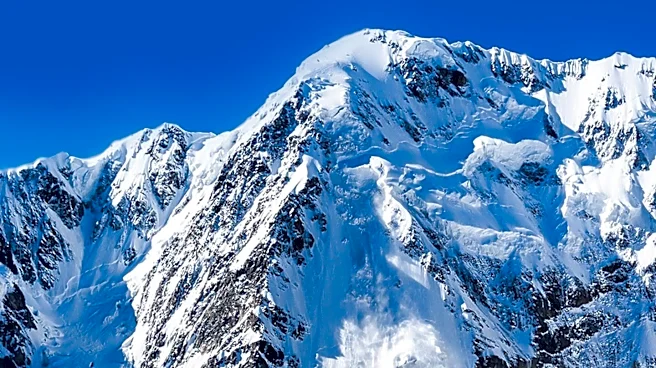
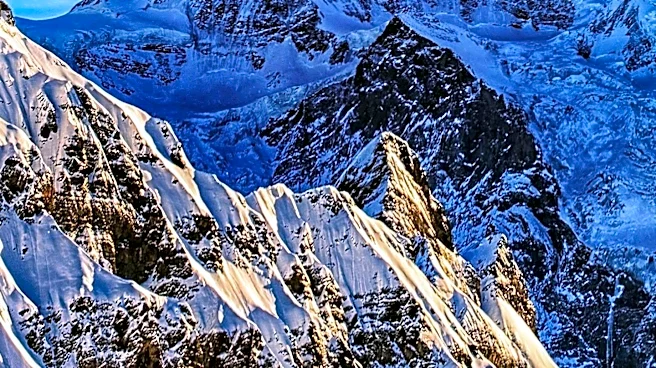
In Pakistan, search teams are conducting ground operations to locate the remains of 10 climbers who perished in an avalanche on Broad Peak, the world's 12th-highest mountain. The climbers, hailing from Nepal, Oman, Pakistan, China, Britain, and the United
States, were caught in the avalanche last Thursday in the Gilgit-Baltistan region. Due to adverse weather conditions, helicopters have been unable to assist in the search and recovery efforts. So far, the remains of eight climbers have been found, and three bodies have been brought down the mountain. The incident is considered one of the deadliest mountaineering disasters in Pakistan, a country known for its challenging climbing conditions due to avalanches, falling ice, and rapidly changing weather.
Why It's Important?
This tragic event underscores the inherent risks associated with high-altitude mountaineering, particularly in regions like northern Pakistan, which are prone to severe weather and geological hazards. The loss of climbers from multiple countries highlights the international nature of mountaineering and the global community's shared interest in these expeditions. The incident also places a spotlight on the safety measures and emergency response capabilities in remote and challenging environments. The ongoing search efforts, despite difficult conditions, demonstrate Pakistan's commitment to international cooperation and the importance of diplomatic relations in coordinating such operations.
What's Next?
As weather conditions improve, it is expected that helicopter support will resume to aid in the recovery of the remaining climbers. The Pakistani government, in collaboration with the embassies of the affected countries, will continue to coordinate the search and recovery operations. This incident may prompt discussions on enhancing safety protocols and emergency response strategies for future expeditions in the region. Additionally, there may be calls for increased international collaboration in mountaineering safety and rescue operations.
Beyond the Headlines
The tragedy on Broad Peak may lead to a reevaluation of the ethical considerations surrounding high-risk mountaineering. Questions about the responsibilities of expedition companies, the preparedness of climbers, and the role of local governments in ensuring climber safety could arise. Furthermore, the incident may influence the cultural perception of mountaineering as a sport, highlighting the balance between adventure and safety.