




What's Happening?
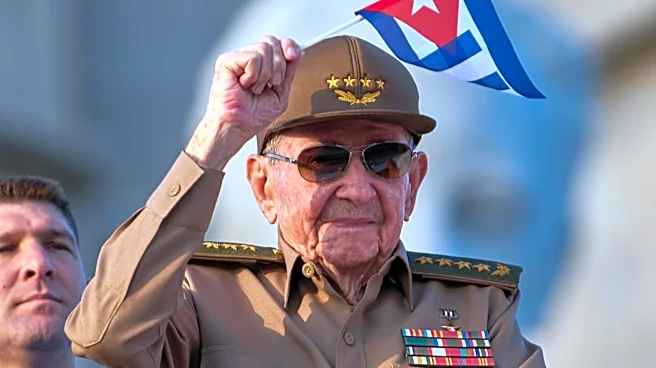
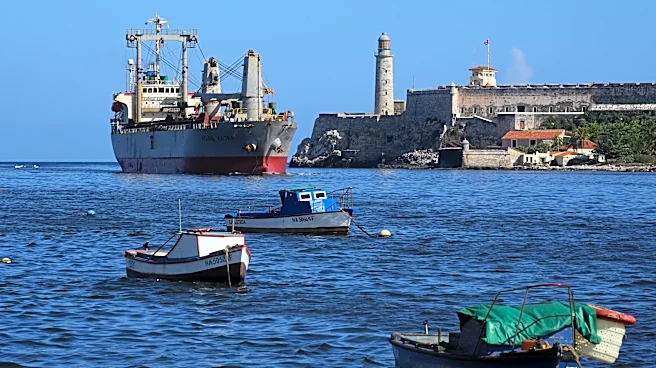
President Trump has issued a message on Cuban Independence Day, marking the 124th anniversary of Cuba's establishment as a republic. In his message, President Trump highlighted the historical struggle of the Cuban people for freedom and self-governance,
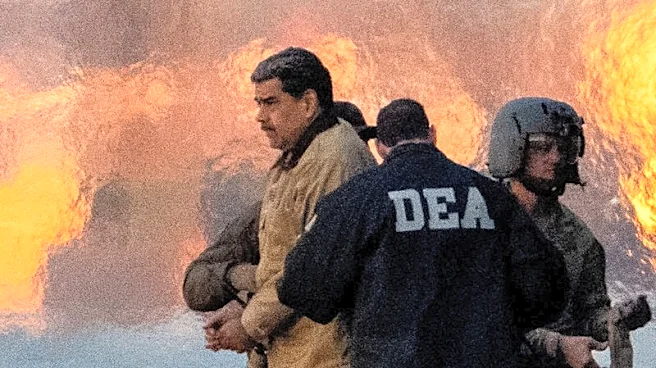
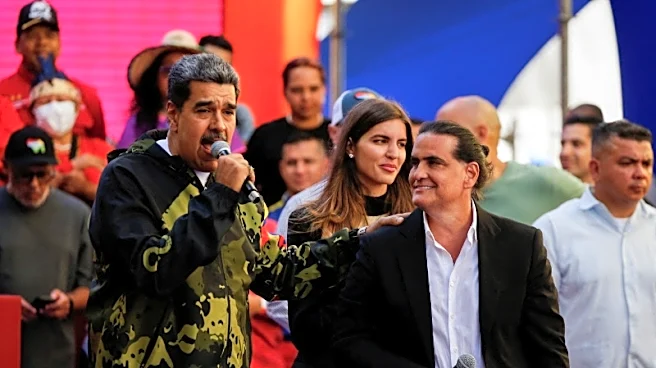
drawing parallels to the American fight for independence. He criticized the current Cuban regime for its oppressive governance, which he described as a betrayal of the nation's founding ideals. President Trump announced new sanctions targeting Cuba's military and intelligence sectors, aiming to cut off financial support and resources that sustain the regime. These actions are part of a broader U.S. strategy to address threats to national security from the region, including the recent capture and extradition of Venezuelan narcoterrorist Nicolas Maduro.
Why It's Important?
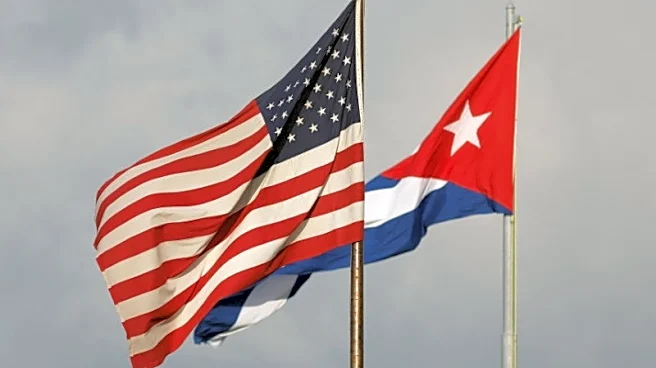
The imposition of sanctions on Cuba by President Trump underscores the U.S. government's stance against regimes perceived as threats to national security and regional stability. By targeting Cuba's military and intelligence apparatus, the U.S. aims to weaken the regime's control and limit its ability to support activities deemed hostile to American interests. This move is significant for U.S.-Cuba relations, as it signals a continued hardline approach towards the Cuban government. The sanctions could have economic implications for Cuba, potentially exacerbating the country's economic challenges. For Cuban-Americans and those advocating for democratic reforms in Cuba, these actions may be seen as a supportive gesture from the U.S. government.
What's Next?
The new sanctions are likely to strain U.S.-Cuba relations further, potentially leading to diplomatic responses from the Cuban government. The international community may also react, with some countries possibly criticizing the U.S. approach while others may support it. The effectiveness of the sanctions in achieving their intended goals will be closely monitored, as will the Cuban regime's response. The U.S. may continue to implement additional measures if deemed necessary to pressure the Cuban government towards democratic reforms. The situation could also influence U.S. domestic politics, particularly among Cuban-American communities and policymakers focused on foreign policy.