








What's Happening?
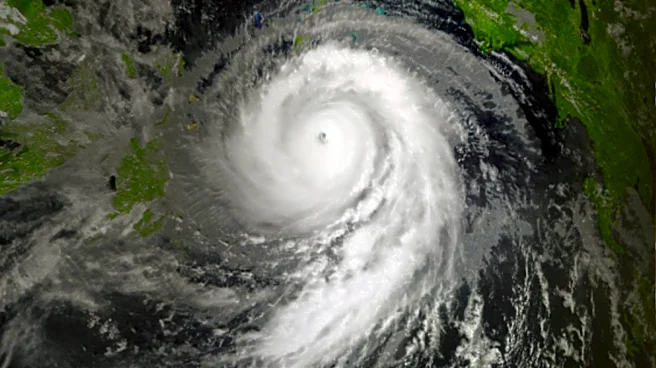
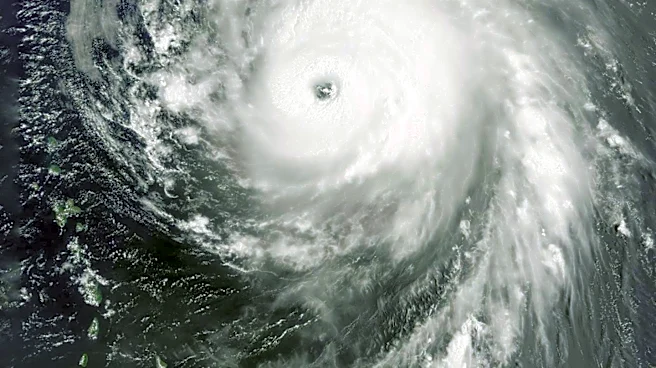
A recent study published in the journal npj Natural Hazards has examined how different definitions of tropical cyclone exposure affect the association with diarrheal disease mortality and morbidity across multiple Asian regions. The research, conducted
by a team of international scientists, utilized data from the Climate Change and Enteric Diseases Research Project (ClimED) to analyze the impact of cyclones on diarrheal diseases in ten Asian regions from 2000 to 2021. The study found that the definitions of cyclone exposure, which included wind-based, rainfall-based, and combined metrics, significantly influenced the perceived risk of diarrheal diseases. The research highlighted that while mortality risks were generally insignificant, morbidity risks varied greatly, with Taiwan showing the highest attributable disease burden. The findings suggest that locally contextualized cyclone definitions could improve public health preparedness and response strategies.
Why It's Important?
The study's findings are crucial for public health planning and disaster preparedness in regions prone to tropical cyclones. By demonstrating the variability in health risks based on different cyclone exposure definitions, the research underscores the need for tailored public health strategies that consider local environmental and infrastructural conditions. This approach could enhance the effectiveness of early warning systems and health interventions, potentially reducing the morbidity associated with cyclones. The study also highlights the importance of integrating contextual exposure measures into public health frameworks, which could lead to more accurate risk assessments and better resource allocation during cyclone events.
What's Next?
The study suggests that further research is needed to refine cyclone exposure definitions and improve the accuracy of health risk assessments. Public health authorities in cyclone-prone regions may consider adopting the study's recommendations to enhance their preparedness and response strategies. This could involve developing region-specific guidelines for cyclone exposure and investing in infrastructure improvements to mitigate the health impacts of cyclones. Additionally, international collaboration and data sharing could play a vital role in advancing the understanding of cyclone-related health risks and improving global public health responses.
Beyond the Headlines
The study also raises important questions about the broader implications of climate change on public health. As climate change is expected to increase the frequency and intensity of tropical cyclones, understanding the health impacts of these events becomes increasingly critical. The research highlights the need for comprehensive climate adaptation strategies that address both immediate and long-term health risks. This includes improving water, sanitation, and hygiene (WASH) infrastructure in vulnerable regions to reduce the risk of disease outbreaks following cyclones.