



What's Happening?
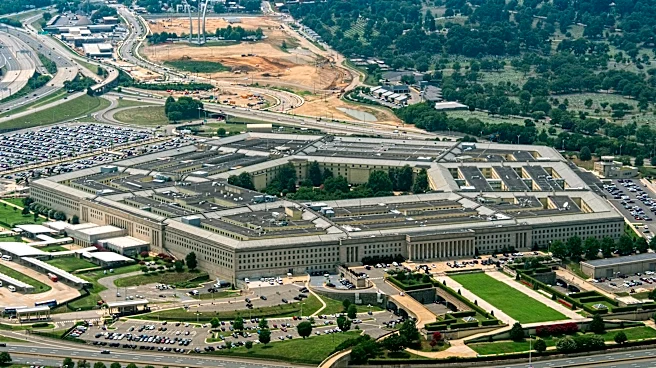
The Pentagon has fired several top staffers at Stars and Stripes, including publisher Max Lederer, editor-in-chief Erik Slavin, and reporter Lara Korte. This action follows a period of growing pressure from Defense Secretary Pete Hegseth's office regarding
the military publication's editorial independence. Slavin stated his dismissal was linked to an interview where he affirmed that censorship would constitute a 'red line' for the publication, which he viewed as upholding the law and government regulations on Stars and Stripes' independence. The firings occurred despite Lederer's earlier announcement of his planned retirement, indicating a forced departure. The Pentagon declined to comment, referring to a memo from Navy Capt. Bill Urban, who was recently appointed 'military deputy to the publisher' and emphasized the need for 'modernization' while asserting commitment to editorial independence.
Why It's Important?
These firings represent a significant blow to press freedoms within the U.S. military and raise serious concerns about the editorial independence of Stars and Stripes, a publication with a long history of independent reporting. The intervention by the Pentagon leadership, particularly Defense Secretary Hegseth, suggests an attempt to control the narrative and potentially suppress reporting that might be deemed critical or unfavorable to the military establishment. This could undermine the credibility of Stars and Stripes among service members and the public, who rely on it for unbiased news. The incident also highlights the delicate balance between military oversight and journalistic autonomy, especially for a publication partly funded by the Pentagon but designed to operate independently. Advocacy groups have condemned the firings as an 'un-American attack on our free press,' emphasizing the importance of a free press for a democratic society and for service members who deserve independent reporting.
What's Next?
The firings are likely to intensify the debate surrounding press freedom within the military and the role of Stars and Stripes. Journalism advocacy groups and Democratic senators have already voiced strong objections, and further scrutiny of the Pentagon's actions is anticipated. The lawsuit filed by former ombudsman Jacqueline Smith, asserting violations of her First Amendment rights due to alleged attempts to control editorial content, remains pending and could gain more prominence. The new leadership under Navy Capt. Bill Urban will face the challenge of rebuilding trust and demonstrating genuine commitment to editorial independence, despite the recent dismissals. There may be ongoing discussions and potential legislative efforts to safeguard the independence of military media outlets in the future.
Beyond the Headlines
This event transcends a simple personnel change; it touches upon fundamental principles of democracy and the role of a free press in holding powerful institutions accountable. The pressure exerted on Stars and Stripes reflects a broader trend of skepticism towards independent media and attempts to manage information, which can have profound implications for public discourse and transparency. For service members, the loss of an independent news source could mean a diminished ability to access unfiltered information about their command, policies, and the broader context of their service. This situation could also set a precedent for how other government-funded media entities are treated, potentially leading to a chilling effect on critical reporting. The incident underscores the continuous struggle to maintain journalistic integrity in environments where institutional interests may conflict with the public's right to know.