
What's Happening?
The increasing demand for electricity, driven by artificial intelligence and data centers, is straining the U.S. power grid. Data centers are projected to account for nearly half of all demand growth in the U.S. by 2030. Despite investments in renewable
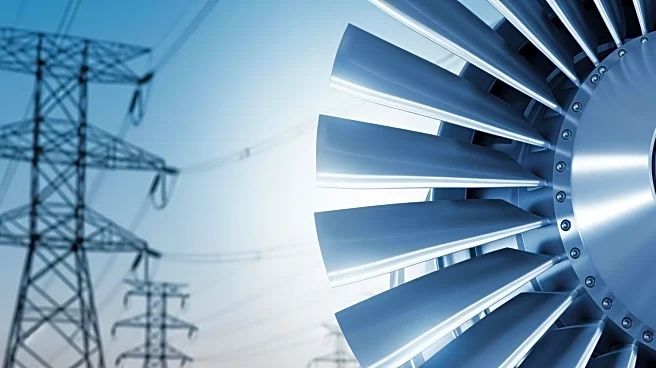
energy, the grid relies heavily on aging thermal generation units, which are prone to forced outages due to degradation. Maintaining the reliability of these units is essential to ensure grid stability and prevent costly blackouts. Strategies such as targeted maintenance and protective technologies are being employed to preserve the integrity of boilers and turbines, which are critical components of the power generation infrastructure.
Why It's Important?
The reliability of prime movers is vital for maintaining grid stability as electricity demand continues to rise. Forced outages can disrupt industries, healthcare, and essential services, highlighting the vulnerability of the grid. By improving the reliability of existing assets, operators can reduce the frequency of outages, stabilize reserve margins, and enhance market stability. This is particularly important as new generation and transmission capacity cannot be built quickly enough to meet demand. The focus on maintaining existing infrastructure is a strategic necessity to ensure continuous power supply and support economic growth.
What's Next?
Operators are expected to continue investing in maintenance and protective technologies to extend the lifespan of existing power generation assets. This includes implementing advanced diagnostic approaches to detect early signs of degradation and prevent outages. As demand for electricity grows, the ability to maintain reliable power generation will be crucial for grid stability and economic resilience. The industry may also see increased collaboration between technology providers and power operators to develop innovative solutions for grid management.