



What's Happening?
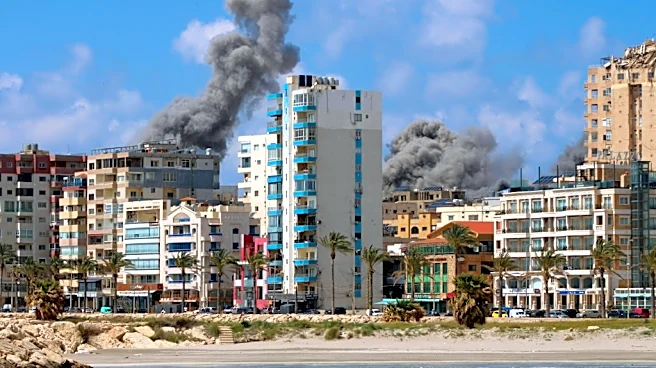
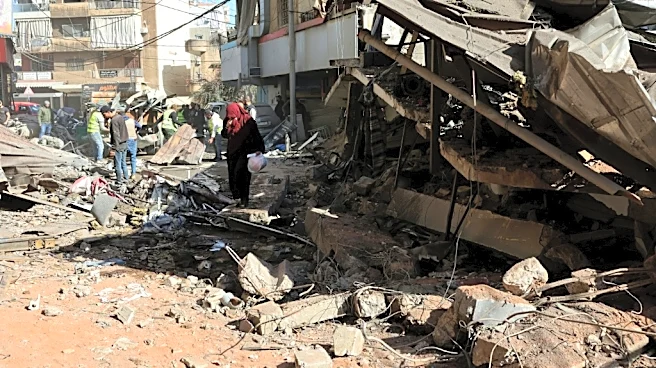
President Trump has declared that US military forces, including ships, aircraft, and personnel, will remain stationed in and around Iran until Tehran fully complies with a ceasefire agreement. This announcement was made via Trump's Truth Social account,
where he emphasized the readiness of US forces to engage in military action if the agreement is breached. The ceasefire, brokered by Pakistan, aims to halt hostilities and ensure the Strait of Hormuz remains open for commercial shipping. However, tensions remain high as Iran and the US have differing views on Iran's nuclear program, with Trump asserting that Iran agreed to cease uranium enrichment, while Iranian officials claim otherwise.
Why It's Important?
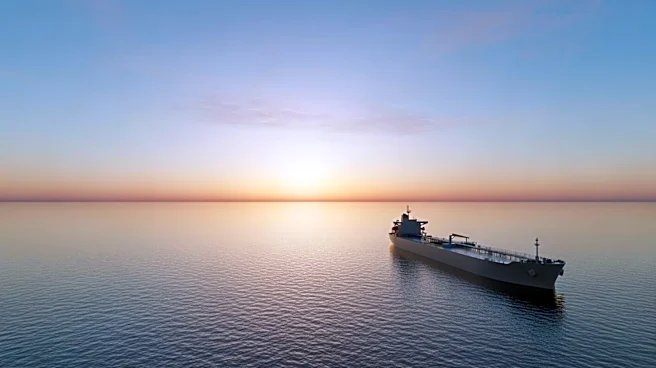
The continued US military presence near Iran underscores the fragile nature of the ceasefire and the broader geopolitical tensions in the region. This situation has significant implications for global energy markets, as the Strait of Hormuz is a critical chokepoint for oil transportation. The potential for renewed conflict could disrupt energy supplies and impact global oil prices. Additionally, the US's firm stance may influence diplomatic relations with other countries involved in the region, including Israel and NATO allies, who may be affected by the strategic military decisions made by the US.
What's Next?
The situation remains fluid, with the possibility of military engagement if Iran fails to comply with the agreement. The US military is reportedly preparing for potential action, while diplomatic efforts continue to solidify the ceasefire. The international community will be closely monitoring developments, as any escalation could have widespread consequences. Stakeholders, including political leaders and energy market participants, will need to navigate the uncertainties and potential disruptions that may arise from this ongoing conflict.