






What's Happening?
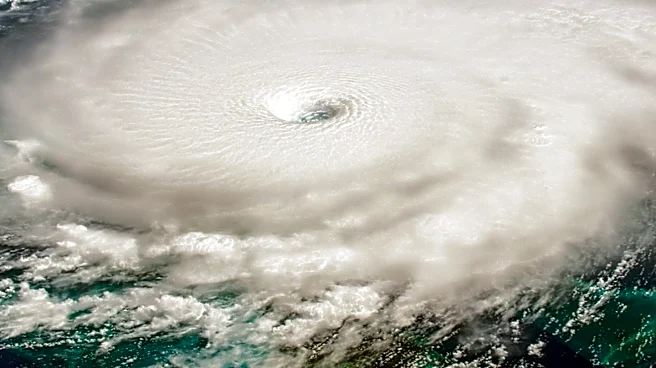
Residents of U.S. territories in the western Pacific are preparing for the potential impact of Super Typhoon Bavi, which is expected to hit the region soon. This comes just months after the area was devastated by Super Typhoon Sinlaku, which caused significant
damage and left many without power. The Northern Mariana Islands, still recovering from Sinlaku, are particularly vulnerable. Bavi is forecasted to become a super typhoon with winds exceeding 150 mph, posing a severe threat to the islands. Preparations are underway, with residents securing their homes and stocking up on essentials. The National Weather Service on Guam is closely monitoring the storm's path, hoping it might change course to minimize impact.
Why It's Important?
The potential impact of Super Typhoon Bavi is significant as it threatens to exacerbate the ongoing recovery efforts in the Northern Mariana Islands. The region is still grappling with the aftermath of Super Typhoon Sinlaku, which left many residents in temporary shelters and without full access to utilities. The arrival of another powerful storm could delay recovery efforts and strain resources further. Additionally, the frequent occurrence of such severe weather events highlights the increasing vulnerability of these territories to climate-related disasters, raising concerns about long-term resilience and the need for improved infrastructure and emergency preparedness.
What's Next?
As Super Typhoon Bavi approaches, local authorities and residents are bracing for its impact. The focus is on ensuring that emergency services are ready to respond and that shelters are prepared to accommodate those who may be displaced. The storm's trajectory will be closely monitored, and any changes in its path could alter the level of preparedness required. In the longer term, there may be discussions on enhancing infrastructure resilience and improving disaster response strategies to better cope with future storms.