

What's Happening?
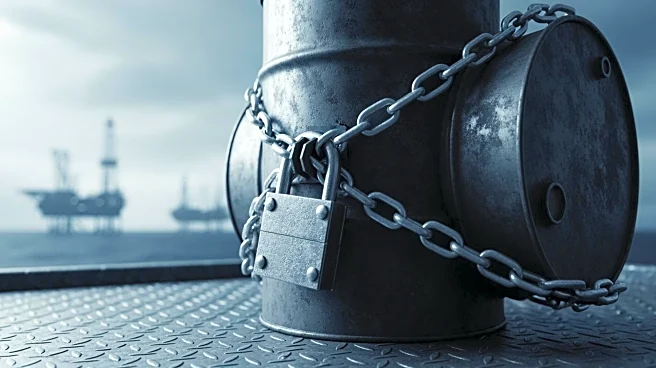
The White House has issued a directive for U.S. forces to focus on enforcing a 'quarantine' of Venezuelan oil over the next two months. This strategy is intended to apply economic pressure rather than resorting to military action. The move is part of a broader
effort to influence the Venezuelan government, led by Nicolás Maduro, by restricting its oil exports. The decision underscores the administration's preference for economic sanctions as a tool of foreign policy, aiming to weaken the Venezuelan economy and pressure the government into compliance with international demands.
Why It's Important?
This action is significant as it highlights the U.S. government's ongoing strategy to use economic measures to influence foreign governments, particularly those it views as adversarial. By targeting Venezuela's oil exports, the U.S. aims to cut off a major source of revenue for the Maduro administration, potentially destabilizing its economic base. This could have broader implications for international oil markets, potentially affecting global oil prices and supply chains. Additionally, it reflects the U.S.'s commitment to using non-military means to achieve its foreign policy objectives, which could influence future diplomatic strategies.
What's Next?
The enforcement of the oil quarantine is likely to provoke reactions from various stakeholders, including the Venezuelan government, which may seek to circumvent the restrictions through alternative trade routes or alliances. Internationally, countries with vested interests in Venezuelan oil may respond diplomatically or economically. The situation could also lead to increased tensions between the U.S. and countries that support the Maduro regime. Monitoring the effectiveness of the quarantine and its impact on Venezuela's economy will be crucial in assessing the success of this strategy.