


What's Happening?
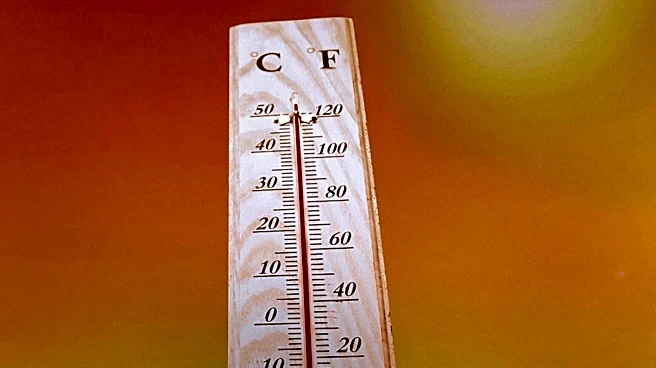
The United Nations weather agency has released a report indicating that 'exceptional' global temperatures are projected to continue through the end of the year. According to the World Meteorological Organization (WMO), 2026 is on track to be one of the four
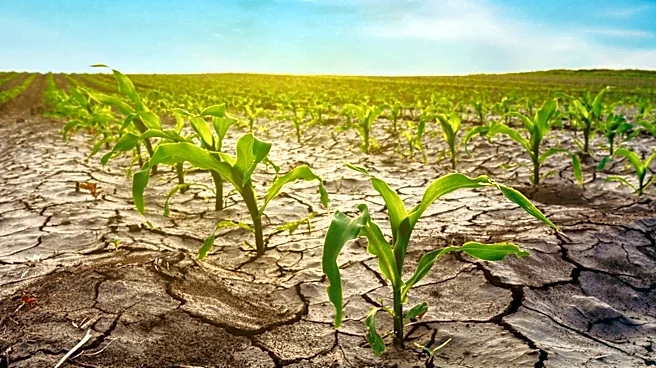
warmest years ever recorded, with global average surface temperatures from January to September approximately 1.47 degrees Celsius above pre-industrial levels. The WMO further notes that the past 12 years have individually been the warmest on record, with the last four years topping this list. WMO Secretary-General Celeste Saulo explained that the El Niño phenomenon, which has been developing since August, is contributing to this warming by releasing heat from the ocean, which is currently the warmest ever measured. This warming effect is expected to intensify through December, with a very strong El Niño anticipated to lead to more extreme weather events into 2027. The report also highlights that approximately 90 percent of the excess heat trapped by greenhouse gases is absorbed by the ocean, while glaciers continue to recede. These elevated temperatures are increasing risks for agriculture, particularly in regions facing food insecurity and relying on rainfall for farming. The World Health Organization has classified the expected health impacts of El Niño as a health emergency.
Why It's Important?
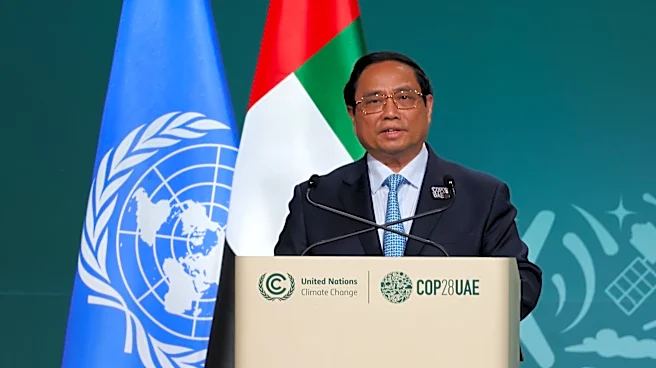
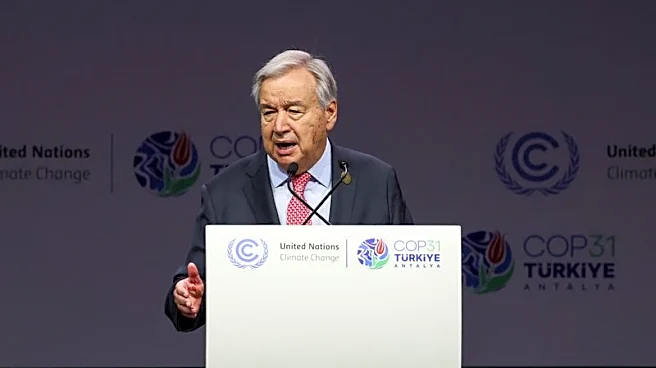
The persistence of 'exceptional' global temperatures carries significant implications for various sectors, including agriculture, public health, and international climate policy. For agriculture, the heightened temperatures and associated extreme weather events, such as altered rainfall patterns, pose a direct threat to crop yields and food security, especially in vulnerable regions. This could lead to increased food prices and greater instability in global food markets. From a public health perspective, the World Health Organization's classification of El Niño's health impacts as an emergency underscores the potential for widespread health crises, including heat-related illnesses, vector-borne diseases, and malnutrition due to food shortages. Economically, these climate impacts can disrupt supply chains, damage infrastructure, and increase the financial burden on governments for disaster relief and adaptation measures. The report also serves as a critical backdrop for international climate negotiations, such as COP31, where countries like the Philippines are advocating for stronger commitments, predictable climate finance, and greater support for nations most affected by climate change. The scientific data reinforces the urgency for global cooperation and investment in climate resilience strategies to mitigate these widespread impacts.
What's Next?
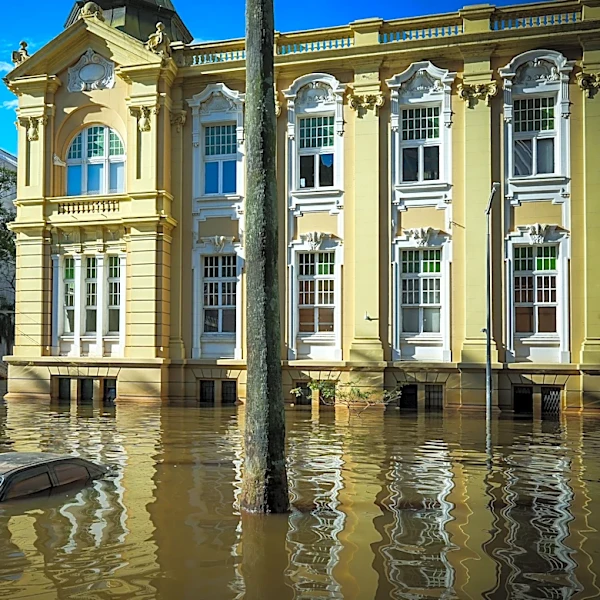
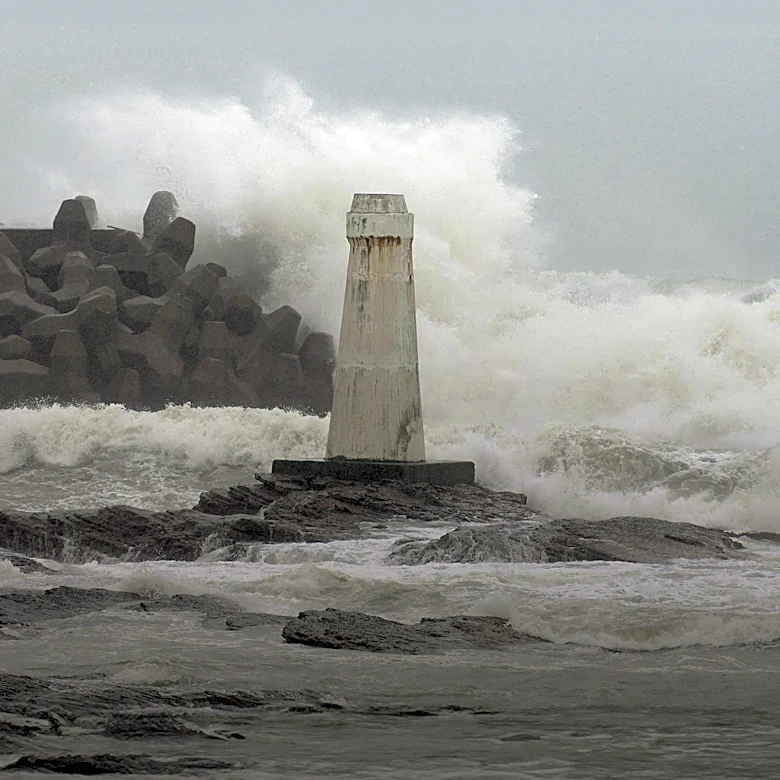
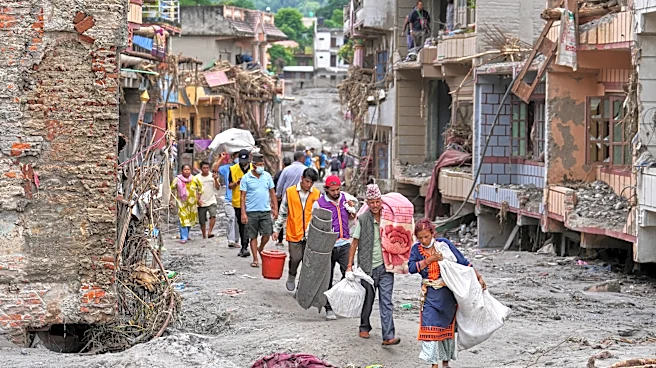
The strong El Niño phenomenon is expected to continue pushing global temperatures higher through December and unleash more extreme weather into 2027, indicating a prolonged period of climate-related challenges. This forecast will likely intensify discussions and demands at international forums like COP31, where the Philippines, for instance, is already pushing for stronger implementation of existing climate commitments, more predictable climate finance, and direct access to loss-and-damage support for developing nations. Governments and international organizations will need to prepare for increased humanitarian aid, disaster response, and public health interventions as the impacts of extreme weather events become more frequent and severe. Agricultural sectors globally will face continued pressure to adapt to changing climate conditions, potentially accelerating the adoption of climate-resilient farming practices and technologies. Furthermore, the ongoing warming trend and its consequences are expected to fuel further scientific research into climate change mitigation and adaptation strategies, as well as prompt policy reviews and updates at national and international levels to address the escalating climate crisis.
Beyond the Headlines
The sustained 'exceptional' global temperatures highlight a deeper systemic challenge beyond immediate weather events: the accelerating pace of climate change and its profound implications for planetary systems. The WMO's data, showing the past 12 years as the warmest on record, suggests a long-term shift rather than a temporary anomaly, raising ethical questions about intergenerational equity and the responsibility of current generations to future ones. The disproportionate impact on agriculture and food security in vulnerable regions also underscores issues of global inequality, as those least responsible for climate change often bear its heaviest burdens. Legally, the increasing frequency and intensity of extreme weather events could lead to more climate-related litigation against governments and corporations for their roles in contributing to or failing to mitigate climate change. Culturally, these persistent warnings may foster a greater sense of urgency and collective action, potentially shifting societal norms towards more sustainable practices and consumption patterns. The classification of El Niño's health impacts as an emergency by the WHO also signals a growing recognition of climate change as a fundamental public health crisis, demanding integrated solutions that bridge environmental and health policies.