







What's Happening?
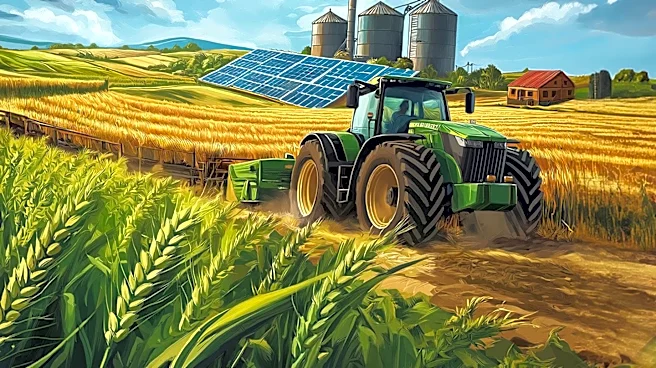
Modern agriculture, which has sustained global food supplies for decades, is facing increasing pressure from climate change, soil degradation, and rising operational costs. In response, the sector is moving towards more sustainable farming practices.
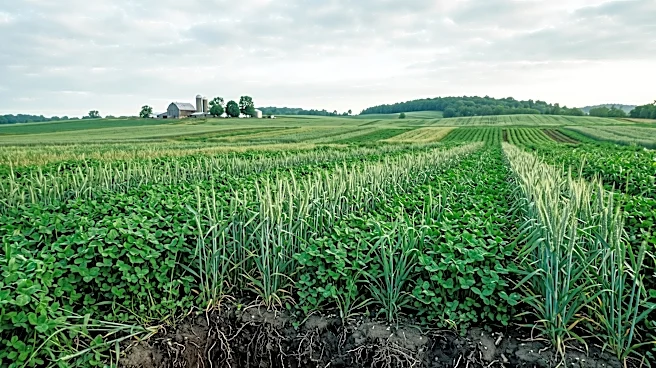
Experts at Newsweek's The Future of Food & Agriculture Forum highlighted this transition, with Allison Lin, Global Vice President of Healthy Planet and Chief Circularity Officer at Mars, predicting that within five to ten years, sustainable methods will become standard agricultural practice rather than a specialized category. Companies like Tesseract Ventures are contributing to this shift by offering advanced solutions, including drone technology and specialized software, to enhance farming efficiency and productivity. The focus is on adopting practices that not only maintain necessary crop yields but also protect environmental resources and ensure the economic viability of farmers. Regenerative agriculture is specifically noted for its potential to achieve both high yields and improved farmer incomes, indicating a comprehensive approach to the industry's future.
Why It's Important?
The shift towards sustainable agriculture is crucial for the long-term resilience of the U.S. food supply and the economic stability of its farming communities. Traditional industrial farming methods, while productive, have contributed to environmental issues such as soil erosion and greenhouse gas emissions, making them increasingly unsustainable in the face of climate change. By adopting regenerative and climate-smart agricultural practices, the U.S. can mitigate these environmental impacts, preserve natural resources, and enhance biodiversity. This transition also offers economic benefits to farmers by potentially reducing reliance on costly inputs like synthetic fertilizers and pesticides, while improving soil health and crop resilience against extreme weather events. Consumers stand to benefit from a more secure and environmentally responsible food system. The integration of technology, such as that offered by Tesseract Ventures, is vital for optimizing these new practices, ensuring that sustainability goals are met without compromising productivity.
What's Next?
The agricultural sector is expected to continue its rapid evolution towards sustainability, driven by both environmental necessity and economic incentives. Over the next five to ten years, the distinction between 'conventional' and 'sustainable' agriculture is projected to diminish as sustainable practices become the norm. This will likely involve increased investment in agricultural technology, such as precision farming tools, AI-driven analytics, and advanced drone applications, to optimize resource use and monitor environmental health. Policy frameworks may also evolve to support farmers in adopting these new methods, potentially through subsidies, incentives for regenerative practices, and research funding. Major food corporations, like Mars, are already integrating sustainability into their core business models, which will further drive demand for sustainably sourced ingredients and encourage broader adoption across the supply chain. Collaboration between technology providers, agricultural businesses, and policymakers will be key to accelerating this transition and ensuring its widespread success.
Beyond the Headlines
The move towards sustainable agriculture represents more than just a change in farming techniques; it signifies a fundamental re-evaluation of humanity's relationship with the environment and food production. This shift has profound ethical implications, emphasizing stewardship of the land and intergenerational equity, ensuring that future generations have access to fertile soil and clean water. Legally, it may lead to new regulations concerning land use, water management, and chemical inputs, potentially reshaping agricultural policy and trade agreements. Culturally, it could foster a greater appreciation for local food systems, traditional farming knowledge, and the role of farmers as environmental stewards. The long-term impact could include a more decentralized and resilient food system, less vulnerable to global supply chain disruptions and climate shocks, ultimately contributing to greater food security and public health. This transformation also highlights the critical role of innovation in addressing complex global challenges, demonstrating how technology can be harnessed for ecological and economic benefit.