





What's Happening?
The New York City Rent Guidelines Board (RGB) has voted to implement a 0% increase for both one-year and two-year leases on approximately one million rent-stabilized apartments. This decision, effective for leases starting between October 1, 2026, and September
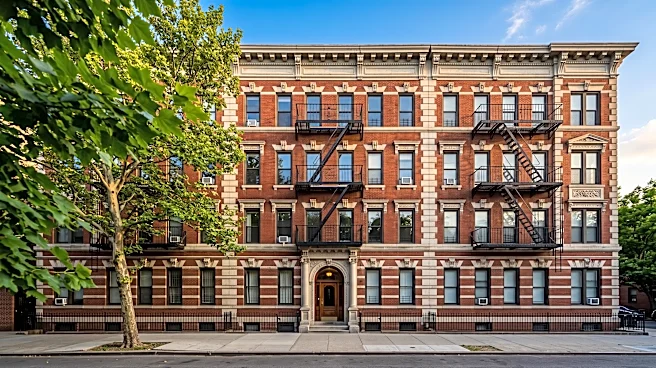
30, 2027, marks the first time in the board's history that a two-year lease increase has been frozen. Rent stabilization in New York is a form of rent regulation that limits how much a landlord can raise rent, guarantees lease renewal rights, and restricts evictions to legally specified reasons. It primarily covers buildings with six or more units built before 1974, as well as newer buildings that received certain tax benefits. The system operates under a declared housing emergency, which is renewed based on the city's rental vacancy rate, currently at 1.41%. While the annual guideline is frozen, rents can still increase through state-approved Major Capital Improvements (MCIs) and Individual Apartment Improvements (IAIs). The 2019 Housing Stability and Tenant Protection Act (HSTPA) eliminated vacancy bonuses and high-rent vacancy deregulation, meaning regulated rents now carry over to new tenants.
Why It's Important?
This rent freeze is a significant development for approximately 2.4 million New Yorkers living in stabilized homes, offering them financial stability and protection against displacement in a tight housing market. The decision reflects a broader effort to address housing affordability, particularly as rental cost burdens reach new highs, with 49% of renters nationwide being cost-burdened. For tenants, the freeze provides predictable housing costs, allowing families to plan and maintain stability. However, critics argue that such freezes can strain landlords, especially those managing older buildings, as operating costs like taxes, insurance, and fuel continue to rise. The 2019 limits on MCIs and IAIs have already reduced funds available for major repairs, potentially leading to deferred maintenance. The policy also highlights a fundamental difference between New York's rent stabilization and systems in other states like California, Oregon, and Washington, where landlords can reset rents to market rates between tenants, a practice known as 'vacancy decontrol.'
What's Next?
The current rent freeze will apply to leases commencing within the specified one-year window. The Rent Guidelines Board will conduct its annual research and public hearings in the spring of 2027 to determine the guidelines for the subsequent year. Stakeholders, including tenant advocates and property owners, will closely monitor building-level data and the economic impact of the freeze in anticipation of the next vote. The legal framework requiring a housing emergency declaration to maintain rent stabilization means another determination will be due before April 1, 2027, based on the next Housing and Vacancy Survey. Given the persistently low vacancy rate, a renewal of the emergency declaration is widely expected. Landlords will likely continue to focus on lawful avenues for rent increases, such as approved MCIs and IAIs, which can still apply even during a freeze year. Tenants are advised to confirm their lease start dates and understand how any additional charges are calculated.
Beyond the Headlines
The New York City rent freeze underscores the ongoing national debate about housing affordability and the effectiveness of rent regulation policies. While providing immediate relief to tenants, the long-term implications for housing supply and maintenance are complex. The policy's 'vacancy control' aspect, where regulated rents carry over to new tenants, distinguishes it from 'vacancy decontrol' models in other states and is central to its impact on the rental market. This approach aims to prevent the erosion of affordable housing stock but may disincentivize investment in existing properties. The political dynamics surrounding rent regulation are also evident, with the RGB's vote following Mayor Zohran Mamdani's 'freeze the rent' campaign pledge. The tension between tenant protection and property owner viability will continue to shape housing policy discussions, highlighting the need for balanced solutions that address both affordability and the sustainability of the housing supply.