
What's Happening?
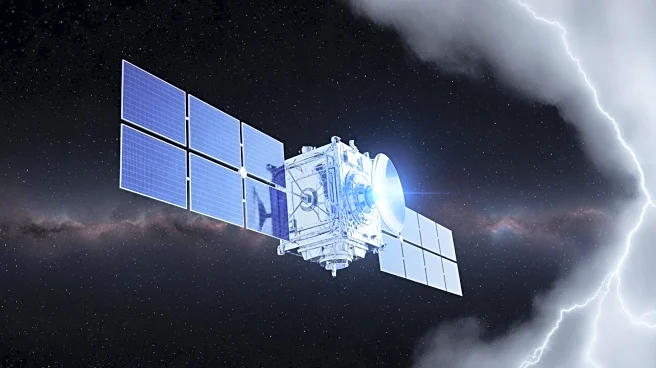
The U.S. Space Force is preparing to launch its ninth third-generation Global Positioning System (GPS) satellite into medium Earth orbit using a SpaceX Falcon 9 rocket. The mission, named GPS 3-9, involves
deploying the GPS 3 Space Vehicle 09 (SV09) equipped with M-Code technology, which enhances accuracy and resistance to jamming. The launch, initially scheduled for January 25, was postponed due to weather concerns and is now set for January 26 from Cape Canaveral Space Force Station. The mission is part of the National Security Space Launch program, with SpaceX and United Launch Alliance (ULA) sharing responsibilities for launching GPS satellites.
Why It's Important?
The deployment of the GPS 3-9 satellite is crucial for maintaining and enhancing the U.S. military's navigation and timing capabilities. The M-Code technology provides improved accuracy and security, which are vital for military operations. The decision to switch the launch from a ULA Vulcan rocket to a SpaceX Falcon 9 highlights the flexibility and adaptability of the U.S. Space Force in managing its satellite launch schedule. This mission also underscores the strategic importance of maintaining a robust and reliable GPS infrastructure for national security and global positioning services.
What's Next?
Following the launch, the GPS 3-9 satellite will undergo a series of tests to ensure its functionality and integration into the existing GPS constellation. The U.S. Space Force will continue to monitor weather conditions closely to ensure a successful launch and recovery of the Falcon 9 booster. Future launches will involve additional GPS satellites, with both SpaceX and ULA playing key roles in deploying these critical assets. The ongoing collaboration between the U.S. Space Force and commercial launch providers is expected to continue, with a focus on enhancing the capabilities and resilience of the GPS network.