



What's Happening?
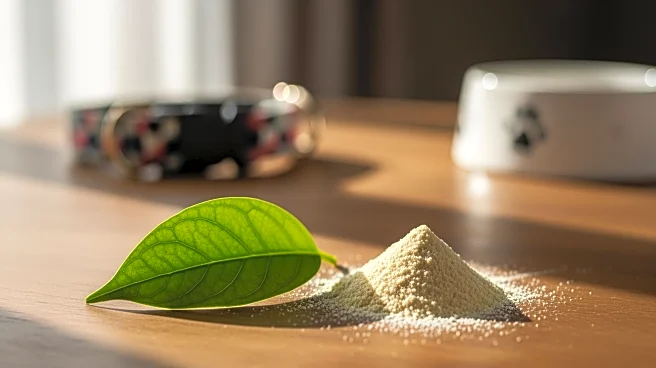
A recent investigation by Consumer Reports has revealed that many popular protein powders contain elevated levels of lead, raising concerns about their safety. The report found that more than two-thirds of the protein powders tested had lead levels significantly
higher than what is considered safe for daily exposure. This finding is particularly concerning for vulnerable groups such as children and pregnant women, as lead can accumulate in the body over time. The investigation questions the necessity of protein powders, suggesting that most adults can meet their protein needs through regular foods like chicken, beans, and dairy, which also provide additional nutrients. In a related health topic, research highlighted by the Cleveland Clinic emphasizes the mental and physical health benefits of pet ownership, especially for older adults. Pets can help reduce depression, anxiety, and loneliness, while also encouraging physical activity and social engagement.
Why It's Important?
The findings from Consumer Reports are significant as they challenge the safety and necessity of protein powders, a popular supplement among health-conscious individuals. The potential health risks associated with lead exposure could lead to increased scrutiny and regulation of dietary supplements. This could impact the supplement industry, prompting manufacturers to improve product safety standards. On the other hand, the benefits of pet ownership underscore the importance of non-pharmaceutical interventions in improving mental health and well-being. As the population ages, promoting pet ownership or animal interaction could become a valuable public health strategy to enhance quality of life for older adults.
What's Next?
Following the report, there may be calls for stricter regulations and testing of dietary supplements to ensure consumer safety. Manufacturers might need to reformulate their products to reduce lead content, which could affect production costs and market dynamics. Additionally, healthcare providers and public health officials might increase efforts to educate the public on safe protein consumption and the benefits of obtaining nutrients from whole foods. The promotion of pet ownership as a health intervention could lead to increased support for animal shelters and programs that facilitate pet adoption or fostering, particularly for older adults.
Beyond the Headlines
The investigation into protein powders highlights broader issues regarding the regulation of dietary supplements in the U.S. Unlike pharmaceuticals, supplements are not subject to rigorous pre-market testing, which can lead to safety concerns. This case may prompt discussions about the need for more stringent oversight in the supplement industry. Furthermore, the emphasis on pet ownership as a health benefit reflects a growing recognition of the role of lifestyle factors in health and wellness. This could lead to more holistic approaches in healthcare that integrate social and environmental factors into treatment and prevention strategies.