

What's Happening?
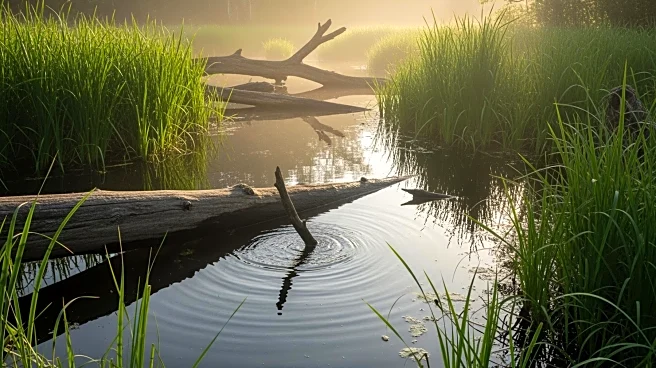
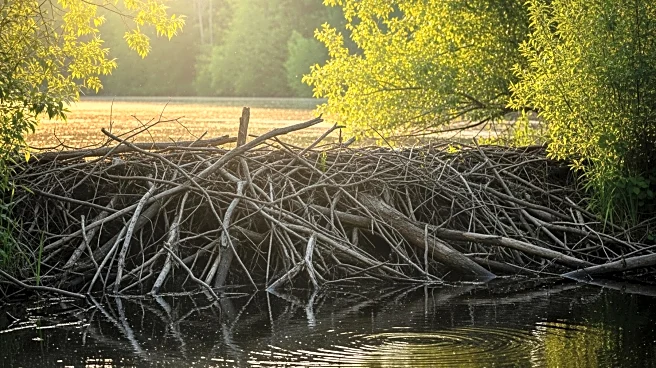
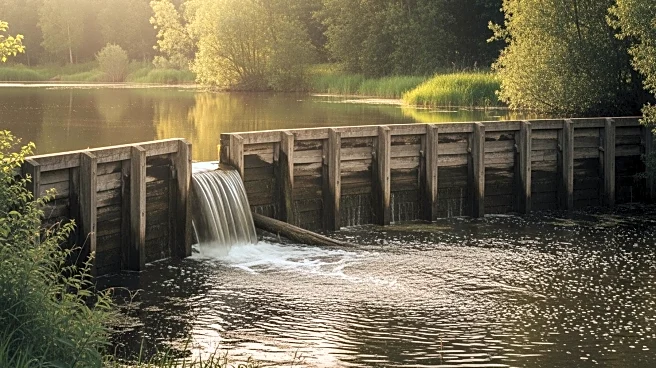
A groundbreaking study published in the journal Communications Earth & Environment has revealed that beavers play a significant role in combating climate change by creating carbon sinks. Conducted in Switzerland, the research shows that beavers' dam-building
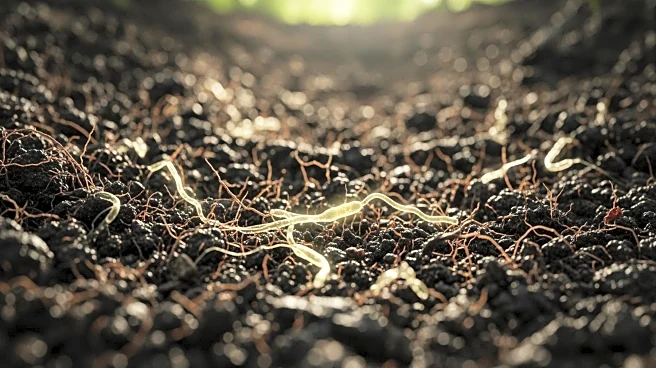
activities transform streams into wetlands that trap and store carbon, reducing carbon dioxide emissions. This natural process offers a cost-effective and sustainable method for carbon sequestration. The study highlights the potential for beaver wetlands to offset 1.2-1.8% of Switzerland's annual carbon emissions, showcasing the environmental benefits of beaver recolonization.
Why It's Important?
The findings underscore the importance of nature-based solutions in addressing climate change. Beavers, as ecosystem engineers, provide a unique opportunity to enhance carbon storage without human intervention or financial costs. This research could influence conservation strategies and policies aimed at leveraging wildlife to mitigate climate impacts. The study also highlights the broader ecological benefits of beaver activity, such as improved water quality and biodiversity. As climate change continues to pose significant challenges, integrating natural processes into climate strategies could offer sustainable and effective solutions.
What's Next?
The study's results may encourage further research into the role of wildlife in climate mitigation and the potential for expanding beaver populations in suitable habitats. Policymakers and conservationists might explore opportunities to support beaver recolonization and habitat restoration as part of broader climate action plans. The success of such initiatives could lead to increased recognition of the value of ecosystem services in climate policy and conservation efforts.