





What's Happening?
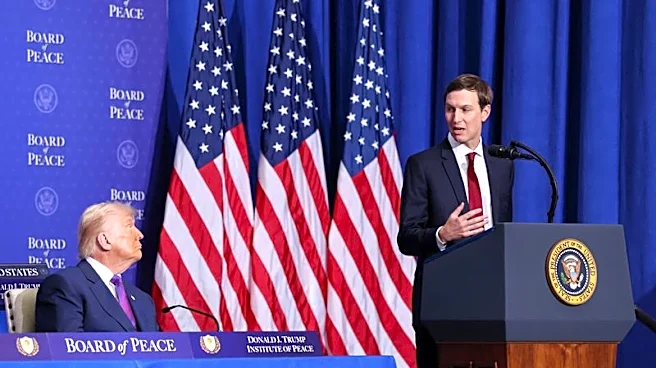
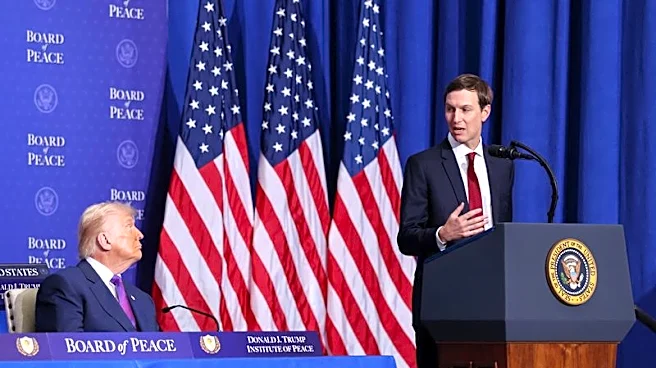
The United States and Israel have agreed to formulate a plan to ensure humanitarian aid reaches civilians in the Gaza Strip without benefiting Hamas. This development was announced by U.S. Secretary of State Antony Blinken. The agreement comes amidst
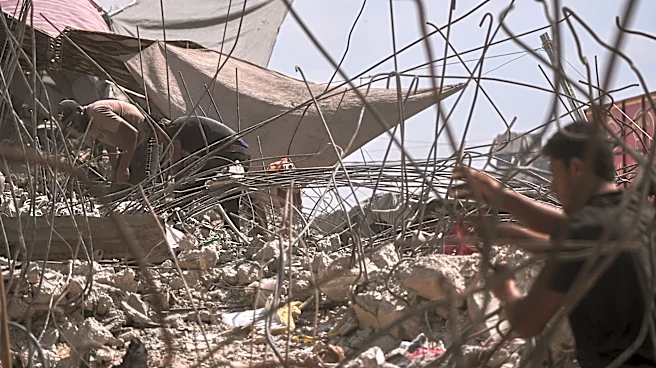
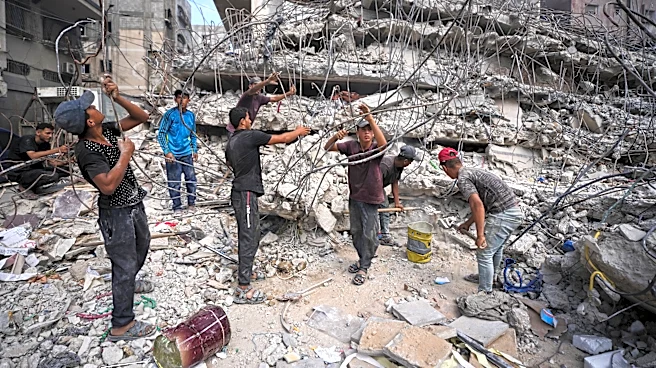
escalating conflict in the region, with concerns about the distribution of aid and the potential for it to be diverted. The plan aims to address the critical needs of the civilian population in Gaza while maintaining security protocols to prevent resources from falling into the hands of the militant group. This collaborative effort underscores the U.S.'s commitment to supporting humanitarian efforts in the conflict zone and its strategic partnership with Israel.
Why It's Important?
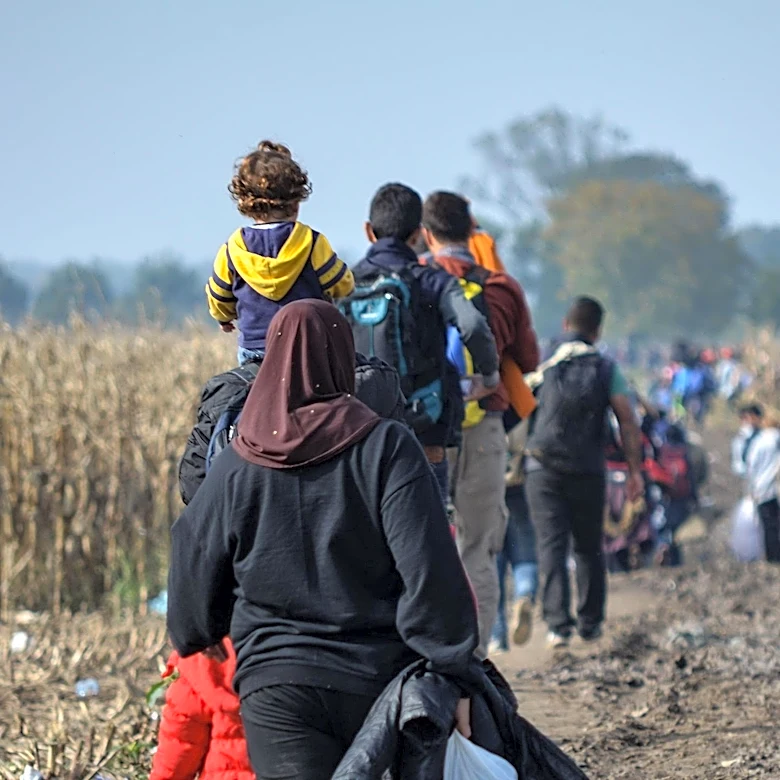
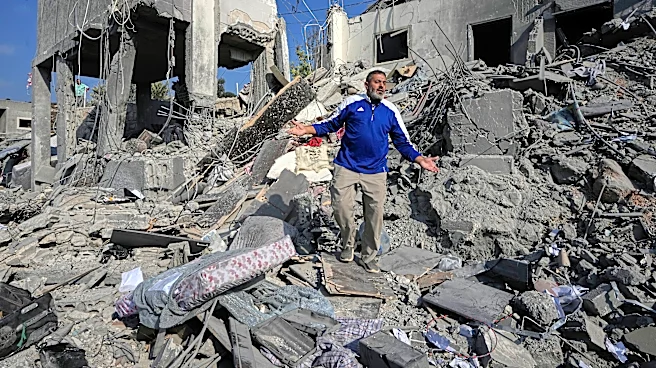
This agreement is important because it directly addresses the complex challenge of providing humanitarian assistance in a conflict zone while simultaneously attempting to prevent the strengthening of a designated terrorist organization. For the U.S., it demonstrates a commitment to both its ally, Israel, and to international humanitarian principles. The successful implementation of such a plan could set a precedent for future aid operations in similar volatile regions, potentially influencing global humanitarian response strategies. Failure to effectively distribute aid could exacerbate the humanitarian crisis in Gaza, leading to increased instability and further suffering for civilians. Conversely, a well-executed plan could alleviate immediate needs and potentially foster a more stable environment, benefiting regional security and U.S. foreign policy objectives.
What's Next?
The immediate next step involves the U.S. and Israel working together to develop the specific details of the humanitarian aid distribution plan. This will likely include identifying secure corridors for aid delivery, establishing monitoring mechanisms to track the aid, and coordinating with international organizations on the ground. Stakeholders such as the United Nations and other humanitarian groups will likely be involved in the operational aspects of the plan. The success of this initiative will depend on the ability of both nations to overcome logistical challenges and ensure the aid reaches its intended recipients. Further announcements regarding the specifics of the plan and its implementation are expected as the situation evolves.
Beyond the Headlines
Beyond the immediate humanitarian concerns, this agreement highlights the delicate balance the U.S. seeks to maintain in the Middle East. It reflects a broader strategy of supporting Israel's security while also advocating for the welfare of Palestinian civilians. The challenge lies in navigating the political complexities and deep-seated mistrust between the parties involved. The effectiveness of this plan could influence future diplomatic efforts in the region and shape perceptions of U.S. engagement. It also raises questions about the long-term solutions for Gaza's humanitarian needs and the role of international actors in ensuring sustainable stability, extending beyond immediate aid distribution to broader reconstruction and governance issues.