






What's Happening?
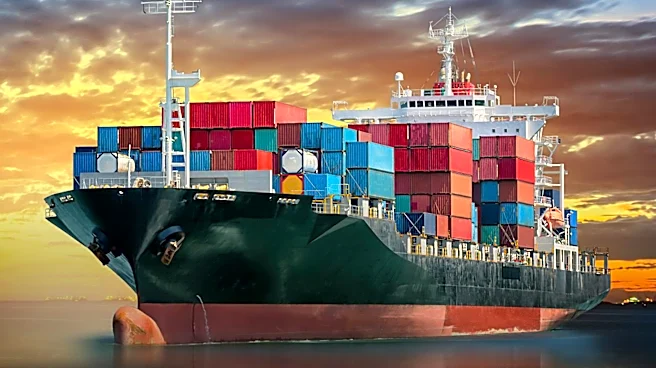
The United States has lifted a 12-year ban on vessels originating from Nigeria, which was imposed due to security concerns related to weak anti-terrorism measures. The U.S. Coast Guard (USCG) had placed Conditions of Entry (COE) on Nigerian port terminals
in 2014, citing non-compliance with the International Ships and Ports Facility Security (ISPS) code, developed after the 9/11 attacks. These restrictions subjected vessels from designated Nigerian ports to stricter security scrutiny and additional measures before entering U.S. waters. Nigerian authorities have revealed that the USCG conducted assessments of the country’s national maritime security framework and port facilities over the past two years, which demonstrated significant progress in maritime security performance and ISPS Code implementation. The lifting of the COE is expected to enhance Nigeria's maritime sector competitiveness and foster increased bilateral trade with the U.S.
Why It's Important?
This decision by the U.S. is significant for both Nigeria and the U.S. maritime industries. For Nigeria, it removes a major impediment to its maritime sector's competitiveness, which had been negatively impacted by slower vessel turnaround times, reduced schedule reliability, and increased costs due to additional documentation and inspections. The lifting of the ban is anticipated to attract more shipping lines to Nigerian ports, thereby increasing trade ties with the U.S. Nigeria is already the second-largest trading partner for the U.S. in Sub-Saharan Africa, with two-way trade reaching $15 billion last year. For the U.S., this move could lead to more efficient and cost-effective trade with a key African partner, potentially lowering supply chain costs and increasing the availability of goods. It also signals a recognition of improved security standards in a crucial region, which could encourage further investment and collaboration in maritime security initiatives.
What's Next?
Nigeria's Marine and Blue Economy Minister, Adegboyega Oyetola, has expressed commitment to sustaining the momentum and ensuring Nigeria remains a safe, secure, and competitive destination for international shipping. The country aims to position its maritime sector as a regional trade hub under the African Continental Free Trade Area (AfCFTA). The lifting of the COE is expected to facilitate faster vessel turnaround, improve schedule reliability, and reduce costs for shipping lines, making Nigerian ports more attractive. This could lead to a tangible increase in shipping line calls and trade volumes between Nigeria and the U.S. The U.S. will likely continue to monitor Nigeria's adherence to international maritime security standards. The removal of Nigeria from the list of countries under enhanced scrutiny leaves 23 other nations, primarily in Africa and Asia, still subject to such measures, with Haiti being the latest addition in June.
Beyond the Headlines
The lifting of the U.S. ban on Nigerian vessels carries broader implications beyond immediate trade benefits. It represents a diplomatic success for Nigeria, demonstrating its commitment to international security standards and its capacity to implement significant reforms. This could enhance Nigeria's standing on the global stage and potentially encourage other nations to re-evaluate their own restrictions or perceptions of the country's maritime security. Furthermore, the incident highlights the long-term impact of international security regulations, such as the ISPS Code, on global trade and national economies. The initial imposition of the ban underscored the vulnerability of trade to security threats, while its removal now illustrates the potential for sustained efforts in security enhancement to yield economic dividends. This development could also serve as a model for other nations seeking to improve their maritime security and integrate more fully into global trade networks.