





What's Happening?
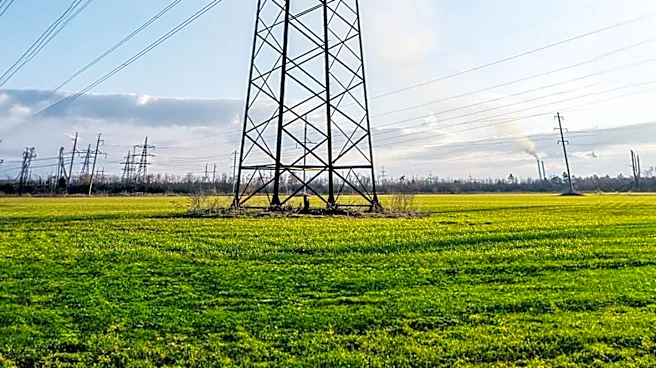
Pacific Gas and Electric Company (PG&E) is undertaking a comprehensive grid modernization initiative in Northern California to address the challenges posed by extreme weather, wildfire risks, and rising energy demands. This strategic overhaul involves
integrating generation, transmission, and distribution planning, which have traditionally operated independently. PG&E's approach includes an Integrated Grid Planning (IGP) initiative, supported by IFS Copperleaf, to optimize capital and asset strategy. This initiative aims to prioritize projects effectively, optimize limited capital, and adapt dynamically to changing conditions. The effort is part of a broader industry transformation to meet the demands of electrification, data centers, and climate resilience.
Why It's Important?
PG&E's grid modernization efforts are critical in ensuring the reliability and resilience of Northern California's energy infrastructure. As the region faces increasing energy demands from data centers and electrification, the traditional fragmented approach to utility planning is no longer viable. By adopting a comprehensive, integrated planning framework, PG&E can better manage resources, reduce costs, and improve service reliability for its 16 million customers. This initiative also sets a precedent for other utilities facing similar challenges, highlighting the need for strategic planning and investment in grid modernization to support future energy needs.
What's Next?
PG&E will continue to implement its Integrated Grid Planning initiative, focusing on optimizing project execution and resource allocation. The utility will likely expand its use of IFS Copperleaf's integrated planning tools to manage its complex asset portfolio. As the initiative progresses, PG&E will need to address potential challenges such as inflation, material constraints, and the need for new supply sources. Ongoing collaboration with stakeholders and continued investment in grid modernization will be essential to achieving the initiative's goals and ensuring the long-term resilience of Northern California's energy infrastructure.