



What's Happening?
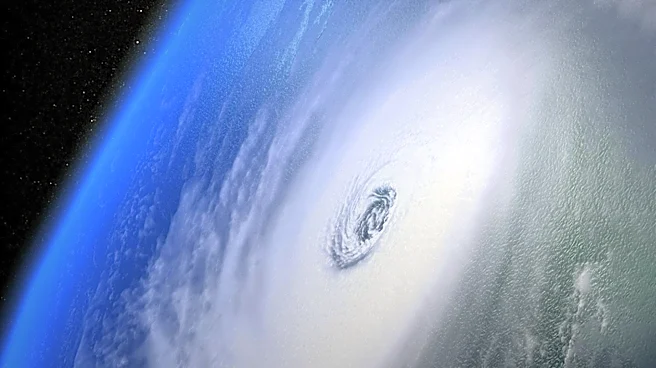
The current El Niño event is projected to become unusually strong, with the U.S. National Oceanic and Atmospheric Administration (NOAA) indicating a greater than 90% chance of it reaching very strong intensity during the Northern Hemisphere autumn and winter.
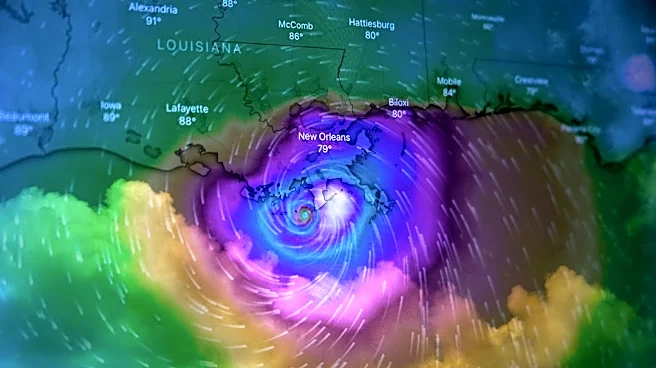
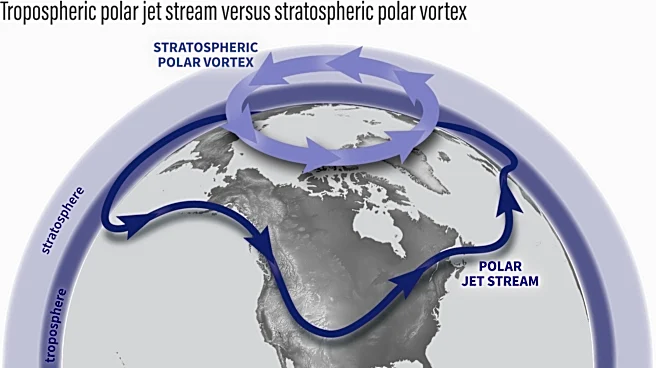
The World Meteorological Organization (WMO) has also warned that this phenomenon will significantly alter rainfall and temperature patterns globally, increasing the risk of floods, droughts, and extreme heat in various regions. El Niño, a natural climate pattern, involves the weakening or reversal of trade winds across the tropical Pacific, causing warm water to spread eastward. This shift in ocean temperatures disrupts atmospheric circulation, leading to diverse weather impacts. For instance, while some regions may experience increased rainfall and storms, others will face reduced rainfall and heightened drought risk, as the event redistributes atmospheric heating and moisture.
Why It's Important?
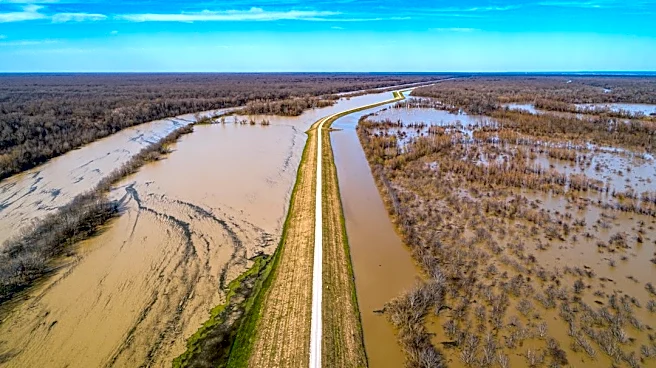
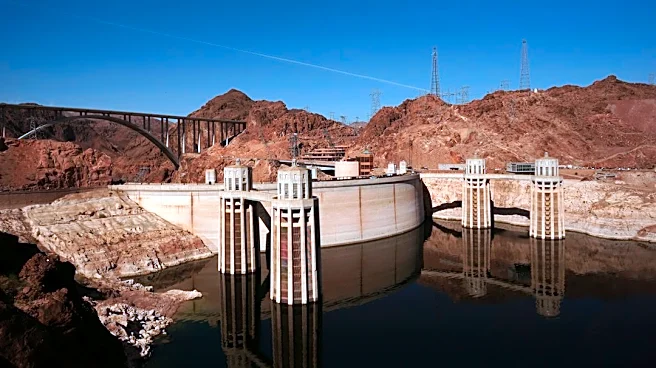
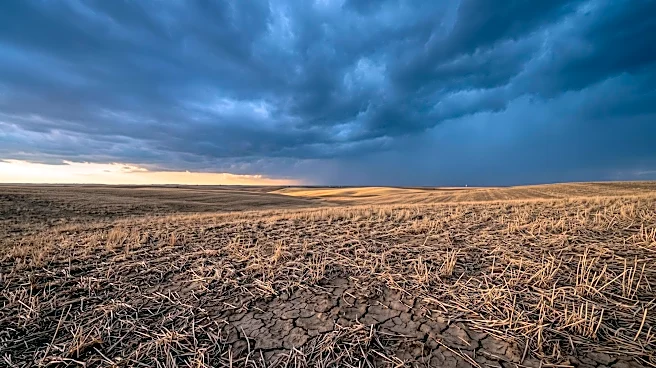
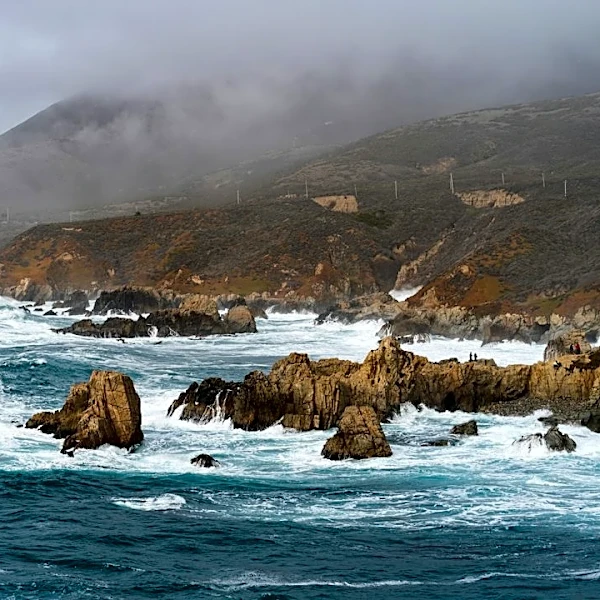
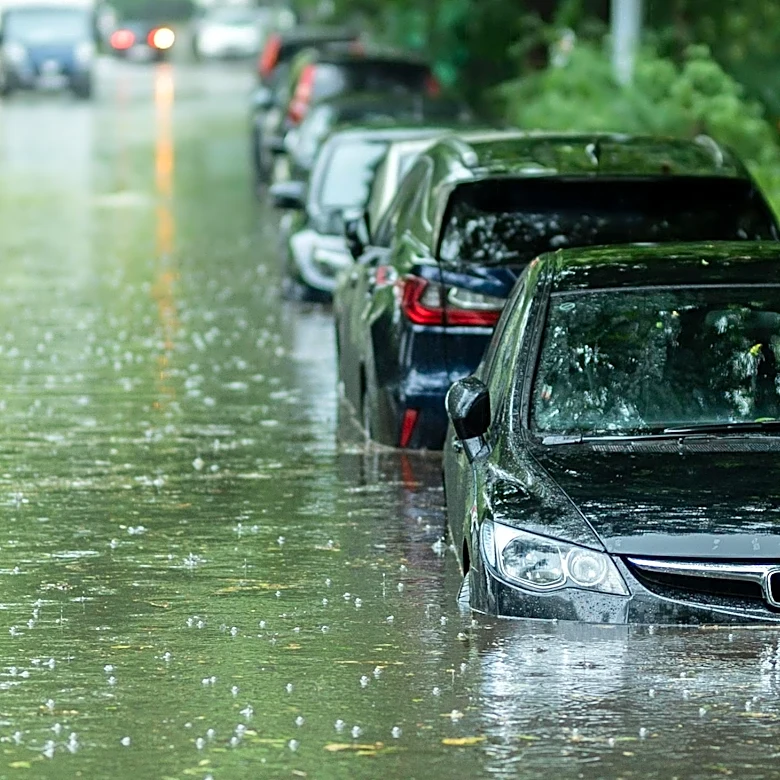
The intensification of the El Niño event carries significant implications for the U.S., affecting various sectors and regions differently. Southern parts of the U.S. could experience wetter-than-normal conditions during winter, potentially leading to increased flooding and strain on infrastructure, while the northern tier might face warmer or drier conditions, impacting agriculture and water resources. The agricultural sector, in particular, stands to lose from unpredictable rainfall patterns, which can damage crops and livestock, leading to higher food prices for consumers. Water management systems across the country will be tested, especially in drought-prone areas. Furthermore, the increased risk of wildfires in drier regions poses a threat to property, natural resources, and public health. The economic impact could be substantial, affecting insurance rates, disaster relief budgets, and the overall stability of regional economies. Understanding these diverse impacts is crucial for effective preparedness and mitigation strategies across the U.S.
What's Next?
As the El Niño event intensifies, U.S. federal and state agencies are expected to implement and refine their preparedness strategies. This will likely include enhanced weather monitoring and forecasting to provide more localized and accurate predictions. Water resource managers will need to adjust their strategies, potentially implementing water conservation measures in drier regions and preparing for flood control in wetter areas. Farmers will be advised to adapt their planting and harvesting schedules, and consider drought-resistant crops or alternative irrigation methods. Emergency services will prepare for increased demand related to floods, wildfires, and heatwaves. Public health officials will also monitor for potential increases in heat-related illnesses and vector-borne diseases. The interaction between El Niño and human-driven climate change means that these events could lead to exceptionally high global temperatures, necessitating a long-term focus on climate resilience and adaptation measures across all sectors.
Beyond the Headlines
The current El Niño event highlights a critical distinction between natural climate patterns and human-driven climate change, while also underscoring their complex interaction. While El Niño is a natural phenomenon, its effects are amplified by a warmer global climate, potentially leading to more extreme and impactful weather events. This interaction raises profound questions about the long-term sustainability of current agricultural practices, urban planning, and resource management in the U.S. The diverse and often contradictory impacts—floods in one region, droughts in another—challenge traditional disaster response frameworks and necessitate a more integrated and flexible approach to climate adaptation. Ethically, it brings to the forefront the responsibility of developed nations to invest in robust climate science and infrastructure, not only for their own protection but also to contribute to global efforts in understanding and mitigating the combined effects of natural climate variability and anthropogenic warming.