









What's Happening?
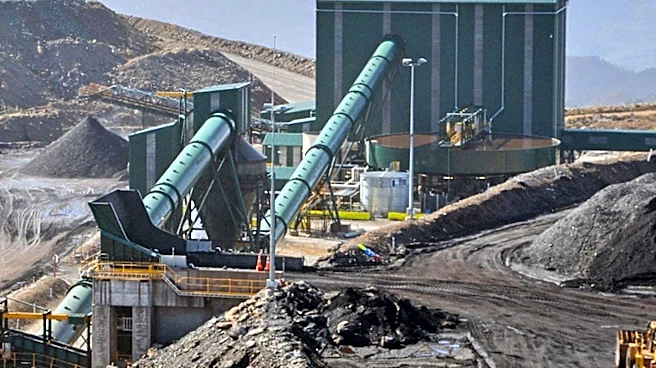
The Peter Ballantyne Cree Nation (PBCN) has reached an agreement with Denison Mines to support the development of a uranium mining project near Wheeler River in Saskatchewan, Canada. This agreement includes PBCN's role as an environmental monitor, addressing
previous concerns about the project's impact on traditional territories. The deal halts a lawsuit PBCN had filed against the Saskatchewan government, which alleged inadequate consultation during environmental assessments. The agreement promises job prospects, business opportunities, and financial benefits for PBCN communities.
Why It's Important?
This development marks a significant shift in the relationship between indigenous communities and resource extraction companies. By securing a supervisory role in environmental monitoring, PBCN ensures that its members have a say in protecting their traditional lands. The agreement also highlights the importance of meaningful consultation and collaboration in resource development projects, setting a precedent for future engagements between indigenous groups and the mining industry. Economically, the project could bring substantial benefits to the region, including employment and business opportunities for PBCN members.
What's Next?
With the lawsuit dropped, Denison Mines can proceed with the development of the Wheeler River project, pending further regulatory approvals. PBCN will begin its role in environmental monitoring, with details on the program's implementation to be shared later. The collaboration may serve as a model for other indigenous communities seeking to balance economic development with environmental stewardship. Ongoing dialogue between PBCN, Denison Mines, and government bodies will be crucial to ensure the project's success and sustainability.