


What's Happening?
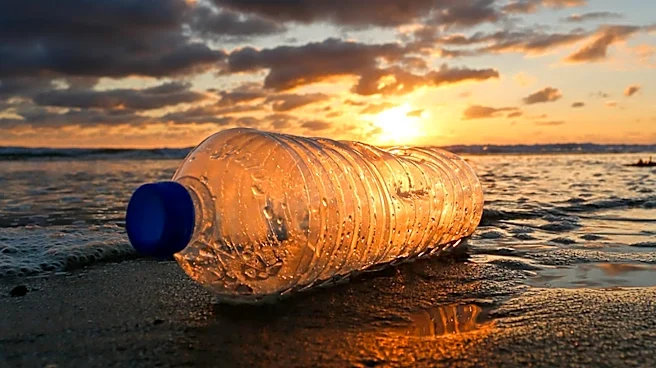
A coalition of scientists, including members from the UK's High Ambition Coalition, is advocating for global measures to address the environmental, climate, and health impacts of plastic pollution. The coalition emphasizes the need for robust environmental regulation
and oversight of the petrochemical sector, particularly in regions like Teesside. Despite the urgency highlighted by the Environmental Investigation Agency (EIA), negotiations for a Global Plastics Treaty remain stalled due to resistance from a small group of countries. The coalition underscores that addressing plastic production is crucial for mitigating pollution and its associated emissions, which are estimated to be 2.4 billion tonnes of CO2e annually.
Why It's Important?
The push for global measures on plastic production is significant as it addresses the root cause of plastic pollution, which has far-reaching impacts on the environment, climate, and human health. The coalition's call for action highlights the need for international cooperation to reduce plastic production and its associated emissions. The deadlock in treaty negotiations poses a challenge to achieving these goals, as continued resistance from certain countries could hinder progress. The outcome of these negotiations could have a profound impact on global efforts to combat plastic pollution and its effects on ecosystems and communities worldwide.
What's Next?
As governments prepare for the resumption of formal negotiations, the coalition urges them to focus on the source of the problem and the long-term vision to address it. The upcoming draft treaty text and informal and formal treaty talks will be crucial in determining the future of global plastic production regulations. Policymakers are encouraged to prioritize reducing plastic production and transitioning to alternative systems and services such as reuse, refill, and repair. The coalition's advocacy efforts aim to influence these negotiations and ensure that ambitious countries can work together to significantly reduce plastic production, pollution, and climate emissions.