








What's Happening?
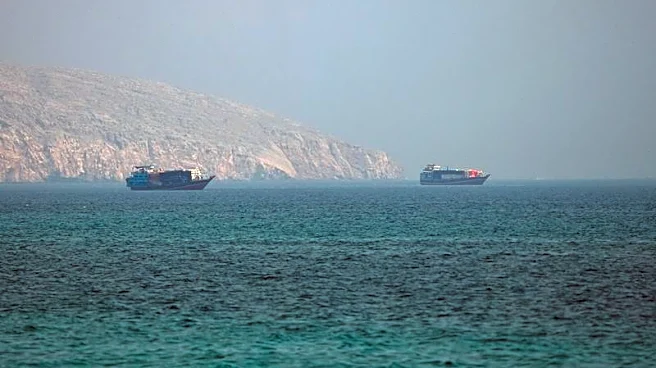
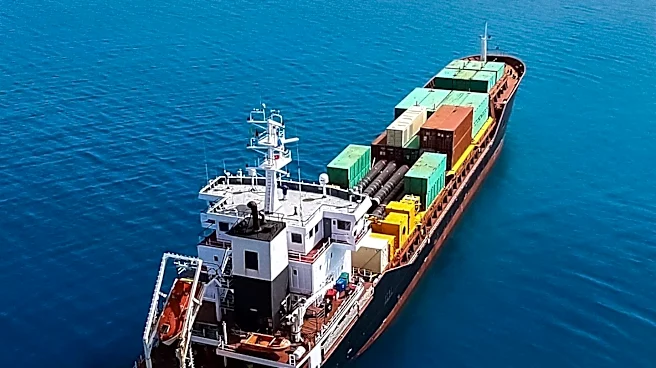
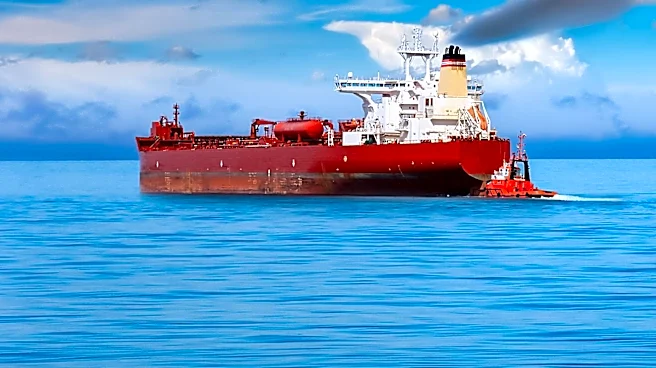
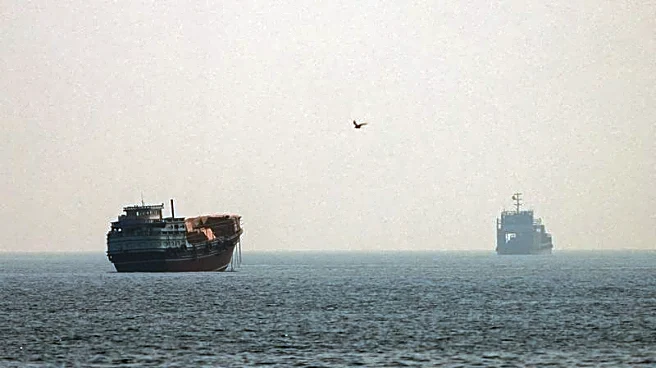
Liquefied natural gas (LNG) tankers have resumed transiting the Strait of Hormuz despite renewed hostilities between the U.S. and Iran. Recent Iranian attacks on commercial vessels and U.S. retaliatory strikes have heightened tensions, yet at least five
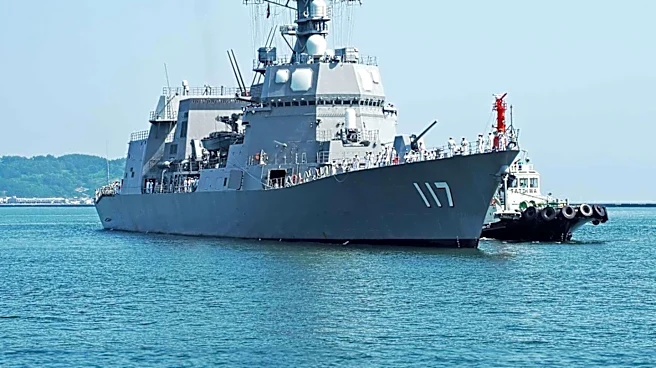
LNG tankers have entered the strait. These include vessels linked to Greek shipping company GasLog and QatarEnergy. The resumption of LNG tanker traffic indicates a cautious return to normalcy, although the security situation remains precarious. Japan-linked vessels have also been exiting the Gulf, reducing their presence significantly since the conflict began.
Why It's Important?
The Strait of Hormuz is a critical passage for global LNG shipments, and any disruption can have significant implications for energy markets. The resumption of LNG tanker traffic suggests a degree of resilience in the face of geopolitical tensions. However, the ongoing conflict poses risks to energy security and could lead to increased volatility in LNG markets. The situation highlights the strategic importance of the strait and the need for effective maritime security measures to ensure the safe passage of energy supplies.
What's Next?
The security situation in the Strait of Hormuz remains fluid, with potential for further military actions by the U.S. and Iran. Shipping companies and governments will need to closely monitor developments and adapt to the evolving security landscape. Diplomatic efforts to de-escalate tensions will be crucial to ensuring the continued flow of LNG and other energy supplies through the strait.