

What's Happening?
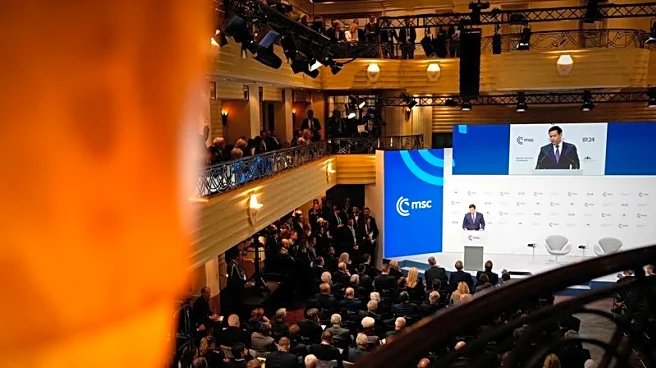
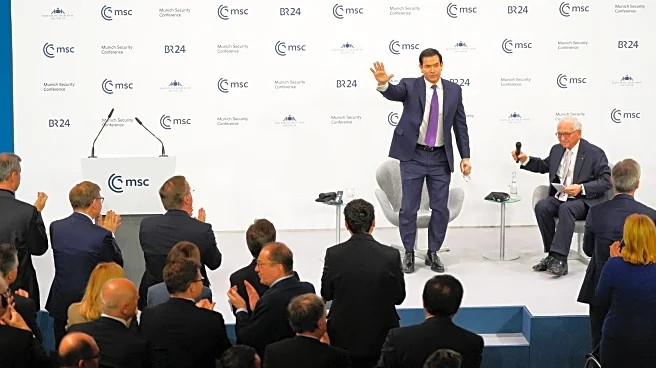
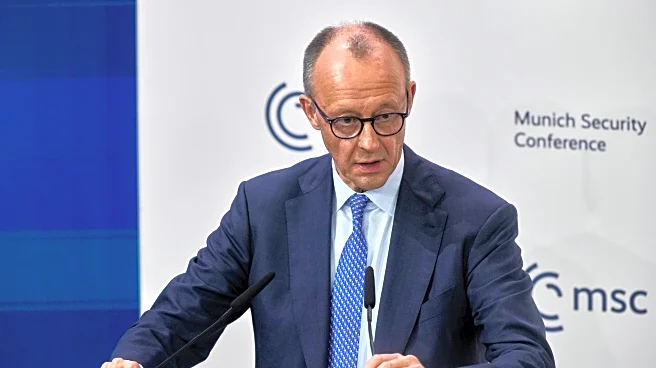
During the Munich Security Conference, European Union foreign policy chief Kaja Kallas addressed criticisms from the Trump administration regarding Europe's alleged 'civilizational erasure.' The U.S. national security strategy, released in December, suggested
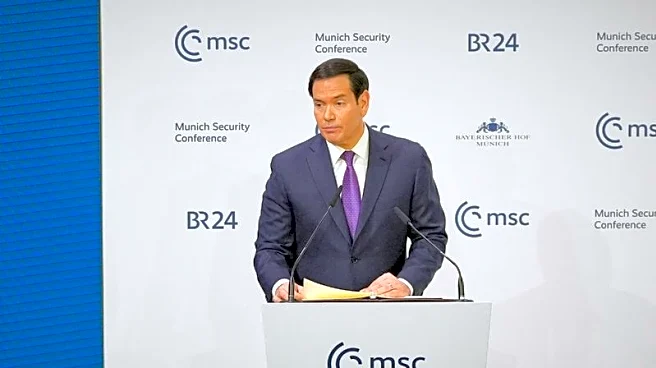
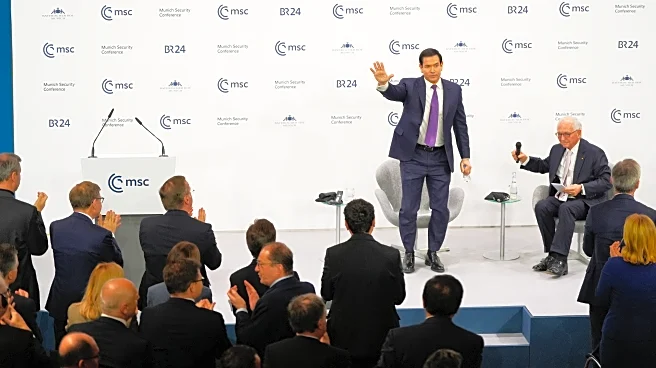
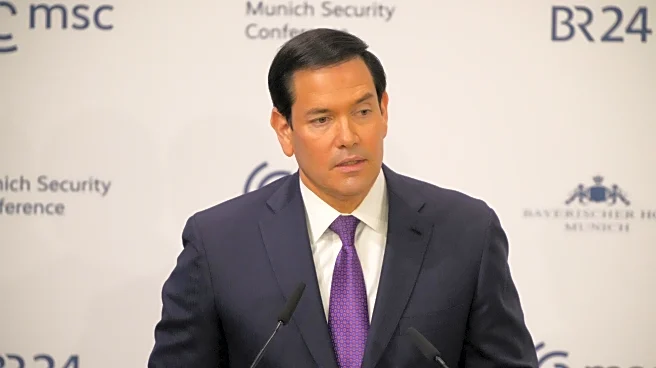
that Europe is facing significant challenges due to economic stagnation, immigration policies, declining birth rates, and a perceived loss of national identity. Kallas refuted these claims, emphasizing that Europe continues to attract interest from non-European countries, such as Canada, and remains committed to defending human rights and promoting prosperity. U.S. Secretary of State Marco Rubio, who also spoke at the conference, maintained a firm stance on reshaping the trans-Atlantic alliance but reassured European allies of continued cooperation.
Why It's Important?
The exchange highlights ongoing tensions between the U.S. and Europe regarding immigration, trade, and climate policies. The Trump administration's critical view of Europe's socio-economic policies could influence trans-Atlantic relations, potentially affecting diplomatic and economic collaborations. Europe's response, emphasizing unity and shared values, underscores its commitment to maintaining its socio-political model despite external pressures. This dialogue is crucial as it reflects broader geopolitical dynamics and the future of international alliances, impacting global trade, security, and environmental strategies.
What's Next?
Future interactions between the U.S. and Europe will likely focus on reconciling differing policy approaches while maintaining strategic alliances. European leaders may continue to assert their values in international forums, seeking to balance U.S. influence with their own policy priorities. The outcome of these discussions could shape the direction of trans-Atlantic relations, affecting global economic and security frameworks.