








What's Happening?
Record-breaking heat waves are affecting multiple regions worldwide, driven by a combination of El Niño and climate change. The phenomenon is contributing to unusually high temperatures in Europe, North America, and Asia. In the U.S., cities like Phoenix
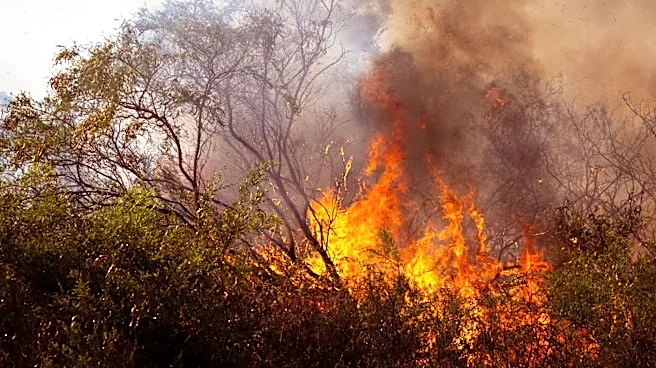
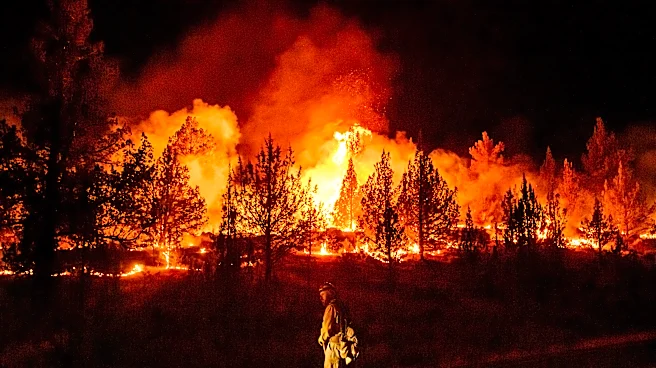
and Salt Lake City are experiencing extreme heat, with temperatures reaching unprecedented levels. The heat is exacerbated by changes in the jet stream and heat domes, which trap warm air over large areas. These conditions are leading to increased risks of wildfires and heat-related health issues.
Why It's Important?
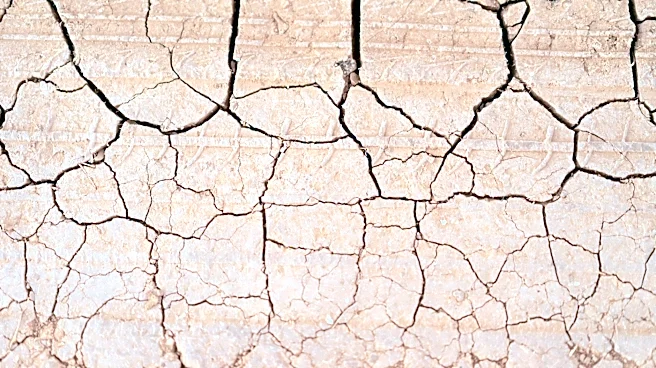
The intensification of heat waves due to El Niño and climate change poses significant challenges for public health, infrastructure, and the environment. Prolonged high temperatures can lead to increased mortality rates, strain on energy resources, and heightened wildfire risks. The economic impact is also substantial, affecting agriculture, water supply, and overall productivity. Understanding the role of El Niño in these extreme weather events is crucial for developing effective mitigation and adaptation strategies to protect communities and ecosystems.
What's Next?
As El Niño continues to strengthen, its effects on global weather patterns are expected to persist, potentially leading to more extreme weather events. Governments and organizations are likely to enhance their climate resilience efforts, focusing on infrastructure improvements, emergency response plans, and public awareness campaigns. Ongoing research will aim to better predict and manage the impacts of El Niño and climate change on global weather systems.