
What's Happening?
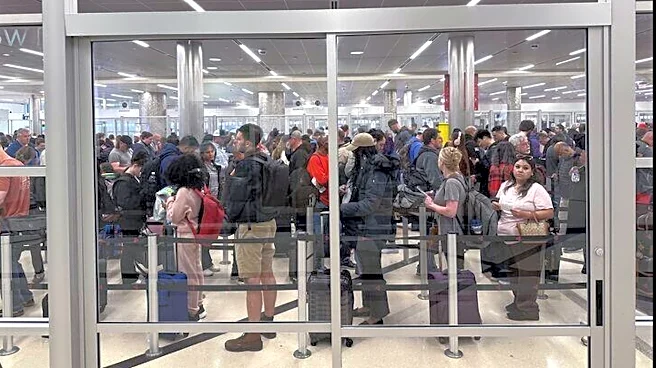
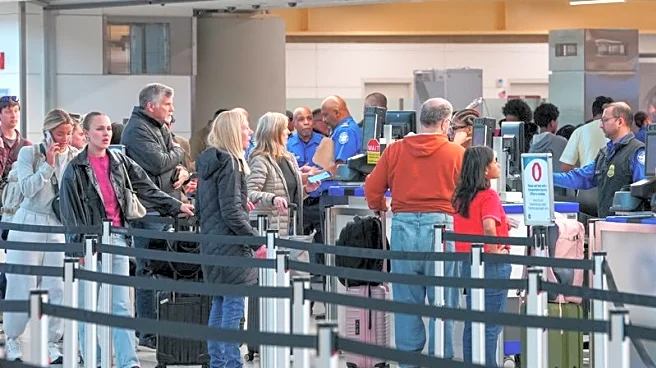
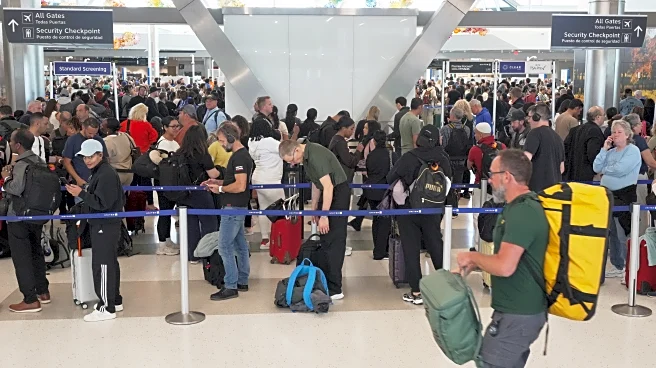
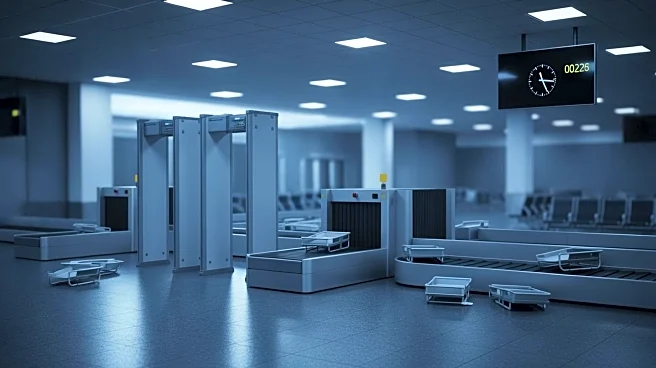
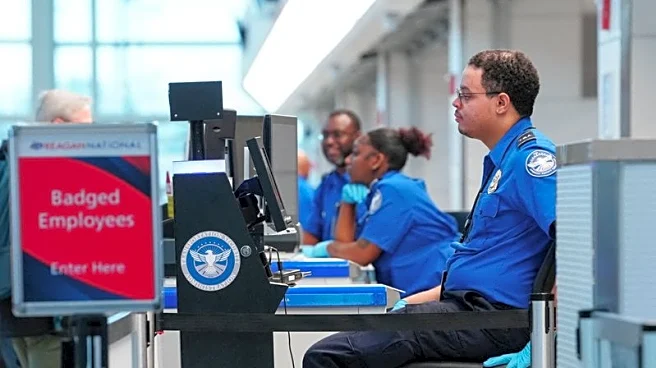
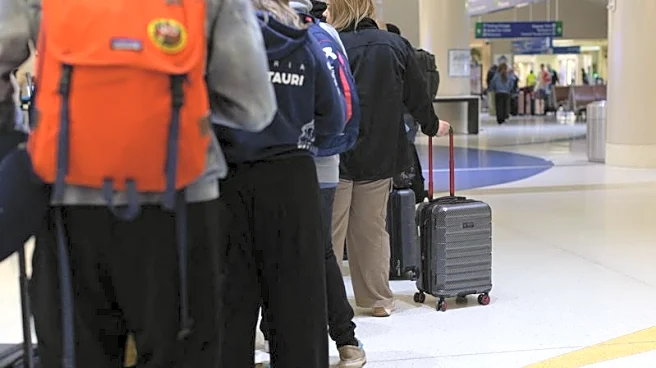
Hartsfield-Jackson Atlanta International Airport (ATL), the busiest airport in the world, is experiencing significant delays at its main domestic security checkpoint due to a partial shutdown of the U.S. Department of Homeland Security (DHS). On March
18, wait times reached nearly two hours as approximately one-third of the airport's TSA officers did not report to work. This staffing shortage has resulted in over 60 flight cancellations and more than 350 delays, although not all disruptions are directly related to security delays. The DHS funding lapse, which began on February 14, stems from political disagreements over immigration policy, affecting agencies like Immigration and Customs Enforcement (ICE) and Customs and Border Protection (CBP). As a result, TSA officers are working without pay, leading to increased call-out rates and some officers quitting. TSA Acting Deputy Administrator Adam Stahl warned that if the situation persists, smaller airports might face shutdowns due to insufficient staffing.
Why It's Important?
The ongoing TSA staffing shortages at major airports like ATL highlight the broader implications of the DHS funding lapse on national security and the aviation industry. With approximately 47,000 TSA officers nationwide working without pay, the risk of operational disruptions at airports is significant. This situation not only affects travelers but also has economic repercussions, as flight cancellations and delays can lead to financial losses for airlines and related businesses. The political stalemate over immigration policy further complicates efforts to resolve the funding issue, with both Republicans and Democrats blaming each other. The potential for airport shutdowns underscores the critical need for a resolution to ensure the security and efficiency of air travel in the U.S.
What's Next?
If the DHS funding issue remains unresolved, TSA staffing shortages could worsen, leading to more severe disruptions at airports across the country. The possibility of airport shutdowns, particularly at smaller facilities, remains a concern. Efforts to support TSA employees, such as Denver International Airport's initiative to collect gift card donations, may provide temporary relief but do not address the underlying funding problem. Congressional negotiations will be crucial in determining the next steps, as lawmakers must find a compromise to restore DHS funding and stabilize TSA operations. The situation also calls for increased public awareness and support for affected TSA workers, who are facing financial hardships due to the ongoing shutdown.