







What's Happening?
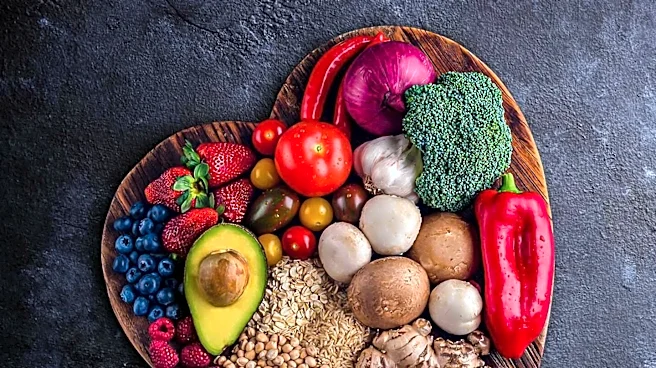
Prebiotics are a type of fiber that nourishes beneficial bacteria in the digestive system, naturally found in fiber-rich foods. While they contribute to a healthy diet, they should not be the sole source of fiber. Prebiotic sodas, carbonated drinks containing
prebiotic fiber and often less sugar than traditional sodas, are currently being studied for their long-term benefits and effectiveness in promoting gut health. Prebiotics function as sustenance for probiotics, which are live microorganisms intended to provide health benefits, thereby supporting their growth and activity within the gut. The distinction between prebiotics, probiotics, and synbiotics (a combination of both) is crucial, as each serves a different purpose. Probiotics are evaluated based on whether specific strains and formulations impact defined health outcomes, while prebiotics are assessed on their ability to support relevant gut microbes and their tolerability. Synbiotics are judged on the evidence for their particular combination's measured outcomes. The efficacy of these supplements, especially for post-antibiotic recovery, is still under investigation, with evidence for restoring microbiome diversity being more limited than for specific issues like diarrhea prevention.
Why It's Important?
The growing interest in prebiotics and probiotics highlights a broader societal focus on gut health and its impact on overall well-being. As consumers become more aware of the digestive system's role in health, the market for products containing these ingredients is expanding. This trend influences the food and beverage industry, leading to the development of new products like prebiotic sodas, and the supplement industry, which offers various formulations. Understanding the distinct roles of prebiotics and probiotics is vital for consumers to make informed choices, as not all products offer the same benefits or have the same level of scientific backing. The ongoing research into their long-term effects and specific applications, particularly in post-antibiotic recovery, can shape future healthcare recommendations and product development. For individuals, knowing the difference can help them select appropriate dietary and supplemental strategies to support their digestive health, potentially reducing reliance on less effective or unnecessary interventions.
What's Next?
Researchers will continue to study the long-term benefits and efficacy of prebiotics, particularly in novel forms like prebiotic sodas, to provide clearer guidance on their role in gut health. Further investigation is needed to establish the extent to which these products contribute to microbiome restoration and overall well-being. The supplement industry is likely to see continued innovation in prebiotic and probiotic formulations, with a focus on clinically supported ingredients and targeted health benefits. Consumers can expect more detailed information regarding specific strains, dosages, and intended outcomes as research progresses. Healthcare professionals will play a crucial role in advising individuals on appropriate use, especially for those with specific health conditions or those recovering from antibiotic treatments. The regulatory landscape may also evolve to ensure accurate labeling and substantiated claims for these products, reflecting the increasing scientific understanding of their mechanisms and effects.
Beyond the Headlines
The rise of prebiotics and probiotics reflects a significant shift towards preventive healthcare and a holistic approach to wellness, moving beyond traditional medicine's focus on treating symptoms. This trend underscores a growing consumer desire for natural and dietary interventions to maintain health. However, it also presents challenges, such as the potential for misinformation and the proliferation of products with unsubstantiated claims. The ethical implications of marketing these products, especially regarding their efficacy in complex scenarios like microbiome restoration, are important. There's a need for greater transparency and scientific rigor in product development and communication to ensure consumers are not misled. Culturally, the emphasis on 'gut health' is becoming a mainstream concept, influencing dietary habits and supplement choices. This broader awareness could lead to long-term changes in how individuals approach their health, prioritizing digestive well-being as a cornerstone of overall vitality, but also necessitating critical evaluation of emerging health trends and products.