



What's Happening?
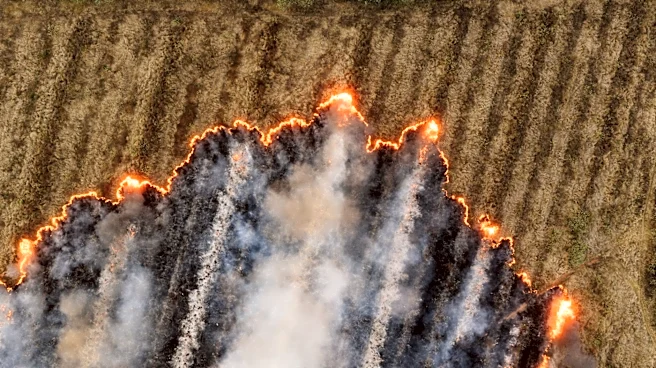
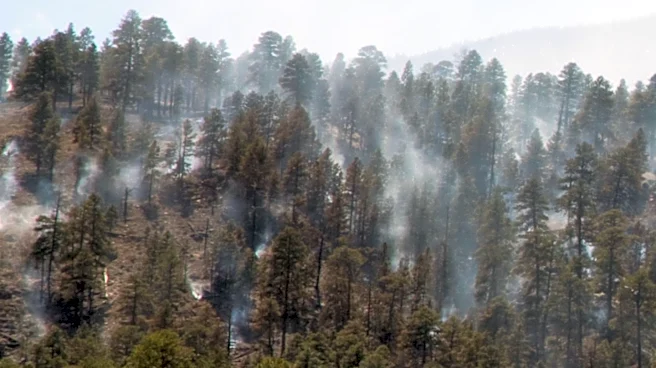
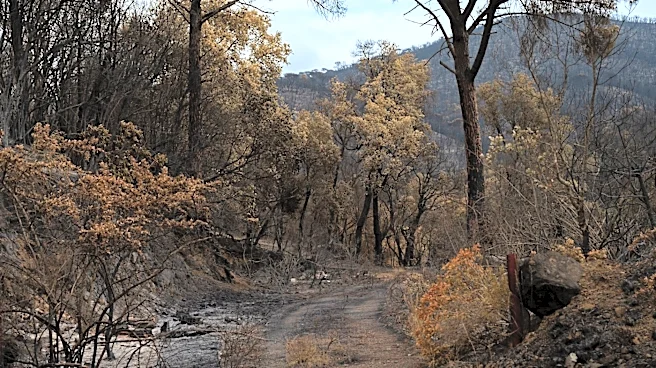
Robert Newman, a rancher from Melstone, Montana, is currently recovering at the University of Utah Burn Center after sustaining severe burns while battling a wildfire near Ingomar. The incident occurred on July 25 when strong winds caused the fire to shift
unexpectedly. Newman suffered second-degree burns over 26% of his body and third-degree burns on his hands, knees, and fingers. His daughter, Steph Newman Watson, confirmed that he has faced significant medical obstacles but is fighting through his recovery in the burn ICU. The local ranching community has rallied to support Newman, with Fire Chief Rodney Dresbach highlighting the crucial role ranchers play in fighting wildfires due to their intimate knowledge of the land. A donated heifer was sold at Miles City Livestock, raising $6,100 to help cover Newman's medical expenses, demonstrating strong community solidarity.
Why It's Important?
This incident underscores the inherent dangers faced by ranchers and local communities in Montana during wildfire season, highlighting their critical, often voluntary, role in initial response efforts. The reliance on local knowledge and immediate action from ranchers like Robert Newman is vital in vast, rugged areas where professional firefighting resources may take longer to deploy. The community's swift and generous financial support, exemplified by the heifer auction, illustrates the strong bonds and mutual aid networks prevalent in rural agricultural regions. This collective response is crucial for individuals facing catastrophic events, as it provides essential financial and emotional support that can be life-changing. The story also brings attention to the increasing intensity of Montana's fire season, emphasizing the need for continued vigilance, preparedness, and support for those on the front lines of these natural disasters.
What's Next?
Robert Newman will continue his recovery at the University of Utah Burn Center, facing a long and challenging journey. The community's fundraising efforts are ongoing, with additional avenues for donations established to support both Newman and Travis Good, who rescued Newman from the flames. Fire Chief Rodney Dresbach indicated that Rosebud County's fire engines remain stationed and ready to respond, with local ranchers continuing to be an integral part of the firefighting strategy as Montana's fire season progresses. This incident may also prompt discussions within local and state agencies about enhancing safety protocols, providing more resources, or offering additional training for community members who volunteer to fight wildfires, especially given the increasing frequency and intensity of such events.
Beyond the Headlines
The story of Robert Newman and the community's response illuminates the often-overlooked risks and sacrifices made by individuals in rural America, particularly those in agriculture, who are frequently the first responders to environmental crises like wildfires. Beyond the immediate medical and financial needs, this event highlights the deep-seated cultural values of self-reliance, community support, and intimate connection to the land that define many rural areas. It also subtly points to the broader implications of climate change, as increasingly severe fire seasons place greater burdens on these communities. The reliance on local knowledge and informal networks for disaster response raises questions about the adequacy of formal emergency services in vast, sparsely populated regions and the potential for innovative partnerships between government agencies and local populations to enhance resilience against environmental threats.