



What's Happening?
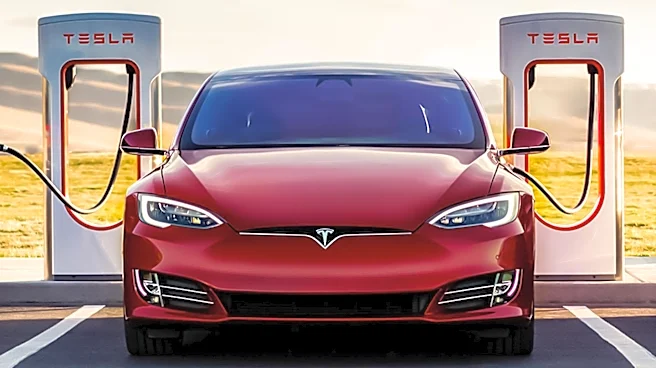
Tesla's extensive Supercharger network, comprising 3,135 stations and 38,558 charging ports across all 50 U.S. states, is increasingly accessible to non-Tesla electric vehicles (EVs). Initially a private network for Tesla owners, the company introduced
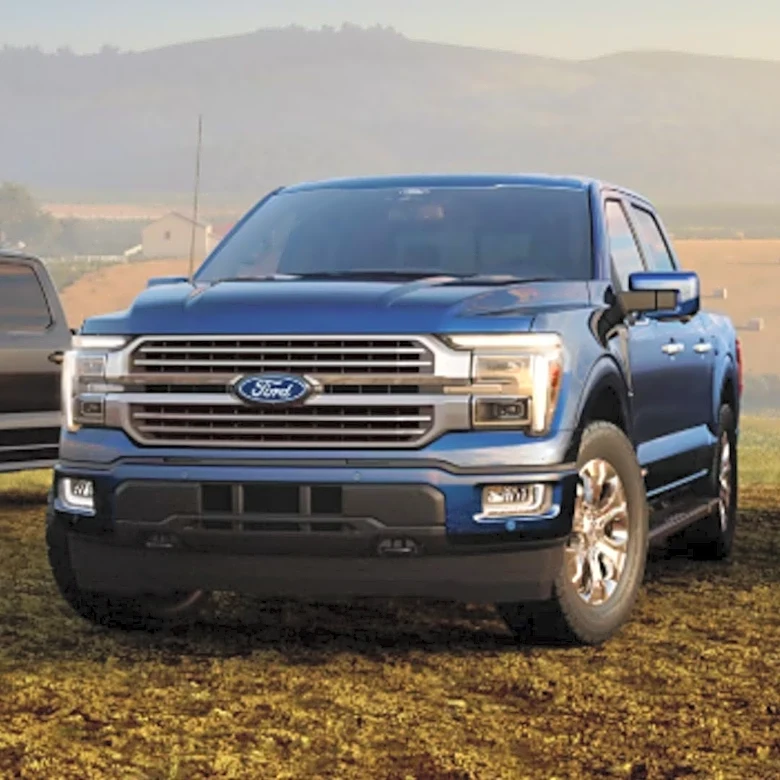
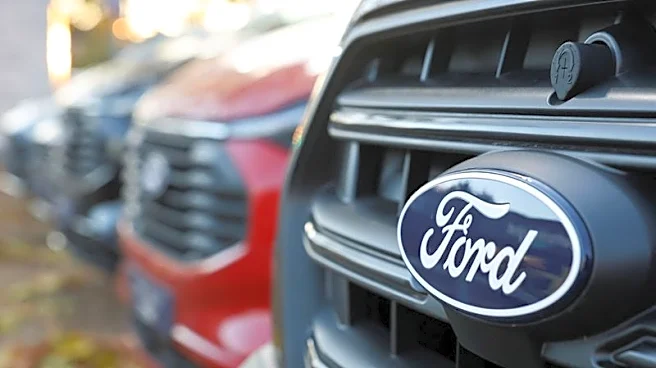
the Magic Dock adapter in 2023, enabling non-Tesla EVs to utilize Supercharger depots. This shift followed Ford's decision to incorporate Tesla's North American Charging Standard (NACS) technology, prompting other EV manufacturers to follow suit. Consequently, NACS has been classified as an official charging standard (SAE J3400), meaning most NACS-compliant EVs can now recharge at Supercharger stations. Tesla continues to expand its network, planning additional stations in U.S. metropolitan areas and private stations to support its growing Robotaxi fleet. However, full compatibility for non-Tesla EVs remains subject to Tesla's approval, depending on the vehicle manufacturer, specific station, and whether the vehicle is on Tesla's approved list.
Why It's Important?
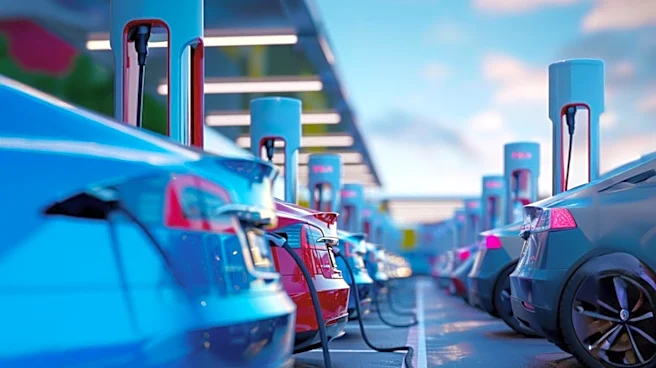
This expansion of Tesla's Supercharger network to include non-Tesla EVs marks a significant development for the broader U.S. electric vehicle market. It addresses a critical barrier to EV adoption: charging infrastructure availability and standardization. By opening its proprietary network, Tesla is contributing to a more robust and accessible charging ecosystem nationwide, which can alleviate range anxiety for potential EV buyers. The adoption of NACS as an industry standard simplifies the charging experience for consumers, reducing the need for multiple adapters or searching for brand-specific charging stations. This move benefits competitive EV brands by providing their customers with more charging options, potentially accelerating the transition from internal-combustion-engine vehicles to EVs. It also fosters greater interoperability within the EV industry, setting a precedent for collaboration among manufacturers.
What's Next?
The continued expansion of Tesla's Supercharger network and the broader adoption of the NACS standard are expected to further integrate the U.S. EV charging landscape. More EV manufacturers are likely to incorporate NACS into their vehicles, increasing the number of non-Tesla EVs compatible with Superchargers. Tesla's plans to build additional stations in metropolitan areas and for its Robotaxi fleet suggest a sustained commitment to expanding charging access. Future developments will likely involve ongoing updates to Tesla's compatibility list for non-Tesla EVs, as well as potential collaborations or agreements with other automakers to streamline the charging process. The industry will also watch for how other charging standards evolve in response to NACS's growing prominence, potentially leading to a more unified charging infrastructure across the nation.
Beyond the Headlines
The opening of Tesla's Supercharger network signifies a broader trend towards standardization and interoperability within the rapidly evolving EV industry. This move could mitigate the 'charging wars' that might have emerged from competing proprietary technologies, fostering a more consumer-friendly environment. Ethically, it demonstrates a shift from a closed ecosystem to a more inclusive one, potentially accelerating environmental benefits associated with widespread EV adoption. Legally, the classification of NACS as an official standard (SAE J3400) provides a framework for future regulatory considerations and industry benchmarks. Culturally, it normalizes EV ownership by making the charging experience less fragmented and more akin to traditional fueling, thereby reducing perceived barriers for mainstream consumers. This development could also influence urban planning and infrastructure investment, as cities adapt to accommodate a growing number of EVs with standardized charging needs.