



What's Happening?
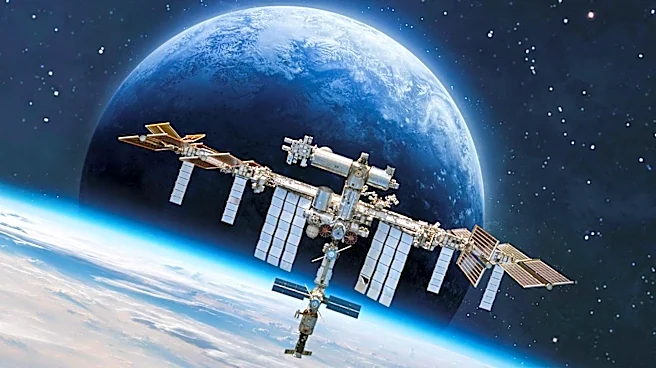
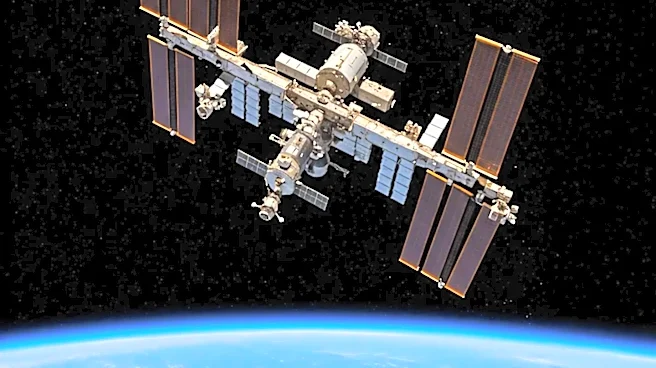
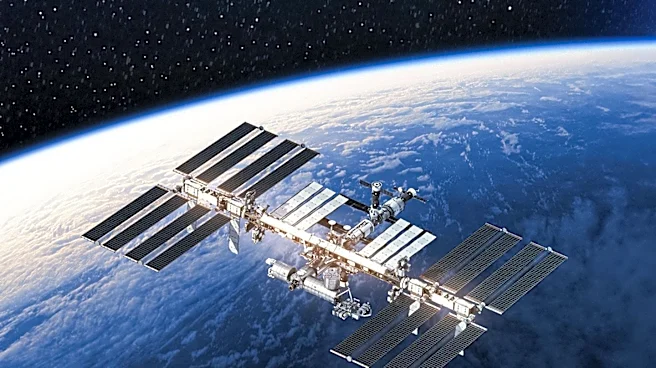
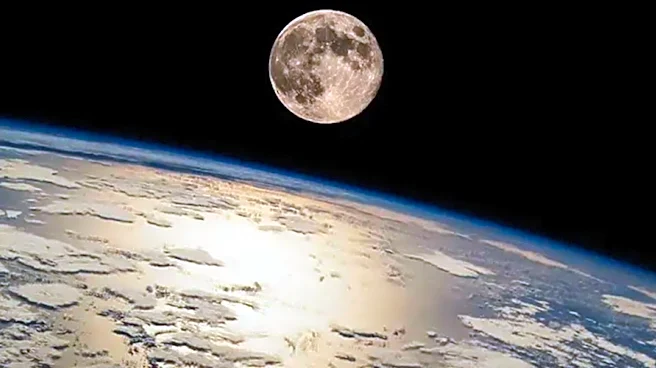
The International Space Station (ISS) orbits Earth every 92 minutes, resulting in 16 sunrises and sunsets each day. To manage this, the ISS operates on Greenwich Mean Time (GMT) and uses engineered lighting to simulate a 24-hour day. NASA has implemented
Solid State Lighting Assemblies that provide different light spectrums to mimic morning, workday, and evening conditions. This system helps regulate astronauts' circadian rhythms, ensuring they maintain a stable sleep schedule despite the rapid orbital cycle. The lighting system is part of a broader strategy to support astronaut health and performance during long-duration missions.
Why It's Important?
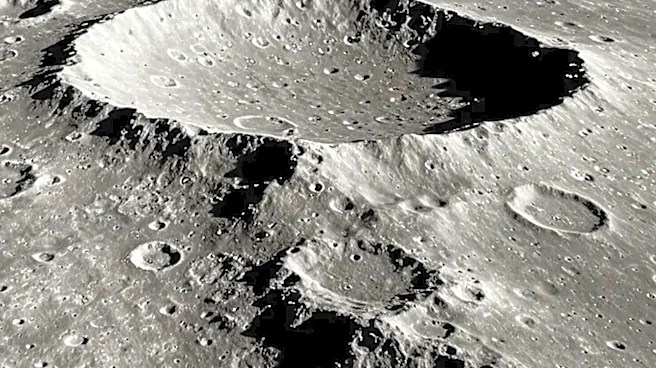
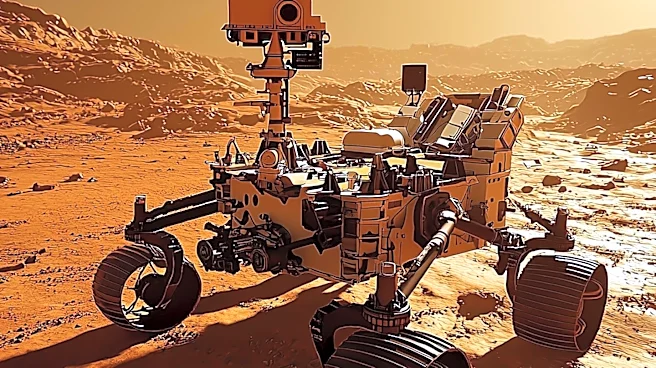
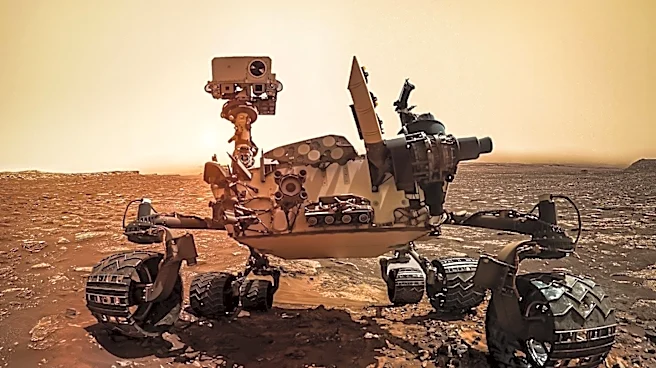
The use of engineered lighting on the ISS is crucial for maintaining astronaut health and performance. By simulating a natural day-night cycle, the lighting system helps regulate circadian rhythms, which are essential for sleep quality and overall well-being. This innovation is particularly important for long-duration missions, where disrupted sleep patterns can impact cognitive function and mission success. The ISS's approach to managing light exposure serves as a model for future space missions, including those to the Moon and Mars, where natural light cycles differ significantly from Earth's. This research contributes to our understanding of human adaptation to space environments.
What's Next?
NASA will continue to refine its lighting systems and other environmental controls to enhance astronaut health and performance on the ISS. Future missions to the Moon and Mars will likely incorporate similar technologies to manage light exposure and support crew well-being. As space exploration advances, understanding and mitigating the effects of altered light cycles will be critical for mission success. NASA's ongoing research in this area will inform the design of habitats and spacecraft for long-duration missions, ensuring that astronauts can maintain optimal health and performance in diverse space environments.