



What's Happening?
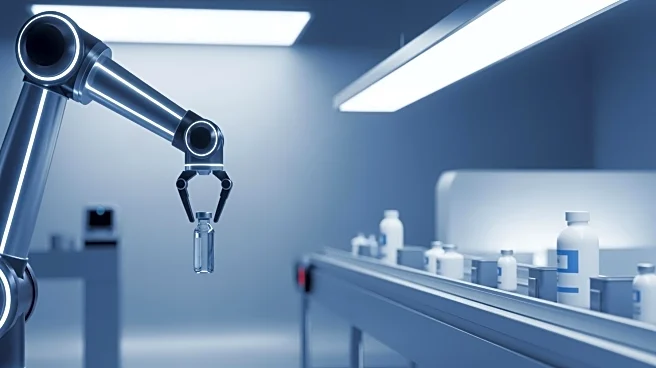
The adoption of IV robotics in hospitals is transforming sterile compounding, supply chain control, and workforce efficiency. These technologies are being utilized to reduce drug waste, lower costs, and improve safety by automating the preparation of medications.
Hospitals are increasingly turning to robotics to address drug shortages and enhance control over their supply chains. This shift is also helping to alleviate workforce challenges by reducing the reliance on pharmacy technicians for manual tasks, allowing them to focus on higher-value clinical work.
Why It's Important?
The integration of IV robotics in hospital pharmacies represents a significant advancement in healthcare technology. By automating sterile compounding, hospitals can achieve greater efficiency and accuracy, reducing the risk of errors and improving patient safety. This technology also offers financial benefits by decreasing reliance on expensive outsourcing and better managing drug inventories. As healthcare systems face rising drug costs and workforce shortages, the adoption of robotics could play a crucial role in maintaining operational sustainability and enhancing the quality of care.
What's Next?
The future of sterile compounding in hospitals is likely to see increased adoption of robotics, despite challenges such as regulatory acceptance and initial investment costs. Advocacy efforts are underway to promote the Safer Compounding in Hospitals Act, which aims to encourage the use of IV technology. As hospitals navigate these changes, ongoing education and collaboration with regulatory bodies will be essential to ensure successful implementation and integration of these technologies into existing systems.