






What's Happening?
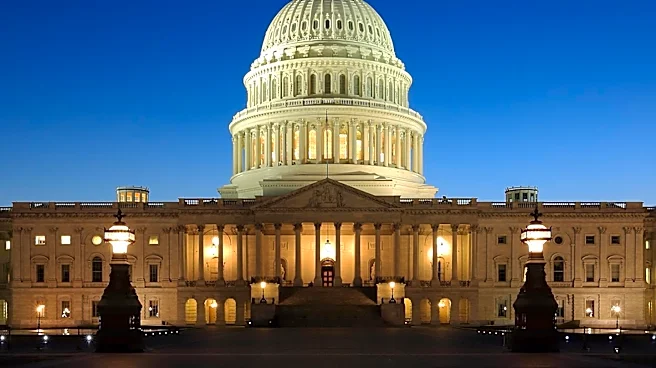
The U.S. House of Representatives has overwhelmingly passed H.R. 9340, known as the Ratepayer Protection Act, with a vote of 417 to 3. This bipartisan legislation, introduced by Representative Gabe Evans (R-Colo.) and Representative Kathy Castor (D-Fla.),
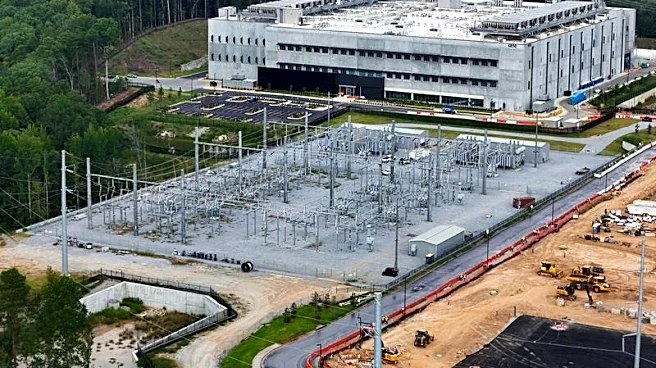
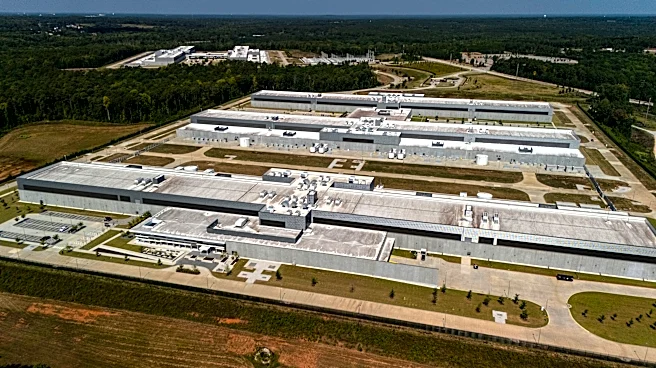
aims to ensure that large-scale data centers and computing facilities bear the full financial responsibility for the electrical grid upgrades required to power their operations. The bill amends the Public Utility Regulatory Policies Act of 1978. Under this new federal standard, electric utilities would be mandated to structure rates for large-load customers to recover the complete, incremental costs of any generation, transmission, or distribution upgrades necessary to meet their demand. A large-load customer is defined as a non-residential electric consumer operating information technology infrastructure with a peak electric demand of 100 megawatts or more at a single site or campus. Furthermore, utilities would be required to secure financial assurances or upfront contributions before making system upgrades, preventing the shifting of infrastructure costs onto residential ratepayers if a large facility reduces power consumption or terminates its agreement. This move comes amidst growing concerns about the energy demands of the artificial intelligence boom and its potential impact on utility costs for ordinary citizens.
Why It's Important?
This legislation is significant because it addresses a critical issue of cost allocation in the rapidly expanding energy sector, particularly with the rise of data centers and AI technologies. By mandating that large-load data centers cover the full costs of system upgrades they necessitate, the act aims to protect residential and small business ratepayers from potentially higher electricity bills. This is crucial as the energy demands of data centers continue to grow, placing increased strain on existing electrical grids. The bipartisan support for the bill, with a near-unanimous vote, underscores a broad consensus in Congress regarding the need to safeguard consumers from the financial burdens associated with industrial energy consumption. It sets a precedent for how the U.S. will manage the energy infrastructure challenges posed by technological advancements, ensuring that the economic benefits of these advancements do not disproportionately fall on the shoulders of everyday citizens. The bill's passage also reflects a growing awareness of the need for robust regulatory frameworks to manage the energy implications of the AI boom, which has become a politically sensitive issue ahead of upcoming elections.
What's Next?
Following its overwhelming passage in the House, the Ratepayer Protection Act will now move to the Senate for consideration. If passed by the Senate and signed into law, state regulatory authorities and non-regulated utilities would be required to begin formal consideration of the new standard within one year and complete its implementation within two years. This timeline suggests that the impact of the legislation on utility rate structures and data center development could be felt across the nation within the next few years. Major stakeholders, including large data center operators, electric utilities, and consumer advocacy groups, will likely closely monitor the Senate's deliberations and the subsequent implementation process. The bill's progress could also set the stage for further congressional action on artificial intelligence and its broader societal and economic impacts, as lawmakers continue to grapple with the implications of rapid technological growth. The focus will be on how effectively the Senate can navigate potential amendments and secure passage, and then how state-level bodies will interpret and enforce the new federal guidelines to protect ratepayers.
Beyond the Headlines
The Ratepayer Protection Act touches upon deeper implications concerning the equitable distribution of costs in a technologically advancing society. As artificial intelligence and data processing become more integral to the economy, the energy footprint of these industries will continue to expand. This legislation highlights a proactive approach to prevent the externalization of these costs onto the general public, fostering a more responsible growth model for energy-intensive sectors. It also raises questions about the long-term sustainability of current energy infrastructure in supporting future technological demands and the need for innovative solutions to power consumption. The act could encourage data centers to invest in more energy-efficient technologies or to seek locations with readily available and sustainable energy sources, thereby influencing regional economic development and environmental policies. Furthermore, it underscores the evolving role of government in regulating emerging technologies to ensure they benefit society broadly without creating undue burdens on specific segments of the population, particularly in the context of essential services like electricity.