






What's Happening?
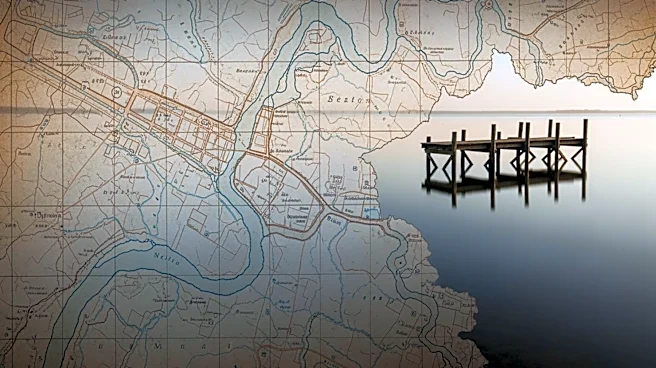
Kaskaskia, once the capital of the Illinois Territory and the first state capital when Illinois joined the union in 1818, is now a shadow of its former self. The town, which was a political and economic hub, has seen a dramatic decline over the past 200
years. Today, only a few residents remain, and much of its historical significance is no longer visible. The story of Kaskaskia is explored in the book 'Kaskaskia: The Lost Capital of Illinois,' which details the factors leading to its decline. The town's history is a poignant reminder of the changing fortunes of communities over time.
Why It's Important?
The decline of Kaskaskia serves as a historical lesson on the impact of economic shifts and environmental changes on communities. It highlights the importance of preserving historical sites and narratives to understand the evolution of regions and their cultural heritage. The story of Kaskaskia is relevant for discussions on urban planning, historical preservation, and the socio-economic factors that contribute to the rise and fall of towns. It also underscores the need for proactive measures to support struggling communities and maintain their historical significance.
Beyond the Headlines
Kaskaskia's story raises questions about the sustainability of small towns and the challenges they face in maintaining relevance in modern times. The town's decline is a case study in the effects of economic centralization and environmental changes, such as flooding, which have contributed to its isolation. The preservation of Kaskaskia's history is crucial for understanding the broader narrative of Illinois and the Midwest. Efforts to document and share the town's story can provide valuable insights into the resilience and adaptability of communities facing similar challenges.