





What's Happening?
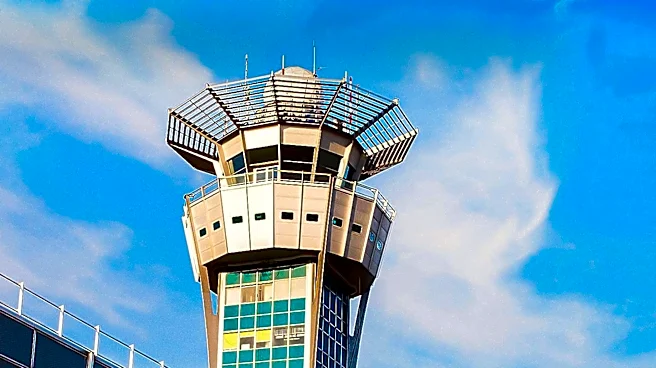
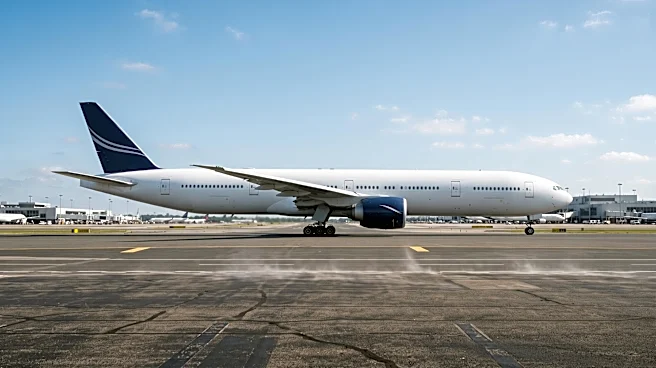
The Federal Aviation Administration (FAA) has lifted its nationwide ground stop, which had halted all U.S. flights on Friday, November 13, 2026. The ground stop was initially issued due to "extraordinary circumstances and for reasons of safety," with
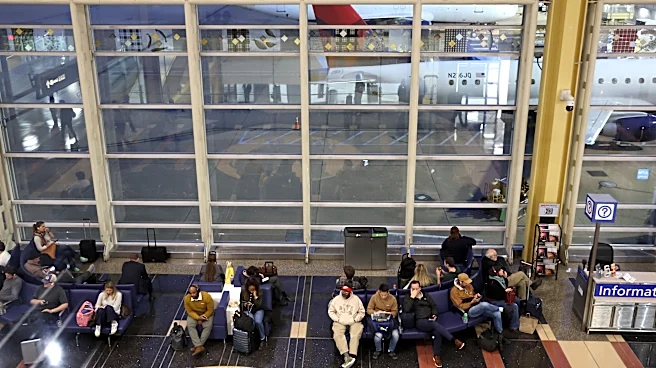
a communications problem impacting Air Route Traffic Control Centers identified as the cause. While the nationwide restriction was in effect, Hawaii's interisland flights and some international flights departing from Honolulu continued to operate. West Coast flights to and from Hawaii were temporarily halted due to debris from a SpaceX launch, but this issue was also resolved. Airlines, including Hawaiian Airlines and Alaska Airlines, are now working to accommodate passengers, with the Hawaii Department of Transportation (HDOT) advising travelers to expect delays.
Why It's Important?
The FAA's nationwide ground stop underscores the fragility of critical infrastructure and its profound impact on the U.S. economy and daily life. Such disruptions can lead to significant financial losses for airlines, businesses, and individuals, affecting supply chains, tourism, and scheduled events. The incident highlights the need for robust and resilient air traffic control systems to prevent widespread operational failures. For Hawaii, the ability to maintain interisland and some international flights during a national crisis demonstrates the unique operational protocols in place for the state, which relies heavily on air travel for connectivity and commerce. The subsequent delays, however, will still impact thousands of travelers and require extensive logistical coordination from airlines.
What's Next?
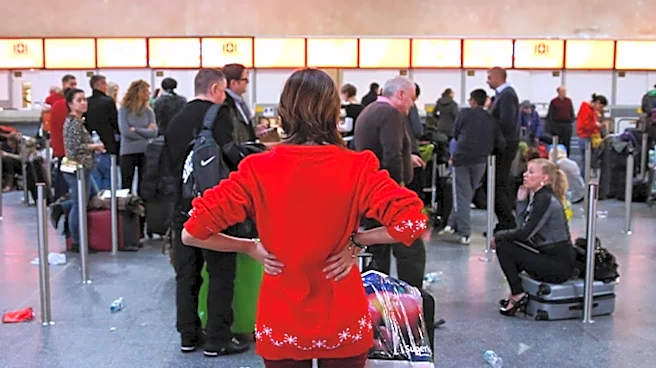
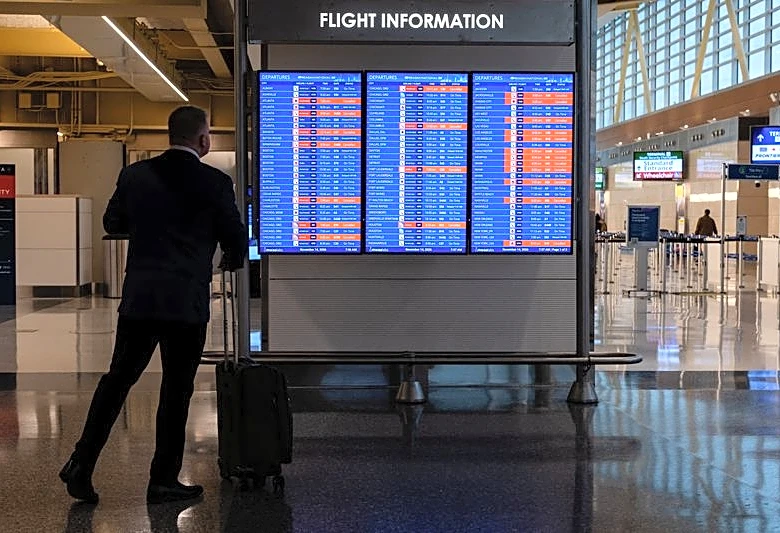
Airlines are now focused on restoring their flight schedules and managing the operational challenges caused by the ground stop. Passengers are strongly advised to check their flight status directly with their carriers before heading to the airport, as delays and cancellations are anticipated while airlines work to reposition aircraft and crews. The FAA is expected to conduct a thorough investigation into the communications problem that led to the ground stop to implement corrective measures. This event may also prompt a review of emergency protocols and communication systems within the national air traffic control network to enhance its resilience against future disruptions.
Beyond the Headlines
This incident brings to light the intricate dependencies within the modern air travel ecosystem, where a single point of failure in a critical system can cascade into a national crisis. The mention of SpaceX debris as a contributing factor, even if temporary, points to the increasing complexity of airspace management with the rise of commercial space operations. This could lead to calls for more integrated and dynamic airspace management systems that can account for both traditional aviation and new space-based activities. Furthermore, the event serves as a stark reminder of the human element in these systems, as airline staff and air traffic controllers work tirelessly to mitigate the impact on travelers and ensure safety.