







What's Happening?
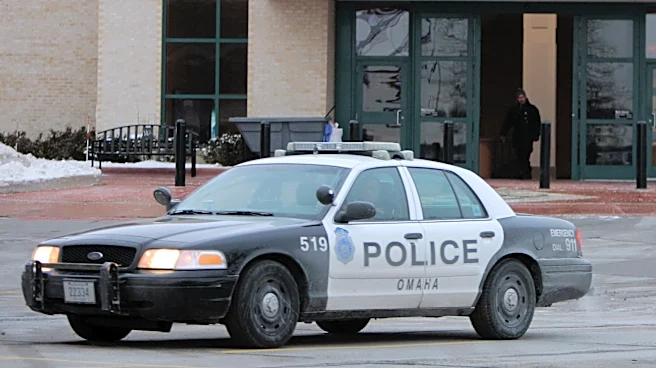
The Omaha Public Schools (OPS), Nebraska's largest school district, has formally requested that Omaha police officers serving as school resource officers (SROs) cease using electric shock gloves on students. This decision came after community backlash
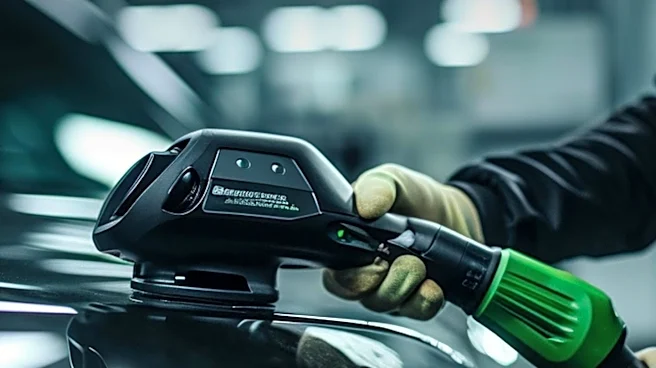
and a request from Superintendent Matthew Ray, who stated he had only recently learned about the gloves. The Omaha mayor and police chief initially defended the gloves, known as G.L.O.V.E.s (Generated Low Output Voltage Emitters), as a safe use-of-force option, noting they were used twice in OPS during the last school year, including once on a student with learning deficits. However, Omaha police have agreed to adhere to the district's request. The suburban Bellevue police department, which patrols two Omaha schools, stated its officers would continue to carry the gloves, citing their effectiveness and safety.
Why It's Important?
This development highlights a significant debate over the appropriate use of force by law enforcement in school environments and the potential impact on student well-being, particularly for vulnerable populations like students with disabilities. The controversy underscores the tension between maintaining school safety and ensuring a supportive, non-punitive educational atmosphere. The use of electric shock devices on students, even as a 'less-lethal' option, raises ethical concerns about student rights, potential trauma, and the role of police in schools. This decision by OPS could influence other school districts nationwide to re-evaluate their policies regarding police equipment and tactics, potentially leading to a broader shift towards de-escalation techniques and alternative disciplinary approaches in schools.
What's Next?
Omaha police SROs will no longer use electric shock gloves in OPS schools, though they will continue to carry other tools like tasers, batons, OC spray, and firearms. The Bellevue police department will continue to use the gloves in the schools they patrol. This divergence in policy within the same metropolitan area could lead to further discussions and potential policy changes across other districts. Advocacy groups and community members will likely continue to monitor the situation and push for consistent, student-centered approaches to school safety that prioritize de-escalation and minimize the use of force.
Beyond the Headlines
The debate over electric shock gloves in schools delves into deeper questions about the 'school-to-prison pipeline' and the criminalization of student behavior. The use of such devices, particularly on students with special needs, raises concerns about disproportionate discipline and the potential for long-term psychological harm. This incident prompts a critical examination of the role of SROs, their training, and the types of interventions deemed appropriate within an educational setting. It also highlights the importance of transparency and communication between school administrations, law enforcement, and the community regarding safety protocols. The differing stances of the Omaha and Bellevue police departments underscore the lack of a unified national standard for police conduct in schools, suggesting a need for broader policy discussions and guidelines to ensure equitable and humane treatment of all students.