
What's Happening?
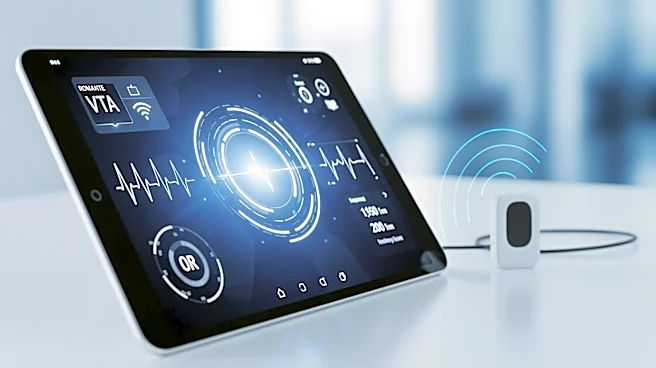
Remote Patient Monitoring (RPM) is being highlighted as a critical tool to address staffing shortages in the U.S. healthcare system. RPM allows healthcare providers to monitor patients' vital signs remotely,
enabling early detection of potential health issues and reducing the need for in-person visits. This technology not only improves patient outcomes but also alleviates the burden on overworked healthcare professionals. By integrating RPM into existing workflows, healthcare providers can extend their reach and focus on patients who require immediate attention, thus enhancing the overall efficiency of healthcare delivery.
Why It's Important?
The adoption of RPM is crucial in the context of ongoing staffing shortages in the healthcare sector. With hospitals facing increased patient volumes and a shrinking workforce, RPM offers a scalable solution to maintain high-quality care without overburdening clinical staff. This technology supports proactive healthcare management, reducing hospital readmissions and emergency room visits, which are costly and resource-intensive. By improving operational efficiency and patient engagement, RPM contributes to a more sustainable healthcare system, ensuring that patients receive timely and effective care.