





What's Happening?
The Democratic Republic of the Congo (DRC) has announced a new agreement with the United States to temporarily host third-country nationals transferred under U.S. migration arrangements. This initiative, set to begin in April, involves designated sites
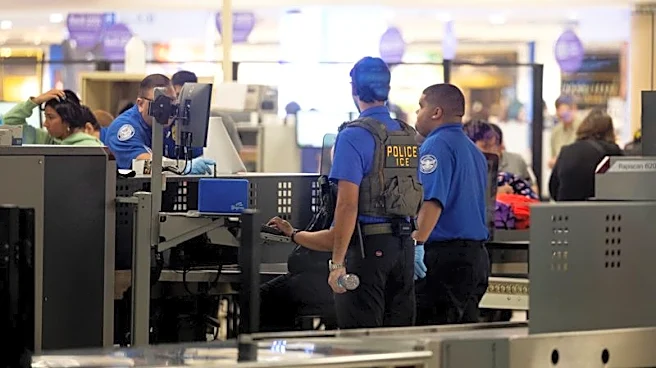
within Kinshasa to accommodate these individuals. The DRC government emphasizes that this mechanism is temporary and aligns with its international commitments to migrant protection. The U.S. will manage all logistical and financial aspects, ensuring no financial burden falls on the DRC. This move is part of a broader strategy by the U.S. to expand deportation options by partnering with third countries willing to temporarily receive migrants who cannot be immediately repatriated to their countries of origin.
Why It's Important?
This agreement highlights the U.S. administration's efforts to address challenges in deportation processes, particularly when origin countries delay or refuse to accept returns. By partnering with countries like the DRC, the U.S. aims to streamline deportation logistics and reduce bottlenecks. However, this strategy raises concerns about transparency, legal safeguards, and the long-term implications for host nations already facing complex humanitarian pressures. For the DRC, the arrangement underscores its diplomatic balancing act between maintaining international relations and addressing domestic sensitivities around migration.
What's Next?
The DRC's agreement with the U.S. could serve as a model for similar arrangements with other African nations. As the program unfolds, both countries will likely monitor its impact on migration management and bilateral relations. The DRC will conduct individual reviews of each case under its laws, ensuring no automatic transfer or permanent residency provisions. The success of this initiative may influence future U.S. migration policies and partnerships with other countries willing to participate in similar agreements.