





What's Happening?
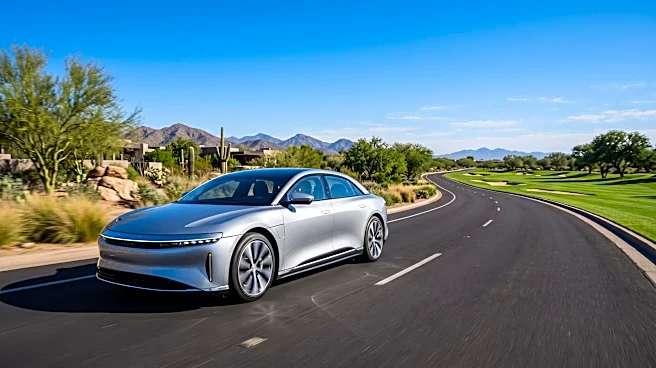
WalletHub has released a study ranking 100 of the largest U.S. cities to determine the best and worst places for drivers. Scottsdale, Arizona, secured the top position, recognized for its outstanding safety ratings and efficient traffic infrastructure.
Following Scottsdale in the top five are Boise, Idaho; Fort Wayne, Indiana; Lincoln, Nebraska; and Corpus Christi, Texas. These cities are noted for affordable vehicle maintenance, manageable commute times, and accident rates significantly below national averages. Conversely, Philadelphia, Pennsylvania, was identified as the single worst city for drivers due to severe traffic gridlock, poor road conditions, and high safety risks. Other cities at the bottom of the ranking include Washington, D.C., Los Angeles, California, New York, and Detroit, Michigan, where drivers contend with substantial ownership costs, persistent congestion, and limited access to auto-repair services and parking. The study considered 30 key metrics across four main categories: cost of ownership and maintenance, traffic and infrastructure, safety, and access to vehicles and maintenance. Approximately 87% of daily American trips are made in personal vehicles, with drivers spending nearly 370 annual hours and about $894 per year on wasted fuel and traffic delays.
Why It's Important?
This WalletHub study provides a comprehensive snapshot of the driving experience across major U.S. cities, highlighting significant disparities in infrastructure, safety, and cost. For residents, these rankings directly impact daily commutes, personal finances, and overall quality of life. Cities with better driving conditions, like Scottsdale, can attract new residents and businesses, benefiting from reduced stress for commuters, lower transportation costs, and enhanced safety. Conversely, cities at the bottom of the list, such as Philadelphia and Los Angeles, face challenges that can deter economic growth and negatively affect public health due to prolonged exposure to traffic and pollution. The findings underscore the importance of urban planning and investment in infrastructure to alleviate congestion, improve road quality, and enhance safety. For policymakers, the report serves as a benchmark, identifying areas where improvements are most needed and where successful strategies could be replicated. The economic implications are substantial, as inefficient transportation systems lead to significant financial losses for individuals and businesses through wasted time and fuel.
What's Next?
The WalletHub report could prompt city administrations in lower-ranked areas to re-evaluate their urban planning and infrastructure investment strategies. Mayors and city councils might consider initiatives aimed at reducing traffic congestion, improving road maintenance, and enhancing public safety for drivers. This could involve exploring intelligent transport systems, investing in public transportation alternatives, or implementing policies to manage parking and auto-repair accessibility. For example, cities like Philadelphia, Washington, D.C., and New York might face increased pressure from residents and advocacy groups to address their persistent driving challenges. Conversely, top-ranked cities like Scottsdale and Boise may leverage these findings in their marketing efforts to attract new residents and businesses, emphasizing their superior infrastructure and quality of life. The study also provides valuable data for consumers, influencing decisions on where to live or relocate based on driving conditions and associated costs. Future studies may track changes in these rankings, reflecting the impact of ongoing urban development and policy changes.
Beyond the Headlines
Beyond the immediate implications for drivers and urban planning, this study touches upon broader societal trends related to urban sprawl, environmental impact, and public health. The reliance on personal vehicles, with 87% of daily American trips occurring in them, highlights a persistent challenge in shifting towards more sustainable transportation methods. The significant annual hours and financial costs associated with traffic delays and wasted fuel contribute to carbon emissions and economic inefficiency. The disparities in road quality and safety also raise questions about equitable access to well-maintained infrastructure across different urban areas. Furthermore, the study implicitly points to the need for integrated urban development that considers not just vehicle flow but also pedestrian and cyclist safety, and the availability of public transit. The long-term shift towards more accessible and multimodal lifestyles, as suggested by broader research on congestion, could be a key strategy for cities to improve their rankings and enhance overall urban livability, moving beyond a car-centric approach to city design.