





What's Happening?
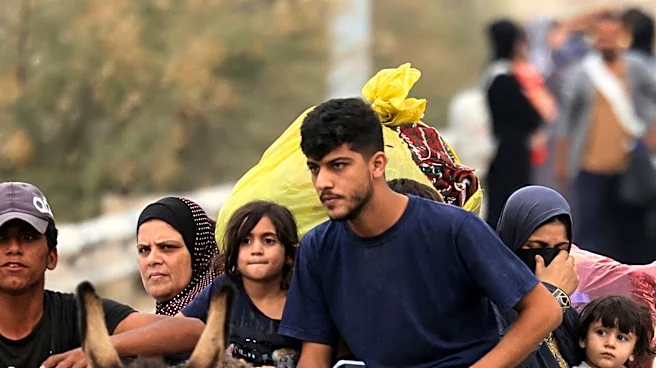
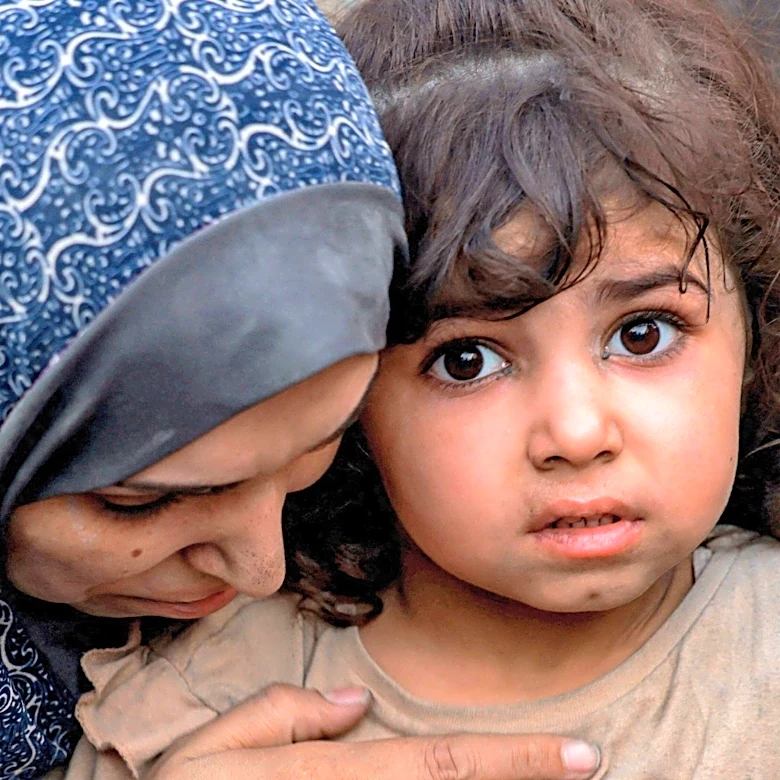
The Bait Lahia Development Association has finished distributing cash assistance to 600 displaced and affected households in the Gaza Strip. Each household received a one-time grant of NIS 1,250. This initiative, supported by the Humanitarian Fund for
the occupied Palestinian Territory (oPt HF) – United Nations OCHA, aims to help families meet their basic needs amidst challenging humanitarian conditions. The beneficiary households were located across Gaza City (240), Bait Lahia City (180), and Jabalia Camp (180). Prior to the disbursement, 20 orientation sessions were conducted for beneficiaries, focusing on E-Payment mechanisms, safe use of cash assistance, protection principles, and mechanisms for complaints and feedback. The distribution process adhered to principles of fairness, transparency, and privacy, with monitoring to ensure aid delivery and accountability.
Why It's Important?
This cash assistance program is crucial for providing immediate relief and restoring a degree of dignity to displaced families in Gaza. By offering multi-purpose cash grants, the initiative allows households the flexibility to prioritize and purchase their most urgent needs, rather than receiving pre-determined aid packages. This approach empowers beneficiaries to make decisions based on their specific circumstances, which is vital in a region facing severe humanitarian challenges. The emphasis on transparency, privacy, and accountability in the distribution process helps build trust and ensures that the aid reaches its intended recipients effectively. Furthermore, the orientation sessions equip beneficiaries with essential knowledge regarding financial literacy and protection against exploitation, contributing to their overall well-being and resilience.
What's Next?
The Bait Lahia Development Association views this multi-purpose cash assistance as more than just an emergency response; it is a strategy to protect the dignity of households and grant them decision-making freedom regarding their urgent needs. While the immediate distribution is complete, the ongoing humanitarian crisis in the Gaza Strip suggests a continued need for such interventions. Future efforts will likely focus on sustained support for displaced populations, potentially through similar cash assistance programs or other forms of aid that prioritize beneficiary autonomy and dignity. The success of this project may also inform future humanitarian strategies in the region, encouraging a shift towards more flexible and empowering aid models.
Beyond the Headlines
The provision of cash assistance in humanitarian crises like that in Gaza highlights a broader shift in aid delivery, moving from in-kind donations to direct financial support. This approach acknowledges the complex and varied needs of affected populations, recognizing that local markets, even in crisis zones, can often provide necessary goods if people have the means to purchase them. Ethically, it respects the agency of individuals, allowing them to define their own priorities and make choices that best suit their families. This method also potentially stimulates local economies, as cash is spent within the community. However, it also necessitates robust monitoring and accountability mechanisms to prevent misuse and ensure equitable distribution, as demonstrated by the orientation sessions and strict procedures implemented by the Bait Lahia Development Association.