





What's Happening?
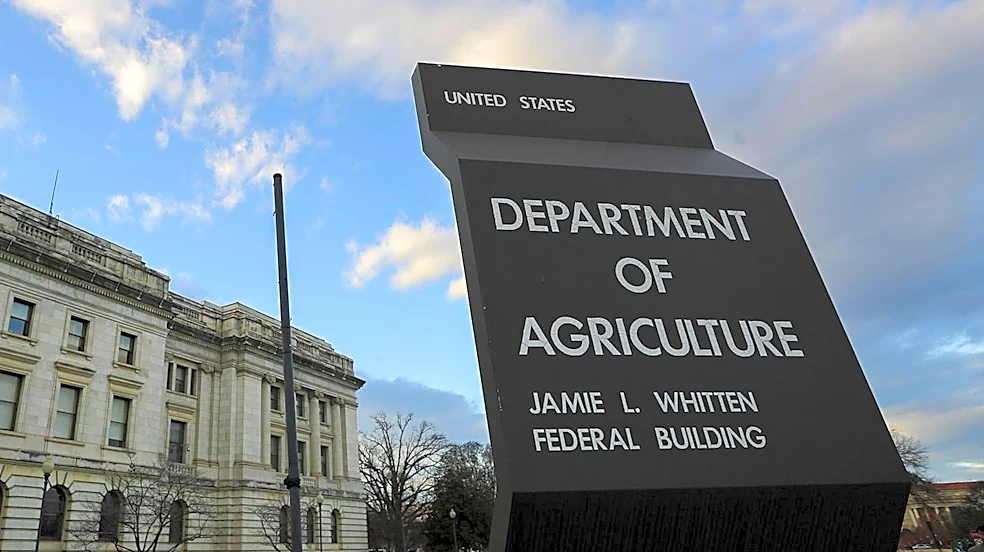
Oregon's congressional delegation has formally requested that the U.S. Department of Agriculture (USDA) include the state's hazelnut industry in its Section 32 purchase program. This appeal, led by U.S. Senator Jeff Merkley and co-signed by Senator Ron
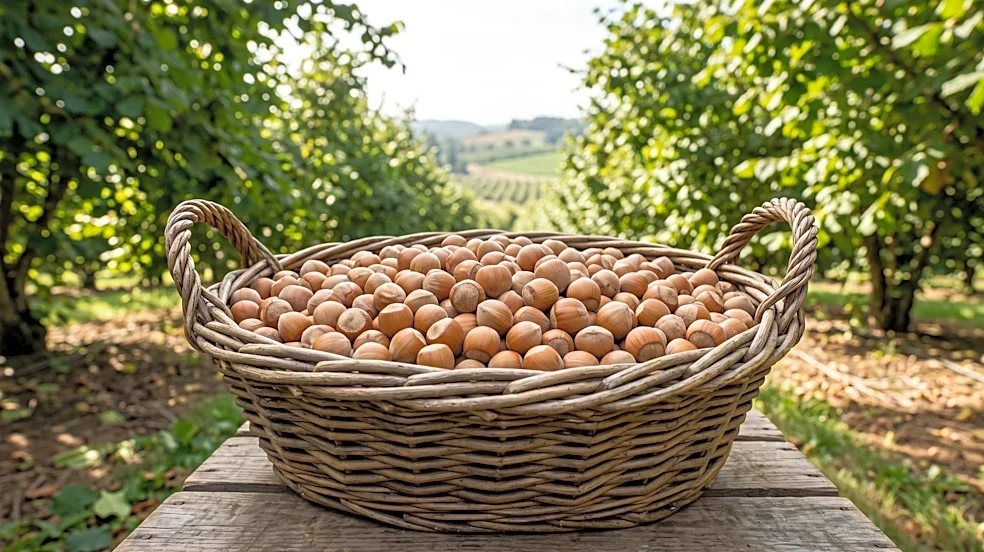
Wyden and Representatives Suzanne Bonamici, Andrea Salinas, Maxine Dexter, Janelle Bynum, and Val Hoyle, was sent to USDA Secretary Brooke Rollins on October 13. The lawmakers cited significant disruptions in export markets and economic uncertainty as primary reasons for their request. Oregon is responsible for approximately 99% of U.S. hazelnut cultivation, with the industry valued at an estimated US$340 million in 2025, largely concentrated in the Willamette Valley. The Section 32 program, established during the Great Depression, allows the federal government to purchase agricultural commodities to stabilize markets, with purchased products then distributed through federal nutrition programs like school meals and emergency food assistance.
Why It's Important?
The inclusion of Oregon hazelnuts in the Section 32 program is crucial for the state's agricultural economy, which heavily relies on this crop. The industry has faced considerable challenges due to disruptions in export markets, including retaliatory tariffs imposed by countries like China in response to U.S. trade measures. These disruptions have particularly impacted certain hazelnut kernel sizes and grades, which, despite being high-quality, have fewer commercial outlets. Without federal intervention, these market imbalances could lead to product surpluses, increased pressure on farmers and producers, and threaten the livelihoods of many in Oregon's agricultural communities. Federal purchases would help absorb surplus hazelnuts, providing much-needed stability and support to growers and processors, thereby mitigating economic uncertainty in a vital sector of the state's economy.
What's Next?
The USDA will now consider the request from Oregon's congressional delegation to include hazelnuts in the Section 32 purchase program. If approved, the federal government would begin purchasing surplus hazelnuts, which would then be distributed through various federal nutrition initiatives. This action would likely provide immediate relief to Oregon's hazelnut growers and processors by reducing market pressure and stabilizing prices. Stakeholders, including farmers, agricultural associations, and state political leaders, will be closely monitoring the USDA's decision. A positive response could set a precedent for other agricultural sectors facing similar export market challenges, potentially leading to broader applications of the Section 32 program to support U.S. farmers during periods of economic instability.
Beyond the Headlines
The situation with Oregon's hazelnut industry highlights broader vulnerabilities within U.S. agricultural sectors that are heavily reliant on international trade. The impact of retaliatory tariffs and global market fluctuations can have profound effects on local economies, underscoring the interconnectedness of global trade policies and domestic agricultural stability. This reliance on federal programs like Section 32 also raises questions about long-term strategies for agricultural resilience and diversification of export markets. Furthermore, the distribution of purchased hazelnuts through federal nutrition programs emphasizes the dual benefit of such interventions: supporting farmers while simultaneously addressing food insecurity within the U.S. This approach reflects a historical precedent of using agricultural policy to achieve both economic stability for producers and social welfare objectives.