


What's Happening?
In London, a significant protest has emerged against the proposed construction of a new Chinese embassy, which is set to be the largest in Europe. The demonstration, led by Britain's main opposition leader, Conservative Party leader Kemi Badenoch, took
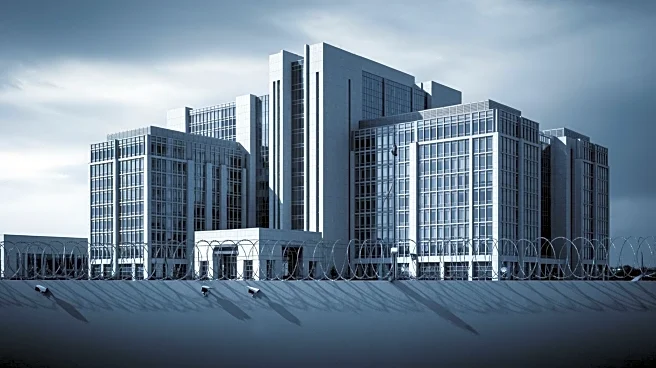
place just days before the government is expected to make a decision on the project. The proposed embassy, located on the former site of the Royal Mint near Tower Bridge, has been delayed for seven years due to legal challenges and security concerns. Critics argue that the embassy could serve as a base for espionage and the surveillance of Chinese dissidents in exile. Despite these concerns, the UK government is anticipated to approve the project, which would consolidate China's current diplomatic premises in London into one site. British Prime Minister Keir Starmer has emphasized the importance of maintaining diplomatic dialogue with China while ensuring national security.
Why It's Important?
The decision on the Chinese embassy in London holds significant implications for UK-China relations and broader geopolitical dynamics. Approving the embassy could facilitate diplomatic engagement and potentially lead to an expansion of the UK Embassy in Beijing. However, the project has raised national security concerns, with warnings from UK intelligence about potential espionage activities. The situation underscores the delicate balance between fostering international relations and safeguarding national security. The outcome of this decision could influence the UK's diplomatic strategy and its approach to managing relations with major global powers like China.
What's Next?
The UK government is expected to announce its decision on the embassy project by Tuesday. If approved, the development could pave the way for a visit by Prime Minister Starmer to China, signaling a potential thaw in diplomatic relations. However, the decision may also provoke further debate and scrutiny from political leaders and security experts concerned about the implications for national security. The response from China, which has criticized the delays as politicization, will also be a key factor in the evolving diplomatic landscape.