




What's Happening?
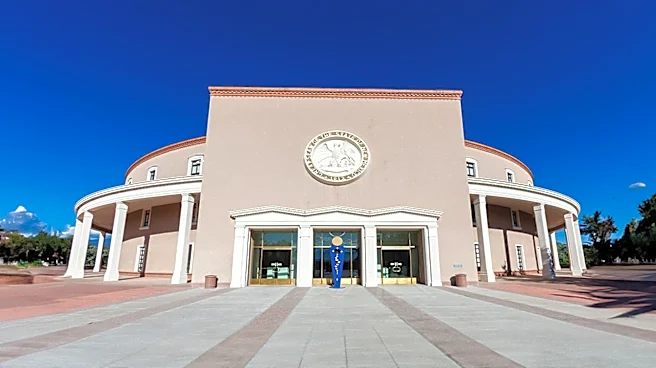
The New Mexico Legislature has enacted significant reforms to its capital outlay process and made substantial investments across various sectors. During the recent 30-day session, lawmakers appropriated over $4 billion for community infrastructure and housing.
This includes $1.5 billion for roads, $1.25 billion for hundreds of construction projects statewide, $546 million for a new University of New Mexico medical school, and $175 million for housing initiatives, such as zero-interest starter home loans. A key legislative achievement was the passage of capital outlay reform bills designed to overhaul the distribution of funds for projects. This reform aims to address the state's ongoing issue of appropriating money to projects that often make little progress, with approximately $7 billion currently authorized for mostly idle projects. Additionally, the legislature made childcare free for all New Mexico families and took steps to alleviate the healthcare provider shortage through interstate licensing compacts for doctors and social workers, tax credits for physicians, medical malpractice reform, loan repayment for medical school graduates, and expansion of medical school facilities.
Why It's Important?
These legislative actions are crucial for New Mexico's long-term economic stability and community resilience. The capital outlay reforms are particularly significant as they seek to improve the efficiency and impact of state spending, ensuring taxpayer dollars are used effectively rather than remaining tied up in stalled projects. This could lead to more timely completion of essential infrastructure, benefiting communities across the state. The substantial investments in roads, construction, and housing are expected to stimulate economic activity and improve the quality of life for residents. Furthermore, making childcare free for all families addresses a critical need, potentially boosting workforce participation and reducing financial burdens on households. Efforts to combat the healthcare provider shortage, through various incentives and reforms, are vital for improving access to medical care, especially in rural and underserved areas, thereby enhancing public health outcomes statewide.
What's Next?
The immediate next steps involve the successful implementation of these newly funded programs and reformed processes. State agencies and local communities will need to engage in thoughtful and strategic planning to ensure that the allocated funds translate into tangible results. The effectiveness of the capital outlay reforms will be closely monitored as projects move forward, with an emphasis on analyzing long-term costs and benefits to ensure efficient spending. Continued oversight will be necessary to track the progress of infrastructure projects, the impact of housing initiatives, and the effectiveness of healthcare provider recruitment and retention efforts. Stakeholders, including state senators, community leaders, and residents, will likely be observing how these investments contribute to strengthening economic stability and modernizing infrastructure across New Mexico, especially as the economy slows and federal funding for certain programs faces reductions.
Beyond the Headlines
Beyond the immediate benefits, these legislative actions signal a strategic shift towards building systemic resilience within New Mexico. The foresight to constrain ongoing spending and invest windfall revenues from a strong oil and gas industry into trust funds for early childhood programs, healthcare, and natural resources demonstrates a long-term vision for sustained public services. This approach aims to insulate the state from external economic shocks and federal policy changes, providing a stable foundation for future generations. The emphasis on efficient implementation and impact analysis reflects a commitment to fiscal responsibility and accountability, which could set a precedent for other states facing similar challenges with project funding and resource allocation. Ultimately, these measures aim to ensure that every New Mexican, regardless of their location, has access to the resources needed to thrive, fostering a more equitable and prosperous state.