


What's Happening?
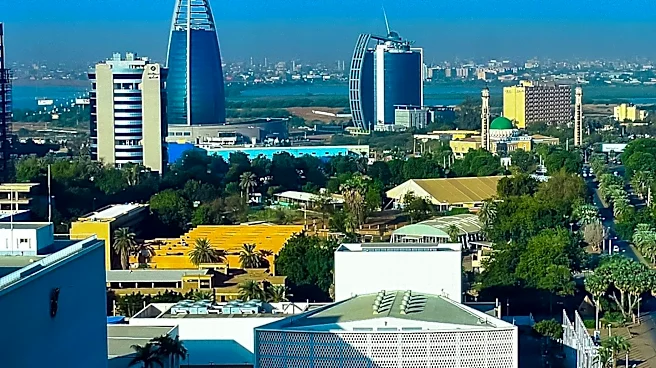
Abeer Ibrahim, a Sudanese professor specializing in artificial intelligence, has found a new life and research position at Carleton University in Ottawa, Canada, after fleeing the civil war in Sudan. The conflict, which began in April 2023 between the Sudanese Armed
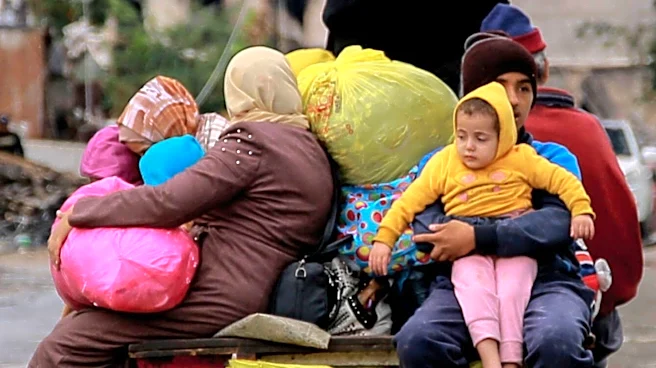
Forces and the paramilitary Rapid Support Forces (RSF), has led to the displacement of an estimated 13 million people, making it one of the world's worst humanitarian disasters. Ms. Ibrahim, formerly head of the communication and computer engineering department at the Academy of Engineering and Medical Sciences in Khartoum, endured a perilous five-day journey with her three children from Khartoum to Port Sudan, navigating 19 checkpoints and facing constant threats. Her escape was facilitated by a global organization assisting scholars in war zones, a charity helping skilled refugees in Canada, and dedicated managers at Carleton University. She is now a visiting professor in Carleton’s computer engineering department, researching cybersecurity and machine learning.
Why It's Important?
This story highlights the severe human cost of ongoing conflicts, particularly on intellectual and professional communities, and the critical role international support systems play in mitigating these impacts. The displacement of highly skilled individuals like Ms. Ibrahim represents a significant brain drain for war-torn nations but also an opportunity for host countries like Canada to benefit from their expertise. Her integration into AI research in Ottawa underscores Canada's commitment to supporting refugees and leveraging global talent, particularly in cutting-edge fields. The challenges she faced, including navigating numerous checkpoints and the constant fear of being identified as a spy, illustrate the extreme dangers civilians encounter in conflict zones. Her journey also sheds light on the broader humanitarian crisis in Sudan, where millions are displaced and basic services are severely disrupted, emphasizing the urgent need for international attention and resolution.
What's Next?
Ms. Ibrahim's two-year visiting professorship at Carleton University will allow her to establish herself in Canada and continue her academic career, building on her teaching experience. Her husband has also joined Carleton University as an instructor in the computer engineering department, further solidifying their new life in Ottawa. The family is adapting to Canadian life, with her children eagerly anticipating winter activities like playing hockey. While her current position is not a long-term solution for an academic career in Canada, it provides a crucial stepping stone. The ongoing civil war in Sudan continues to displace millions, and the international community will likely face continued pressure to provide humanitarian aid and facilitate peace efforts. Organizations supporting displaced scholars will remain vital in helping others like Ms. Ibrahim find safe havens and continue their contributions to global knowledge.
Beyond the Headlines
Ms. Ibrahim's experience underscores the broader ethical and societal implications of global conflicts, particularly the disruption of education and scientific advancement. The targeting of intellectuals and doctors, as seen with her cousin's kidnapping, reveals a deliberate strategy to dismantle societal infrastructure and control information. Her story also highlights the resilience of individuals in the face of unimaginable adversity and the profound impact of international collaboration in humanitarian efforts. The integration of displaced scholars into academic institutions in host countries not only enriches the intellectual landscape but also fosters cultural exchange and understanding. This situation prompts reflection on the responsibility of developed nations to provide refuge and opportunities for those fleeing persecution and conflict, recognizing their potential contributions to society and the global economy.