






What's Happening?
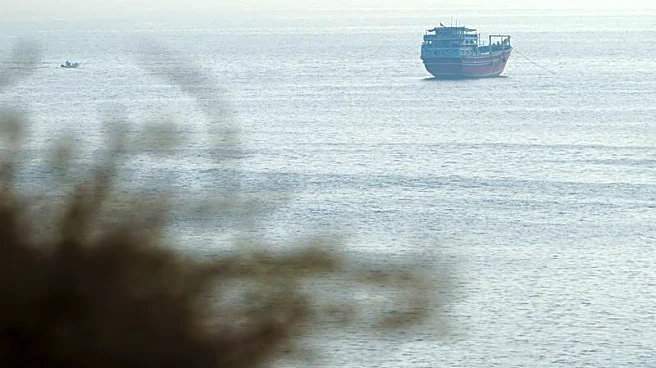
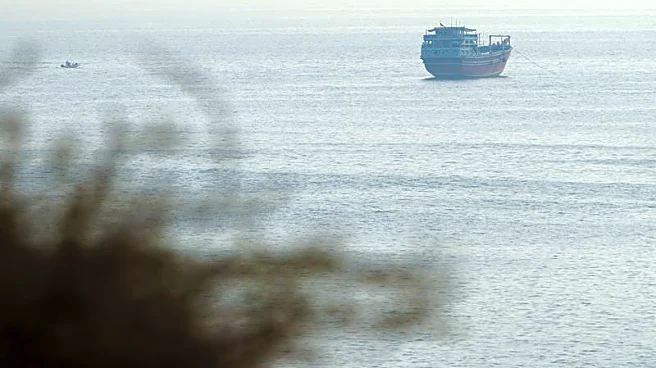
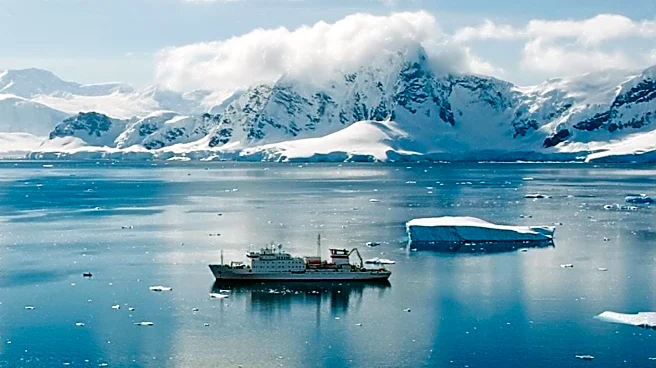
Russia has assembled a large convoy of oil tankers in the Arctic, utilizing the Northern Sea Route to expedite crude exports to Asia. This strategic move comes amid geopolitical tensions affecting traditional shipping routes, such as the Strait of Hormuz
and the Red Sea. The convoy, consisting of Suezmax, Aframax, and Medium Range tankers, is navigating the ice-covered route with the assistance of nuclear icebreakers. This year's Arctic navigation season has seen a significant increase in oil shipments compared to previous years, as Russia seeks to maximize exports before the route becomes impassable due to ice.
Why It's Important?
The use of the Northern Sea Route highlights Russia's strategic shift in response to geopolitical risks in traditional shipping corridors. By bypassing hotspots like the Strait of Hormuz, Russia aims to secure its energy exports to Asia, particularly China and India. This move underscores the growing importance of the Arctic as a viable shipping route, despite its seasonal limitations. The increased reliance on the Arctic route could influence global shipping patterns and energy markets, as well as raise environmental concerns due to the fragile Arctic ecosystem.
What's Next?
As geopolitical tensions persist, Russia is likely to continue expanding its use of the Northern Sea Route. The success of this strategy depends on maintaining navigable conditions and securing icebreaker support. Other nations may also explore Arctic routes as alternative shipping lanes, potentially leading to increased international interest and competition in the region. Environmental and regulatory challenges will need to be addressed to ensure sustainable development of Arctic shipping.