



What's Happening?
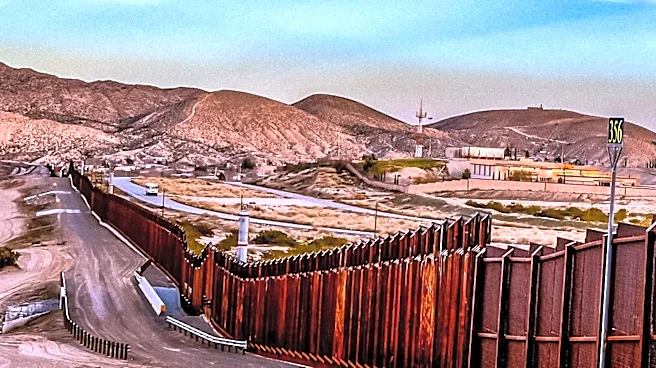
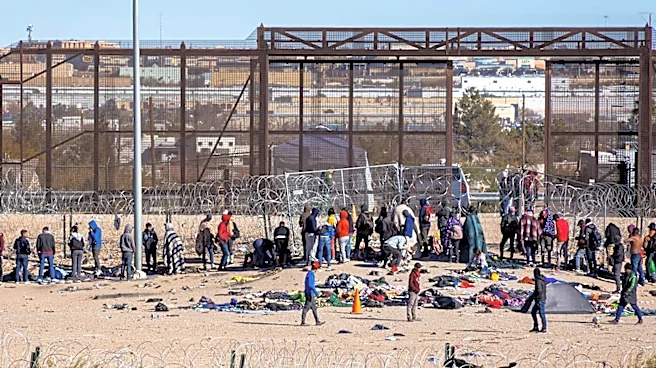
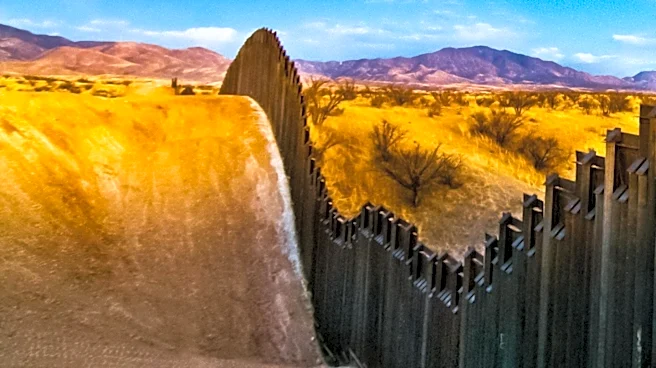
Contractors have started bulldozing parts of Big Bend National Park in Texas to construct President Trump's southwest border wall. This development has sparked significant outrage among local residents and environmental groups. The construction is part of a broader
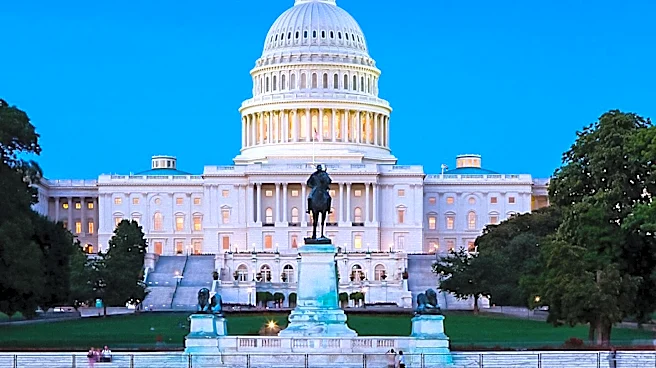
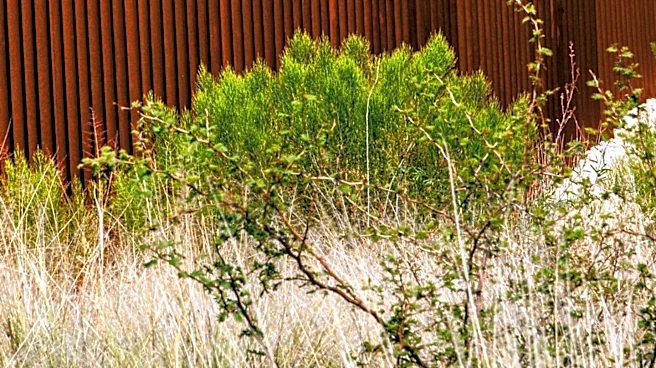
effort to enhance border security, funded by a $46.5 billion allocation from Congress. Federal officials have waived numerous environmental regulations to expedite the project, which includes building new roads for better access by Border Patrol personnel. The National Parks Conservation Association and other environmental groups have condemned the construction, citing the potential destruction of natural habitats and the park's ecological integrity.
Why It's Important?
The construction of the border wall in Big Bend National Park raises critical environmental and political issues. The project has drawn widespread criticism for its potential impact on the park's unique ecosystems and biodiversity. It also highlights the ongoing debate over immigration policy and border security in the United States. The wall's construction could disrupt local communities, tourism, and wildlife, prompting legal challenges and protests from environmentalists and local residents. This situation underscores the tension between national security priorities and environmental conservation efforts, reflecting broader societal and political divides.
What's Next?
The construction of the border wall in Big Bend National Park is likely to face continued legal challenges and public protests. Environmental groups and local residents are expected to intensify their efforts to halt the project, potentially seeking intervention from Congress or the courts. The outcome of these efforts could influence future border security policies and environmental regulations. Additionally, the project may become a focal point in upcoming political campaigns, as stakeholders debate the balance between national security and environmental preservation.