





What's Happening?
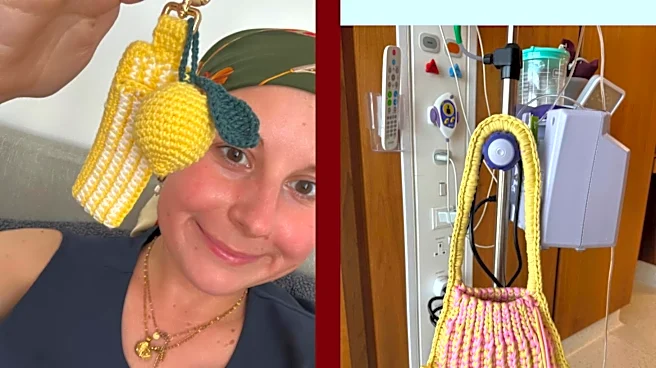
Cancer survivors are sharing their personal experiences of realizing 'something was wrong' with their bodies, leading to their cancer diagnoses. These accounts, gathered from a Reddit thread, highlight a range of initial symptoms, from subtle changes
to acute pain. For instance, one individual discovered thyroid cancer after an allergist noticed a lump during swallowing, while another found a tumor in their spinal cord due to intense leg pain. Other stories include a woman who noticed dimpling on her breast during furlough, leading to a lobular breast cancer diagnosis, and a man whose severe food poisoning led to the discovery of stage 2 clear cell renal carcinoma. These narratives underscore the varied and often unexpected ways cancer can manifest, emphasizing the importance of listening to one's body and seeking medical attention.
Why It's Important?
These personal stories are crucial for public health awareness, as they demystify the often-complex and frightening process of cancer diagnosis. By sharing diverse symptoms and the paths to diagnosis, these accounts can empower individuals to recognize potential warning signs in themselves or loved ones, encouraging earlier medical consultation. Early detection is frequently linked to more favorable treatment outcomes and improved survival rates. The narratives also shed light on the challenges patients face, such as initial misdiagnoses or the need for persistent advocacy for their health. This collective sharing fosters a sense of community among survivors and provides invaluable insights for healthcare providers on the varied presentations of cancer, potentially improving diagnostic protocols and patient care.
What's Next?
The continued sharing of such personal experiences is likely to contribute to ongoing public health campaigns aimed at increasing cancer awareness and promoting early detection. Healthcare organizations and advocacy groups may leverage these narratives to develop more targeted educational materials, highlighting less common or easily dismissed symptoms. There could also be an increased focus on patient advocacy, encouraging individuals to trust their instincts about their health and seek second opinions if necessary. For the medical community, these anecdotal insights could prompt further research into symptom recognition and diagnostic pathways, particularly for cancers that present with subtle or atypical signs. The emphasis on early detection will remain a critical component of cancer care strategies.
Beyond the Headlines
Beyond the immediate health implications, these stories reveal the profound psychological and emotional journeys of cancer survivors. The moment of realizing 'something was wrong' often marks a pivotal shift in their lives, leading to a re-evaluation of priorities and a deeper appreciation for life. Many accounts highlight the importance of family support and the resilience of the human spirit in facing life-threatening illnesses. The narratives also implicitly critique healthcare systems where initial symptoms might be overlooked, underscoring the need for comprehensive and attentive medical evaluations. Furthermore, these shared experiences contribute to destigmatizing cancer, fostering open conversations, and building a supportive community for those affected by the disease, ultimately transforming individual struggles into collective strength and knowledge.