



What's Happening?
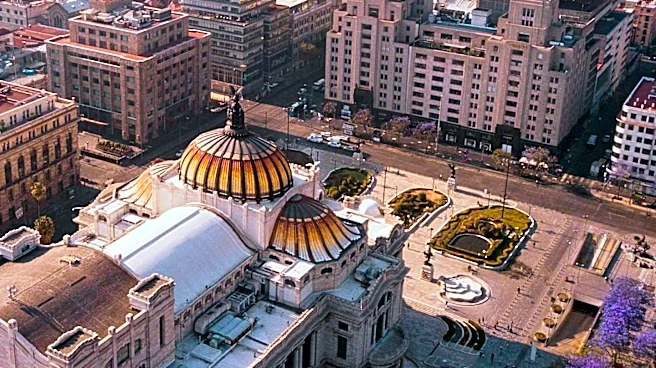
Mexico City, originally the Aztec capital Tenochtitlán built on an islet in Lake Texcoco, is currently experiencing significant subsidence. The modern metropolis, home to 22 million people, is slowly sinking into the ancient lakebed it was built upon.
This phenomenon is primarily due to the collapse of the drained aquifer beneath the city. Historically, the Mexica people developed innovative technologies like chinampas and complex freshwater systems to thrive in their aquatic environment. However, after the Spanish conquest, efforts were made to drain the lake, culminating in the Gran Canal del Desagüe in 1901. This drainage led to the city's reliance on groundwater, with approximately 70% of its drinking supply now coming from wells. Satellite radar and GPS data indicate that subsidence rates have remained steady since 1950, reaching up to 50 centimeters per year in some areas, with cumulative elevation loss nearing 39 meters in the worst-affected regions. The sinking is largely irreversible as the lakebed clay, once drained, does not regain its original volume.
Why It's Important?
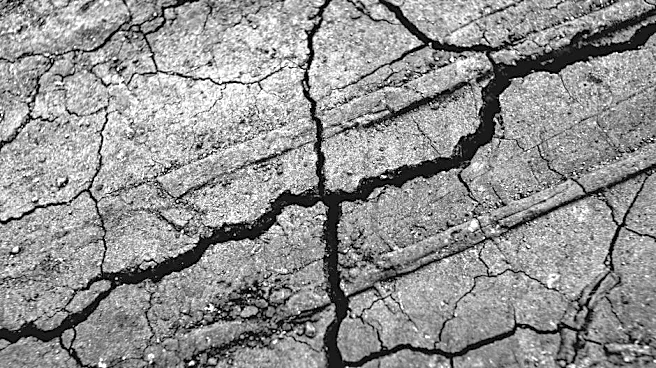
The ongoing sinking of Mexico City poses severe infrastructure challenges and long-term environmental consequences. The uneven subsidence causes streets to warp, drains to run in reverse, and subway tracks to bend, compromising the city's critical infrastructure. A 2024 study mapped these issues across the metro network, revealing track gradient shifts of up to 3.5% over 20 years, which can affect train braking systems. An overpass on Line 12 collapsed in 2021, killing 26 people, highlighting the dangers of compromised infrastructure, even if construction defects were the primary cause. Furthermore, the dropping water table has led to salty, polluted water from the clay layer draining into the city's aquifer, threatening its drinking water supply. The permanent loss of elevation also means a reduction in the aquifer's storage capacity, exacerbating water scarcity issues for the growing population.
What's Next?
Experts project that full compaction of the lakebed clay could take another 150 years, with up to 30 additional meters of subsidence still possible. While this is a projection, the underlying mechanism is not disputed. In an effort to mitigate some environmental impacts, the federal government protected 14,000 hectares of the old Texcoco lakebed in 2022, opening an ecological park in 2024. This initiative has seen lagoons reappear, with around 4,300 hectares under water after the 2025 rains, and a target of 9,000 hectares in sight. However, these efforts to restore parts of the lakebed do not prevent the historic center from continuing to sink. The city faces a dual future: a megacity grappling with geological subsidence while, at its edges, the lake quietly begins to refill, creating a complex and evolving environmental dynamic.
Beyond the Headlines
The sinking of Mexico City highlights a profound historical and environmental irony: a city that actively sought to erase its aquatic origins is now being reclaimed by them. This situation underscores the long-term consequences of large-scale environmental engineering projects that disregard natural ecosystems. The cultural identity of Mexico City, deeply rooted in its Tenochtitlán past, is intrinsically linked to its watery foundations. Archaeological evidence of the ancient city, such as chinampas in Xochimilco and underground structures, serves as a constant reminder of this heritage. The ongoing subsidence forces a re-evaluation of urban planning and resource management, particularly concerning water. It also raises ethical questions about human intervention in natural systems and the responsibility to preserve both historical identity and ecological balance for future generations. The city's struggle is a stark illustration of the interconnectedness between urban development, historical legacy, and environmental sustainability.