


What's Happening?
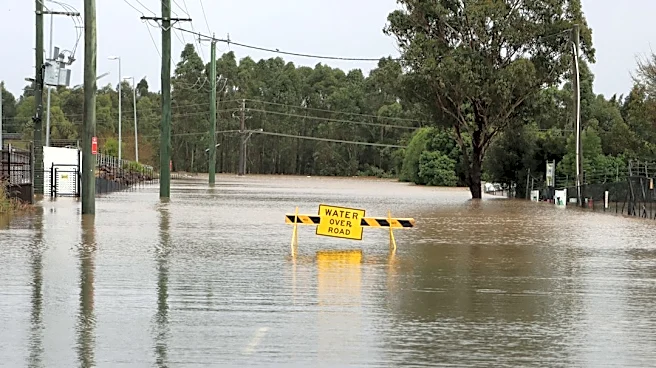
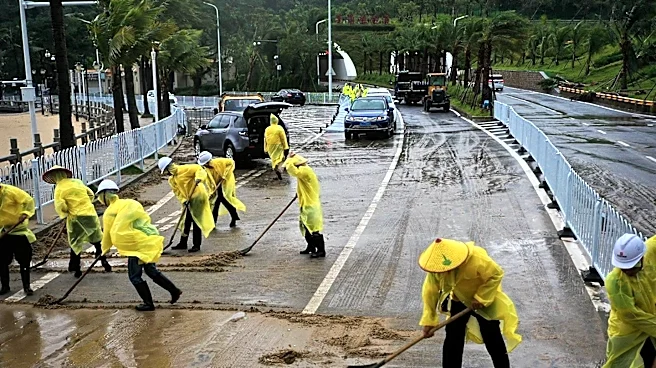
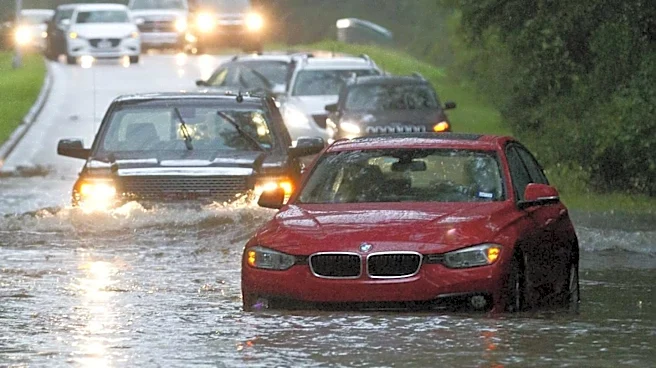
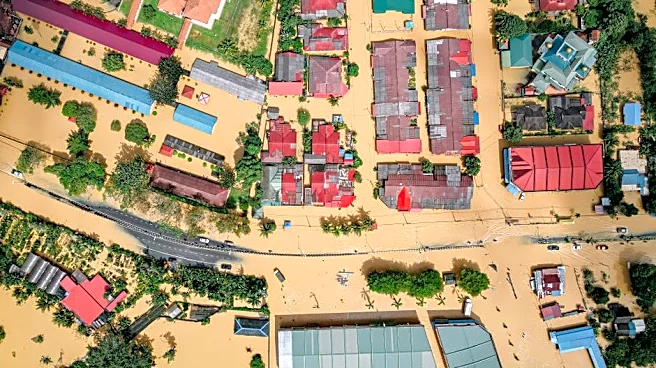
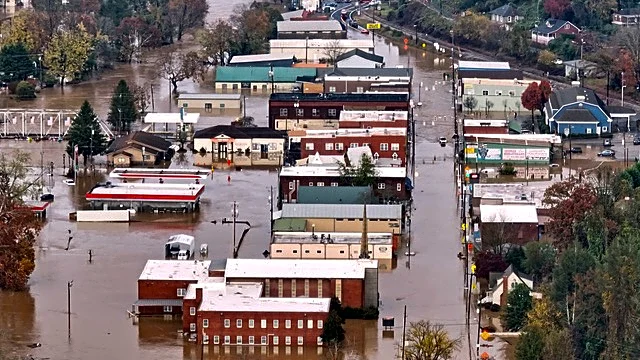
Heavy rainfall has led to extensive flooding across Falmouth and other areas of Cape Cod, Massachusetts. The deluge, which occurred on Friday, inundated numerous roads, forcing closures and causing water to enter businesses and even the Falmouth Police
Department. At Garrett’s Gas Station in Falmouth, floodwaters reached knee-level, with trash barrels floating around gas pumps, prompting employees to clear clogged drains. The business temporarily shut down due to the high water levels, which also seeped into the front of the store. Beyond businesses, residents reported water leaking into basements through low windows. Communities like Bourne experienced road closures until Saturday, and Winslow Street in Provincetown was washed out. Falmouth police reported internal flooding at their station while responding to numerous calls about flooded streets, necessitating the call-in of all available night-shift workers to manage the weather-related incidents. Authorities are urging residents to avoid unnecessary travel due to the severe conditions.
Why It's Important?
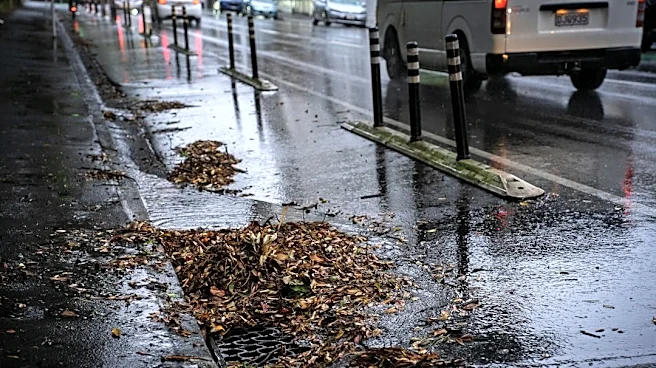
This widespread flooding highlights the vulnerability of coastal communities like Falmouth and Cape Cod to severe weather events. The disruption to local businesses, such as Garrett’s Gas Station, can lead to significant economic losses from temporary closures and potential damage, impacting local commerce and employment. The closure of major roads in Bourne and Provincetown disrupts transportation, affecting commuters, supply chains, and emergency services. Furthermore, the flooding of critical infrastructure, including the Falmouth Police Department, can impair essential public services and emergency response capabilities during a crisis. The recurring issue of clogged drains, exacerbated by fallen leaves, points to potential deficiencies in local drainage infrastructure, suggesting a need for improved maintenance and upgrades to mitigate future flood impacts. The event underscores the broader challenges faced by communities in adapting to increasingly intense weather patterns.
What's Next?
As the severe weather continues, Falmouth police are advising residents to stay off the roads to ensure safety and allow emergency and cleanup crews to operate effectively. Local authorities will likely continue to monitor weather conditions and assess the full extent of the damage to public and private property. Cleanup efforts will be a priority for affected businesses and homeowners, requiring resources for water removal and potential repairs. Municipalities across Cape Cod will need to evaluate their drainage systems and infrastructure to identify areas for improvement, especially concerning clogged drains that exacerbated the flooding. There may be discussions about long-term flood mitigation strategies and increased investment in resilient infrastructure to better prepare for future heavy rainfall events. The incident could also prompt local emergency management agencies to review and update their response protocols for widespread flooding.
Beyond the Headlines
The repeated instances of severe flooding in coastal regions like Cape Cod raise deeper questions about urban planning, climate resilience, and the economic sustainability of communities in vulnerable areas. The impact on small businesses, which often operate on thin margins, can be particularly devastating, potentially leading to long-term closures or financial hardship. This event also underscores the broader societal challenge of maintaining and upgrading aging infrastructure in the face of changing climate patterns. The need for residents to clear drains themselves, as noted by an employee at Garrett's Gas Station, points to a potential gap in public services or community engagement in preventative measures. Such events may also influence property insurance markets, potentially leading to higher premiums or reduced coverage in flood-prone areas, further burdening homeowners and businesses. The incident serves as a stark reminder of the ongoing need for comprehensive strategies to adapt to and mitigate the effects of extreme weather.