







What's Happening?
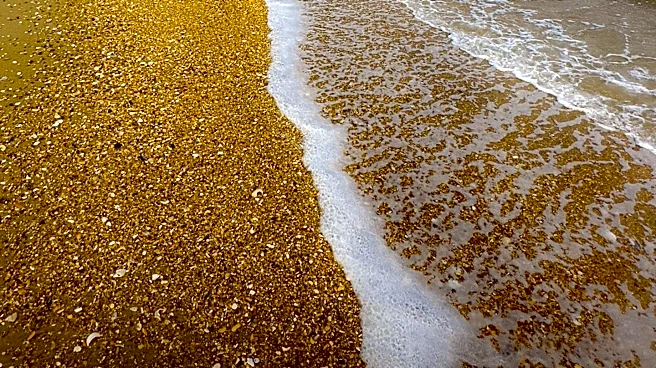
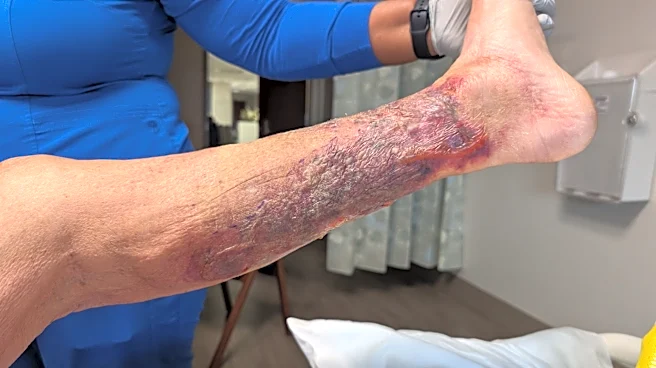
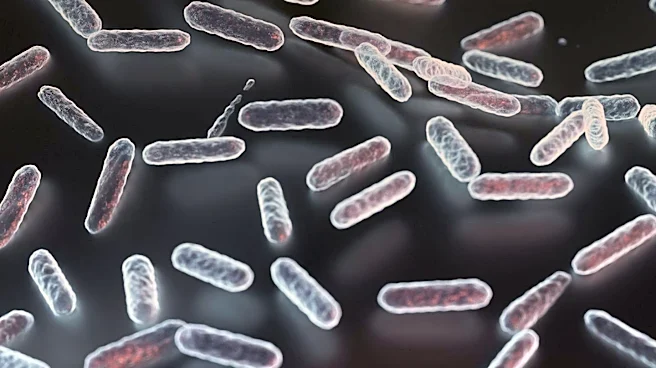
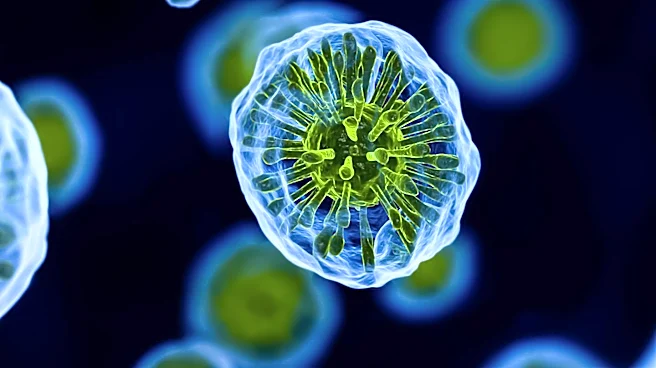
Health officials in Louisiana and Florida are cautioning beachgoers about an increase in infections caused by Vibrio vulnificus, a flesh-eating bacteria thriving in coastal waters. This bacterium, which can be fatal in up to 20% of cases, enters the body
through breaks in the skin or by consuming raw or undercooked shellfish. The Gulf Coast, with its ideal mix of salt and heat, provides a conducive environment for the bacteria. Louisiana has reported nine cases and five deaths this year, while Florida has seen 14 cases and two deaths. The Centers for Disease Control and Prevention (CDC) notes that infections are more common from May to October and are exacerbated by climate change, which is causing the bacteria to spread northward.
Why It's Important?
The rise in Vibrio vulnificus infections poses significant public health concerns, particularly for vulnerable populations such as the elderly and those with weakened immune systems. The economic impact on the Gulf Coast's tourism and seafood industries could be substantial, as fear of infection may deter visitors and affect seafood consumption. The situation underscores the broader implications of climate change on public health, as warming waters facilitate the spread of harmful bacteria. This trend may necessitate increased healthcare resources and public health interventions to manage and prevent infections.
What's Next?
Health officials are likely to continue monitoring the situation closely, issuing advisories and guidelines to protect the public. There may be increased efforts to educate beachgoers and seafood consumers about the risks and preventive measures, such as avoiding exposure to brackish water with open wounds and ensuring shellfish are thoroughly cooked. Policymakers might also consider implementing stricter regulations on seafood safety and investing in research to better understand and mitigate the effects of climate change on vector-borne diseases.