




What's Happening?
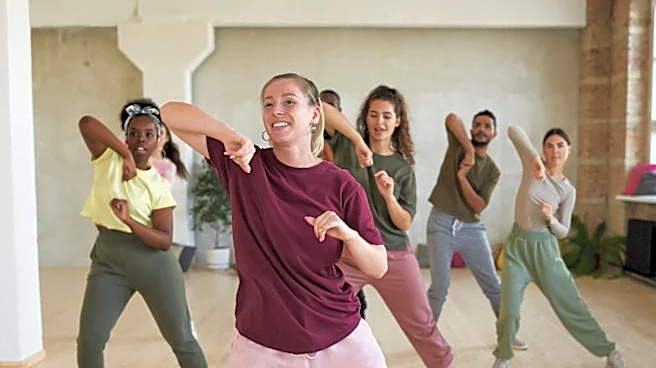
K-12 dance educators are frequently teaching in shared, multipurpose spaces rather than dedicated studios, adapting to various environments like gyms, cafeterias, classrooms, and auditoriums. This reality often involves navigating frequent room changes
to accommodate school assemblies, indoor lunches, and other events. Teachers are employing strategies such as creativity, agility, clear communication, and team-mindedness to thrive in these less-than-ideal teaching spaces. Examples include reconfiguring classroom furniture, utilizing outdoor areas, and establishing routines for moving desks. Educators like Shawn Hawkins from Elmhurst United Middle School in Oakland, California, and Courtney McCuen in Vancouver, Washington, emphasize the importance of adaptability and involving students in problem-solving to make the most of available spaces. The challenge extends to shared spaces with other arts programs, clubs, and athletics, necessitating proactive communication and boundary setting.
Why It's Important?
The widespread use of multipurpose rooms for K-12 dance education highlights a significant resource constraint within the U.S. educational system, particularly in arts programs. This situation impacts the quality and consistency of dance instruction, as teachers must constantly adjust their pedagogical approaches to suit diverse and often suboptimal environments. The reliance on adaptability and creative solutions from individual educators underscores a systemic issue where dedicated facilities for arts education are often deprioritized. This can affect student engagement and the perception of dance as a legitimate academic discipline. Furthermore, the need for clear communication and negotiation among various school programs for shared spaces can lead to administrative burdens and potential conflicts, diverting focus from core educational activities. The ability of teachers to foster creativity and problem-solving in students, even in challenging environments, demonstrates resilience but also points to an ongoing need for better infrastructure and support for arts education.
What's Next?
To address the challenges of teaching dance in multipurpose spaces, K-12 educators will likely continue to refine their adaptive strategies, focusing on portable toolkits, flexible lesson plans, and creative use of available resources. Schools may need to develop more structured scheduling and communication protocols to manage shared spaces effectively, potentially involving administrators in enforcing policies that prioritize certain activities during contract hours, as noted by Lehua Estrada, a dance teacher at Judge Memorial Catholic High School in Salt Lake City, Utah. Building stronger relationships with school staff, such as custodians and librarians, will remain crucial for securing and preparing spaces. The ongoing need for professional development in adaptable teaching methods for arts educators is also anticipated. Long-term solutions could involve advocating for increased funding and dedicated facilities for arts programs, though immediate efforts will likely center on optimizing existing resources and fostering a culture of flexibility and collaboration within schools.
Beyond the Headlines
The prevalence of multipurpose rooms in K-12 dance education reflects broader societal and institutional attitudes towards arts funding and infrastructure in the U.S. It raises questions about equitable access to quality arts education, as students in schools with limited resources may not experience the same learning environment as those with dedicated studios. This situation can inadvertently reinforce the idea that arts are secondary to core academic subjects, impacting student interest and career pathways in creative fields. Ethically, it challenges educators to maintain high standards of instruction and safety in environments not designed for dance, requiring innovative approaches to curriculum delivery. Culturally, the adaptability demonstrated by these teachers fosters resilience and resourcefulness, skills that extend beyond the dance floor. However, it also highlights a systemic underinvestment that could limit the full potential of arts education to contribute to holistic student development and cultural enrichment.