





What's Happening?
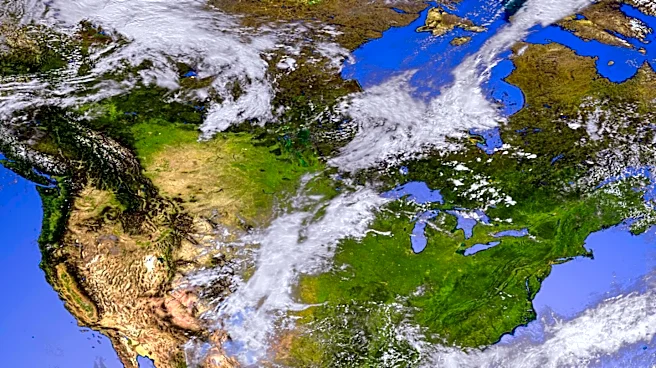
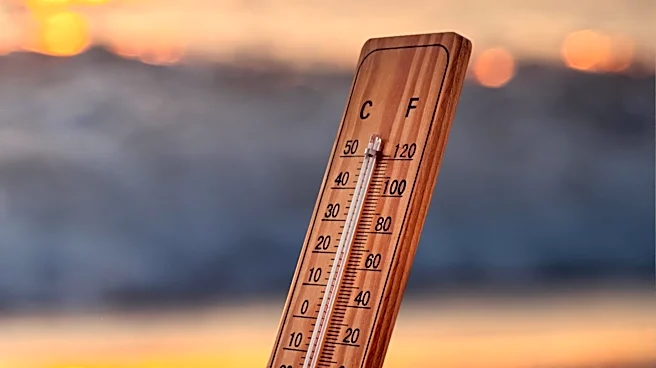
July 2026 has been recorded as the warmest month in U.S. history, with an average temperature of 76.9°F, surpassing previous records set in July 1936 and July 2012. The contiguous United States experienced widespread above-average temperatures, with all
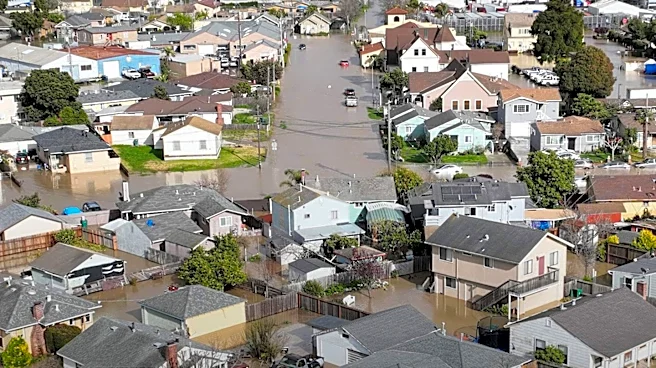
states ranking in the warmest third of their July temperature records. Despite below-average precipitation overall, several regions experienced heavy rainfall and flash flooding events.
Why It's Important?
The record-breaking temperatures in July 2026 highlight the ongoing impact of climate change on weather patterns in the United States. The extreme heat and associated weather events underscore the need for urgent action to address climate change and its effects on public health, agriculture, and infrastructure. This development may influence climate policy and drive efforts to mitigate the impact of extreme weather.
What's Next?
As the effects of climate change continue to manifest, there may be increased pressure on policymakers to implement measures to reduce greenhouse gas emissions and enhance climate resilience. This could lead to new regulations and initiatives aimed at addressing the root causes of climate change and protecting vulnerable communities.
Beyond the Headlines
The record temperatures in July 2026 serve as a stark reminder of the long-term challenges posed by climate change. They highlight the need for a comprehensive approach to climate action that includes both mitigation and adaptation strategies to safeguard the environment and public well-being.