
What's Happening?
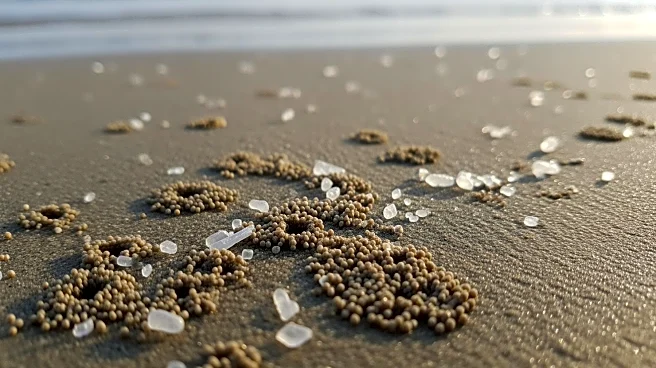
A study led by the University of Exeter has discovered that fiddler crabs play a crucial role in breaking down microplastic particles in polluted environments. Conducted in the Gulf of Urabá, Colombia,
the research observed these crabs ingesting significant amounts of microplastics from the sediment. The crabs can break down these plastics within days, although this process may release harmful nanoplastics into their tissues and the broader food chain. The study highlights the crabs' ability to adapt to high levels of plastic pollution, raising questions about the ecological impact and the potential for these organisms to influence the fate of plastics in marine environments.
Why It's Important?
This discovery sheds light on the ecological role of fiddler crabs in managing plastic pollution, a growing environmental concern. Understanding how these crabs process microplastics could inform strategies to mitigate the impact of plastic waste in marine ecosystems. The findings also underscore the resilience of certain species to environmental stressors, offering insights into how wildlife adapts to human-induced changes. This research could lead to broader ecological studies and influence policies aimed at reducing plastic pollution and protecting marine biodiversity.